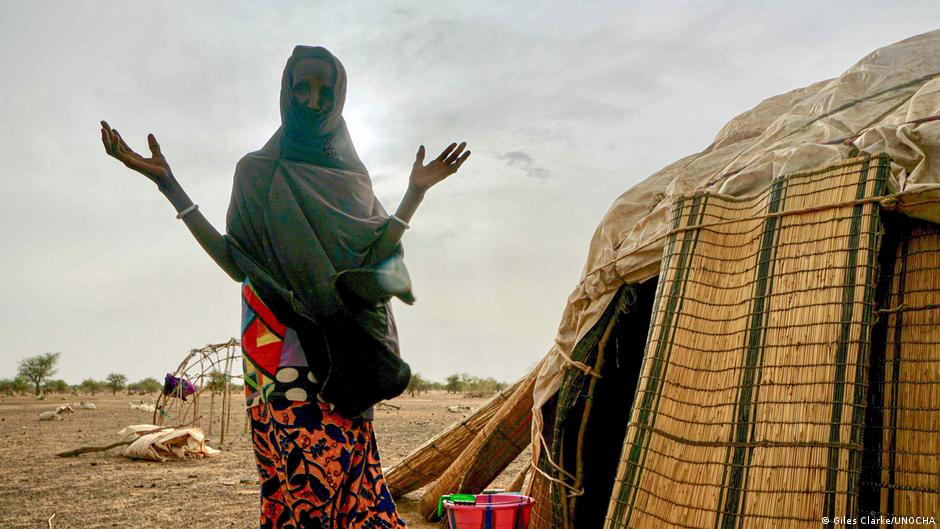
Sahel crisis: rising hunger demands urgent action
In the Sahel, one out of every five residents faced hunger last year, according to the latest regional assessment on food security and nutrition. This alarming trend reflects a 15-year pattern of worsening conditions that shows no signs of abating.
Fanta Touré Diop, regional representative for West and Central Africa at the international humanitarian organization Action Against Hunger, emphasized the need for coordinated interventions in northern Mali during a recent briefing.
Root causes of the Sahel’s food insecurity
What is driving this deepening crisis?
Touré Diop highlighted multiple converging factors. First, persistent security challenges have severely restricted movement and access to agricultural land, particularly in northern Mali. The resulting displacement has created large populations entirely dependent on external assistance.
Second, climate change has intensified droughts and erratic rainfall patterns, directly undermining crop yields and livestock productivity across the Sahel. Third, a sharp decline in humanitarian funding has left response agencies unable to scale up lifesaving operations to match growing needs.
Northern Mali: ground zero for hunger
The security crisis in northern Mali has pushed thousands of families southward into cities like Bamako and Sikasso, where they face both new vulnerabilities and the lingering effects of prolonged food shortages. The region now hosts some of the highest concentrations of internally displaced persons in West Africa, with food insecurity rates matching the most critical levels recorded in recent years.
“We are witnessing a humanitarian catastrophe that demands immediate, collective action,” Touré Diop stated. “Governments, international organizations, local civil society and the United Nations must work in unison to deliver targeted support to communities caught in this perfect storm of conflict, climate stress and funding gaps.”
Financial shortfall threatens millions
Despite the escalating needs, the funding gap remains staggering. Recent figures indicate that 57 million people across West and Central Africa are currently food insecure, including 24.3 million in the Sahel alone. To address this emergency, regional actors require $3.7 billion, yet only 21% of this amount has been secured so far.
The consequences extend beyond immediate hunger. An estimated 11.3 million children and women are at risk of malnutrition across the region, with long-term health and developmental repercussions for an entire generation.
Pathways to resilience
While emergency aid remains critical, experts stress the need for structural solutions. “Political leadership must take the lead,” Touré Diop emphasized. “Governments need reliable data to plan effectively, and must prioritize agricultural innovation, sustainable land management and social protection systems that build household resilience against future shocks.”
The Sahel’s food security crisis is not merely a humanitarian issue—it is a development emergency that threatens regional stability. Without urgent, sustained investment and coordinated action, the region risks deeper instability and the loss of a generation to hunger.
You may also like
As donor fatigue spreads, can Benin’s €544,042 UNAIDS pledge keep the HIV response on track?
Who pays the price when Burkina Faso’s public payroll contracts? Households weigh the cost of 1,917 fewer agents
Libya pushes for direct Tripoli-Yaoundé flights as Cameroon sets up working groups
JNIM seizes three Burkinabè positions in a single day as Traoré’s security record faces hard questions
Chad condemns Ennedi-East airstrikes at un general assembly, warns of retaliation