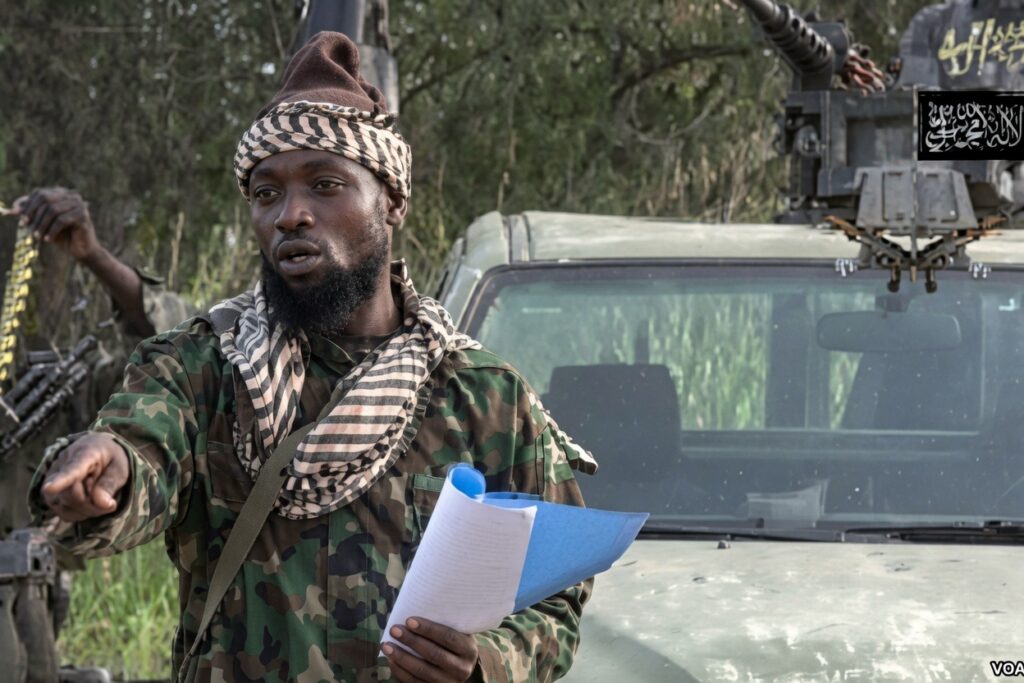
What happens when a Russian paramilitary convoy rolls through hostile territory without local backup? That question now hangs over central Mali after a deadly ambush on September 28, 2026, when fighters from the Group for the Support of Islam and Muslims (JNIM) struck an Africa Corps column north of Niono. The attack left casualties among the Russian contingent and raised hard questions about the security architecture in the Sahel.
A morning attack that shattered the calm near Tiemaba and Wewo
Late that Monday morning, a military convoy carrying members of Africa Corps — the Russian paramilitary structure that took over from Wagner in the Sahel — drove into a carefully laid trap. The ambush unfolded between the villages of Tiemaba and Wewo, north of Niono in the Ségou region. The assault was swift and deadly, leaving both human and material losses within the Russian ranks.
Why Niono remains a jihadist stronghold
Niono has long been a zone of influence for Katiba Macina, one of the most active components of JNIM, the al-Qaeda-affiliated jihadist alliance in the region. For years, this area has been a flashpoint, with armed groups operating freely across the countryside despite repeated military operations.
The convoy’s unusual composition raises eyebrows
What set this particular convoy apart was its makeup: it was composed almost entirely of Russian fighters. This differs sharply from the usual pattern on the ground, where Africa Corps units typically patrol alongside Malian Armed Forces (FAMA) soldiers. That deviation may have made the convoy more predictable — and more vulnerable.
Conflicting casualty figures and a swift claim of responsibility
In a statement released shortly after the attack, JNIM claimed responsibility, saying it had killed or wounded at least seven Russian personnel and seized a significant amount of military equipment before withdrawing. Local sources in the area, however, reported at least four Russian fighters killed in the clashes. Neither the Malian General Staff nor Africa Corps officials have issued an official toll for this specific incident.
The following day, the Malian army announced a series of targeted airstrikes in nearby areas, including near Dioura, aimed at identified terrorist positions.
What the ambush reveals about Russia’s footprint in the Sahel
The attack underscores a strategic dilemma: Africa Corps operates in a complex environment where local knowledge and coordination with Malian forces are critical. When Russian units move without that integration, they become easier targets for jihadist groups that know the terrain intimately. For now, the ambush near Niono stands as a stark reminder that the fight against jihadism in central Mali is far from over — and that even well-armed foreign contingents are not immune to the insurgency’s reach.
You may also like
Will Mali’s 73.6 million dollar funding gap decide the fate of millions by 2027?
Guinea-Bissau’s December 2026 vote: can Embaló return legally, and can the result ever be trusted?
Can a $20 million bounty take down Ukraine’s drone war architect?
Gabon’s UN funding in 2025: can 10.5 billion CFA francs deliver real change?
Can Tinubu’s Lagos homecoming before Nigeria’s 66th independence day reshape his 2027 path?