Three years after the coup, human rights under scrutiny in Niger
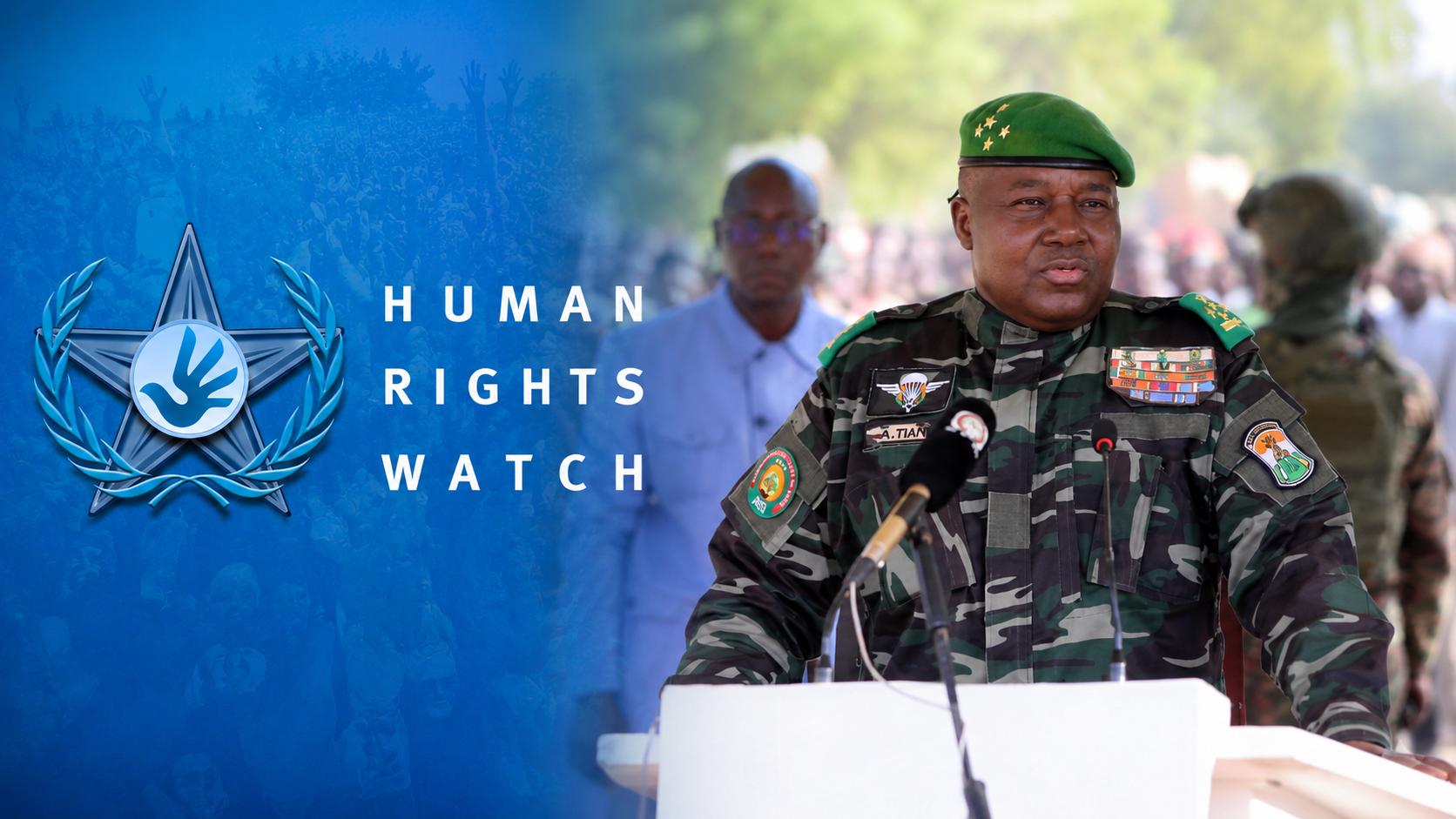
As Niger marks three years since the military takeover led by General Abdourahamane Tiani, a scathing assessment of human rights conditions has emerged. A critical report highlights a systematic erosion of democratic institutions, arbitrary detentions, and a deepening political crisis that has left the nation increasingly isolated.
From civilian rule to military dominance
On July 26, 2023, democratically elected President Mohamed Bazoum was forcibly removed from power by a military junta. Today, the findings underscore how the National Council for the Safeguard of the Homeland (CNSP) has systematically dismantled democratic safeguards to consolidate authoritarian control. Under the pretext of national security and sovereignty, civic space has been severely restricted, judicial recourse has been obstructed, and political opposition has been effectively neutralized.
Judicial manipulation and silencing dissent
The continued detention of former President Mohamed Bazoum and his wife stands as a stark reminder of the regime’s unyielding grip on power. Despite international appeals and calls from UN working groups demanding their immediate release, military authorities remain unmoved. This pattern extends to civil society, exemplified by the December 2024 arrest of Moussa Tiangari, a prominent human rights advocate. While his legal team sought his release within the legal 12-month provisional detention period for terrorism-related cases, authorities abruptly amended the penal code to extend this duration to four years—a move critics condemn as a retroactive judicial overreach.
Press freedom and dissent under siege
The deterioration of public freedoms has intensified across multiple fronts:
- Political and labor suppression: All political parties have been dissolved, independent trade unions and NGOs have had their operations suspended, and critical voices have been systematically silenced.
- Media crackdowns: Leveraging an expanded cybercrime law, the regime has intensified surveillance and censorship. In October, six journalists in Niamey were detained for merely publicizing a press conference invitation.
- Targeting exiles: The military government has escalated its campaign against opposition figures abroad, including revoking citizenship as seen in the case of Mariama Djibrine, a regional opposition leader.
Societal regression and international isolation
In March, the regime further tightened its grip by amending the penal code to impose sentences of 5 to 20 years for same-sex relations and related support activities. This punitive measure has already triggered arrests and disrupted vital public health initiatives. Meanwhile, Niamey’s foreign policy has shifted toward deliberate disengagement, including withdrawal from the Economic Community of West African States (ECOWAS) and the International Criminal Court (ICC) in June. Analysts warn that this withdrawal strips Nigerien citizens of legal recourse against abuses, particularly in volatile regions like Tillabéri, where civilian casualties persist amid ongoing military operations.
As the junta entrenches its authority, human rights organizations urge the global community and Niger’s international partners to abandon passive diplomacy. They call for decisive action to secure the release of political prisoners and restore a credible pathway toward civilian governance.