The United Nations has joined local human rights groups in demanding an urgent and transparent investigation into credible reports of summary executions and torture targeting Malian soldiers captured in the Niger, Burkina Faso, and northern Mali regions. These alleged war crimes, which may amount to violations of international humanitarian law, have unfolded amid a complex battlefield involving Malian troops, Russian-affiliated instructors, and armed factions operating across the Sahel.
alleged atrocities against captured soldiers spark global outrage
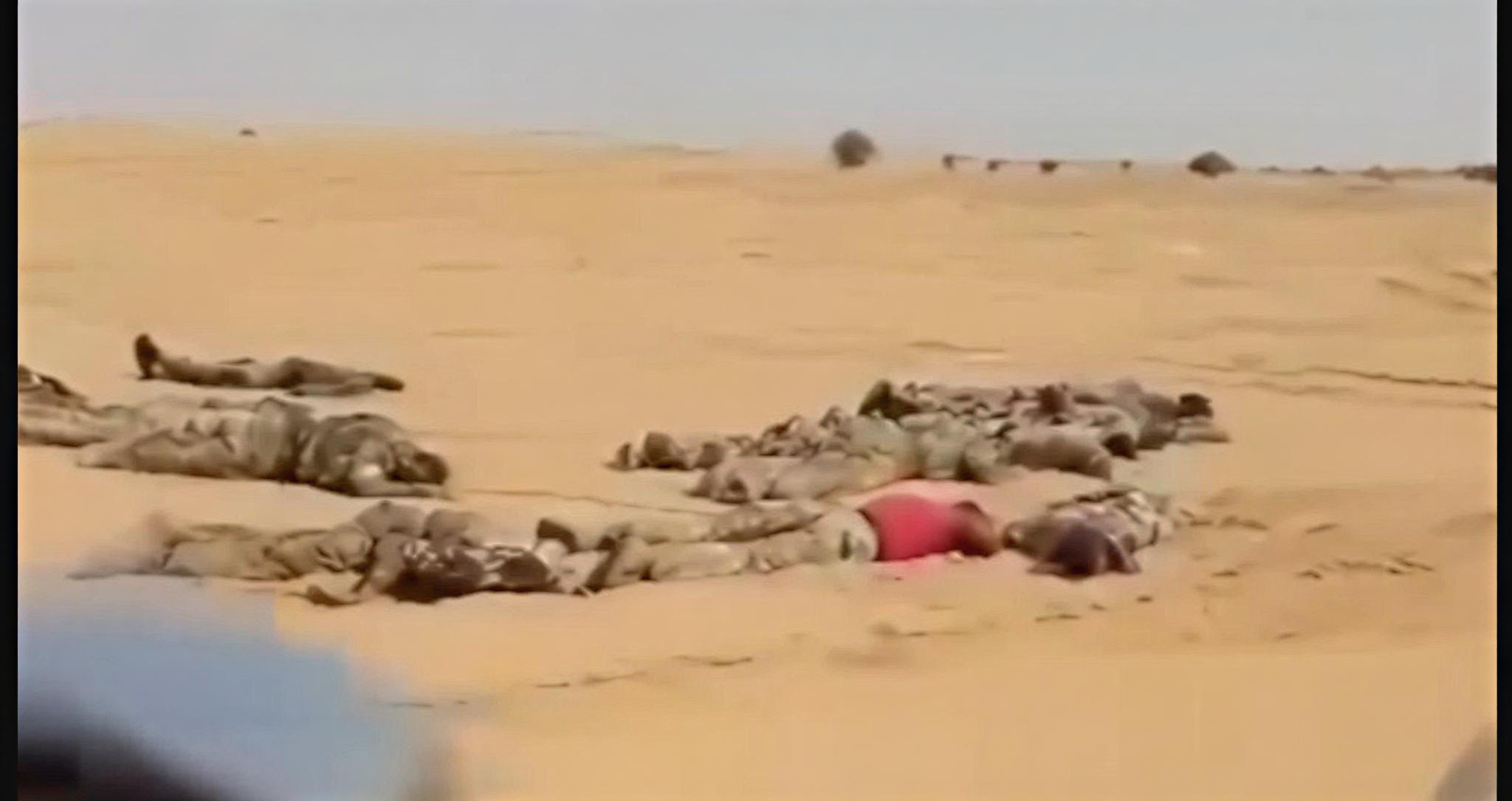
Following intense clashes in northern Mali, disturbing accounts and graphic videos circulating online have exposed the horrific treatment of soldiers from the Malian Armed Forces (FAMa). According to multiple sources, dozens of prisoners—taken during ambushes on military convoys—were subjected to torture and executed after surrendering, rendering them hors de combat. Such acts, if confirmed, would constitute grave breaches of the Geneva Conventions.
The Office of the UN High Commissioner for Human Rights has strongly condemned the reported abuses, labeling them potential war crimes. It has called for a prompt, thorough, and impartial inquiry to identify those responsible and bring them to justice. Failure to act risks normalizing impunity and fueling further instability in the region.
the transitional government’s silence raises serious concerns
Despite mounting pressure from international bodies and civil society, the military-led government in Bamako has yet to issue an official statement regarding the allegations. This prolonged silence has fueled speculation and deepened public distrust, especially among the families of the victims and local activists.
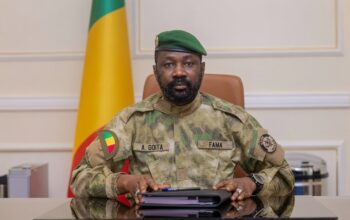
The junta, led by Colonel Assimi Goïta, faces a strategic dilemma. Acknowledging such severe setbacks—particularly when they involve the maltreatment or killing of its own soldiers—could undermine the regime’s narrative of military progress and bolstered security capacity. Yet, ignoring the crisis risks eroding confidence within the armed forces and alienating key allies who demand accountability.
a pattern of abuse extends to civilians across the Sahel
The call for an investigation comes at a time when Mali and its allies—including Russian units reorganized under the so-called “Africa Corps”—are already under scrutiny for widespread human rights violations. Reports from the UN and independent watchdogs have documented repeated abuses during counterterrorism operations:
- Civilian massacres: The 2022 tragedy in Moura, where hundreds of civilians were reportedly killed, remains one of the most haunting examples of alleged state-sponsored violence.
- Arbitrary arrests and torture: Residents in Mopti, Gao, and Ménaka have shared accounts of unlawful detentions, looting, and torture during joint military and foreign-assisted operations.
- Targeted persecution: Pastoral communities, particularly the Fulani and Tuareg, have been disproportionately affected, often accused without evidence of collaborating with insurgents or jihadist groups.
This climate of unchecked violence and the consistent failure to prosecute perpetrators have fostered a culture of impunity that not only emboldens armed groups but also fuels radicalization and recruitment among disaffected youth.
the Sahel’s cycle of impunity deepens
The withdrawal of international peacekeeping forces—particularly the former MINUSMA mission—has left a dangerous information void in the conflict zone. In this increasingly closed security environment, both civilians and captured soldiers are paying the heaviest price. Analysts warn that without independent oversight or credible investigations, the fight against terrorism risks descending into a cycle of retributive violence in which all sides disregard fundamental humanitarian principles.
The joint demand for accountability by local NGOs and the UN represents a pivotal moment in Mali’s ongoing security crisis. By insisting on a full accounting of the soldiers’ fate, the international community is sending a clear message: justice cannot be selective. The path forward remains uncertain. Will the transitional authorities break their silence and launch transparent proceedings, or will they continue to turn a blind eye—risking further isolation and perpetuating a cycle of atrocities?