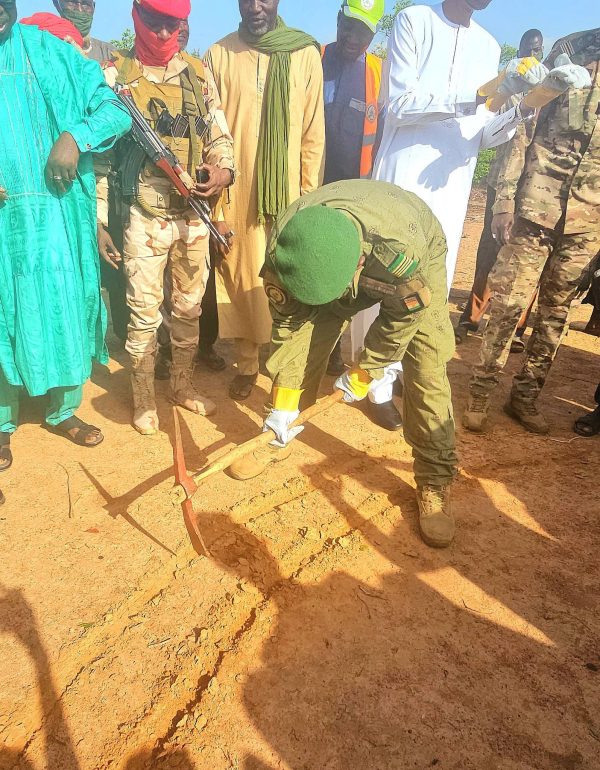
Gaya, June 5, 2026 — In a bid to combat land degradation and strengthen pastoral livelihoods, the urban commune of Gaya has initiated the restoration of 500 hectares of degraded pastoral lands. The project, funded by the Integrated Urban Development and Multisectoral Resilience Project (PIDUREM), marks a significant step toward revitalizing fragile ecosystems in the region.
Under the early morning sun, the Prefect of Gaya Department led the groundbreaking ceremony, symbolically breaking the earth with a pickaxe. The event drew key figures including the commune’s acting administrator, the Secretary-General of the prefecture, representatives from the canton leadership, PIDUREM’s regional coordinator, and local environmental officials. Ten partner NGOs, local village leaders, and community members also gathered to witness the launch.
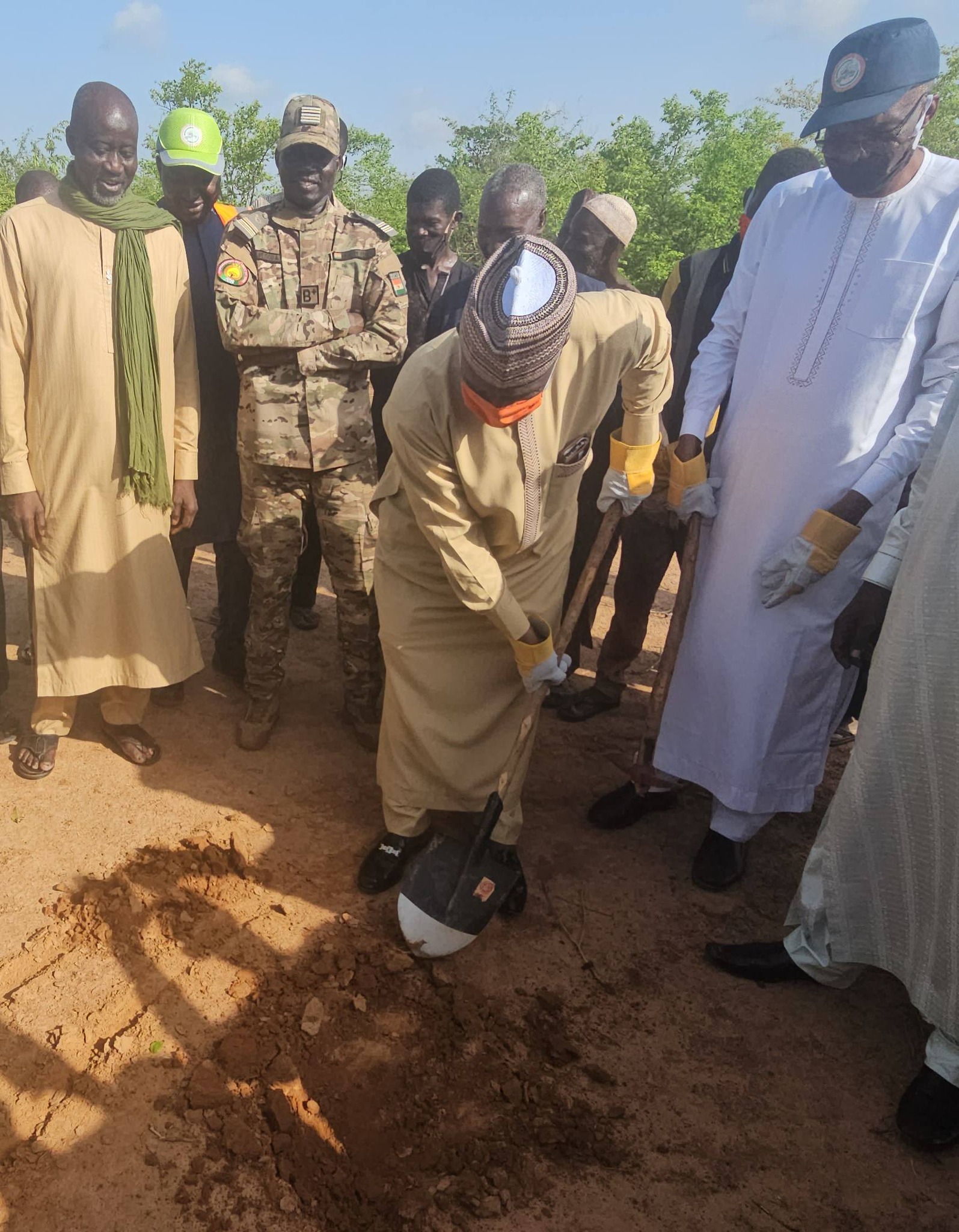
Reviving degraded lands for pastoral resilience
The PIDUREM-funded initiative targets severely degraded pastoral lands, aiming to restore soil fertility, prevent erosion, and enhance land capacity for livestock. The project includes comprehensive measures such as reforestation efforts, installation of erosion control systems, construction of bypass structures, and rehabilitation of access roads to improve pastoral mobility and monitoring.
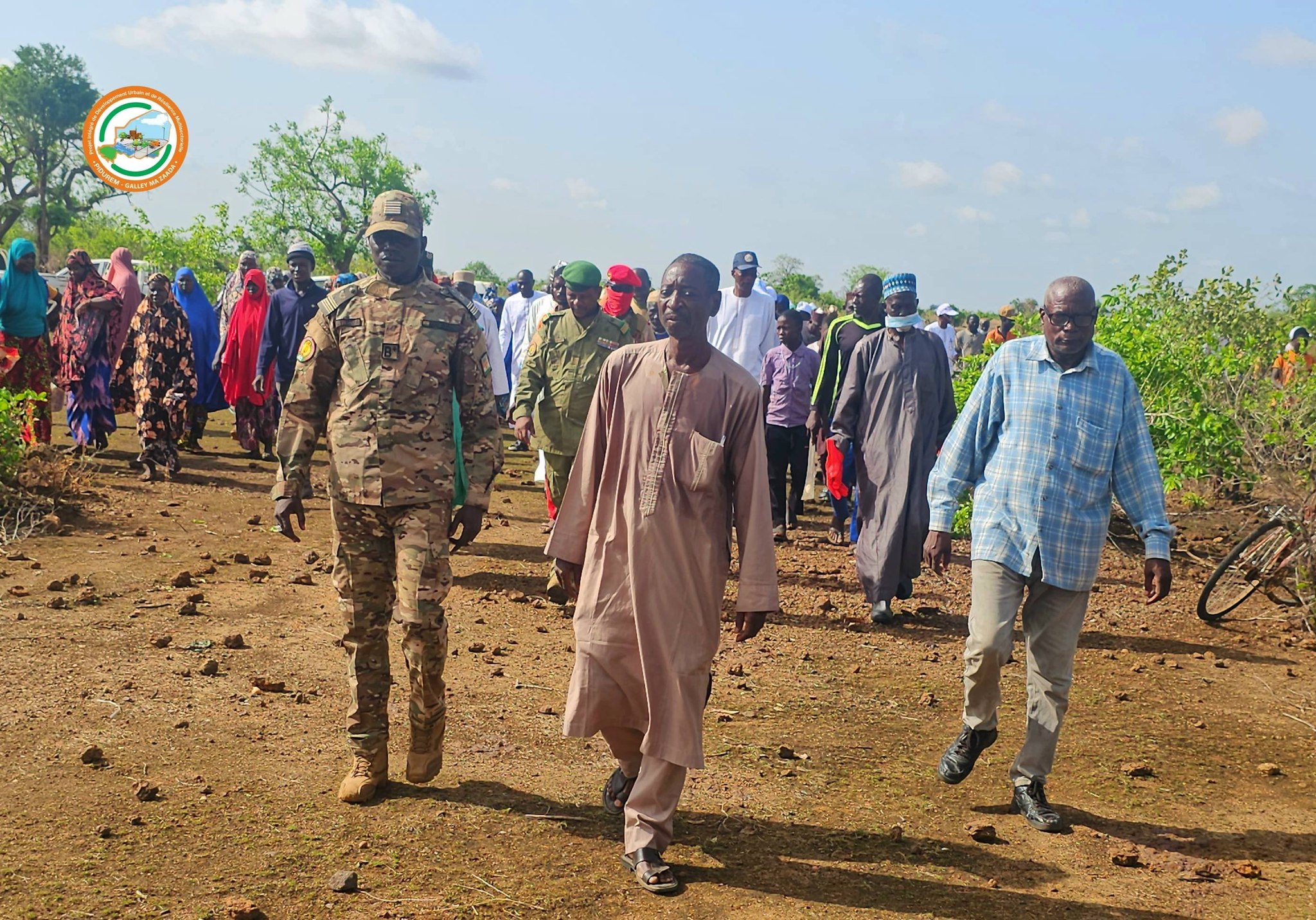
Economic opportunities and climate resilience
Officials emphasize that these interventions will bolster community resilience against climate change impacts while safeguarding natural resources. The PIDUREM regional coordinator highlighted that the project will generate temporary employment for nearby residents, providing immediate economic benefits during implementation. The initiative aligns with broader PIDUREM efforts to reduce land degradation, enhance food security, and mitigate farmer-herder conflicts in the region. A technical and environmental monitoring system will track progress and refine approaches based on real-time assessments.
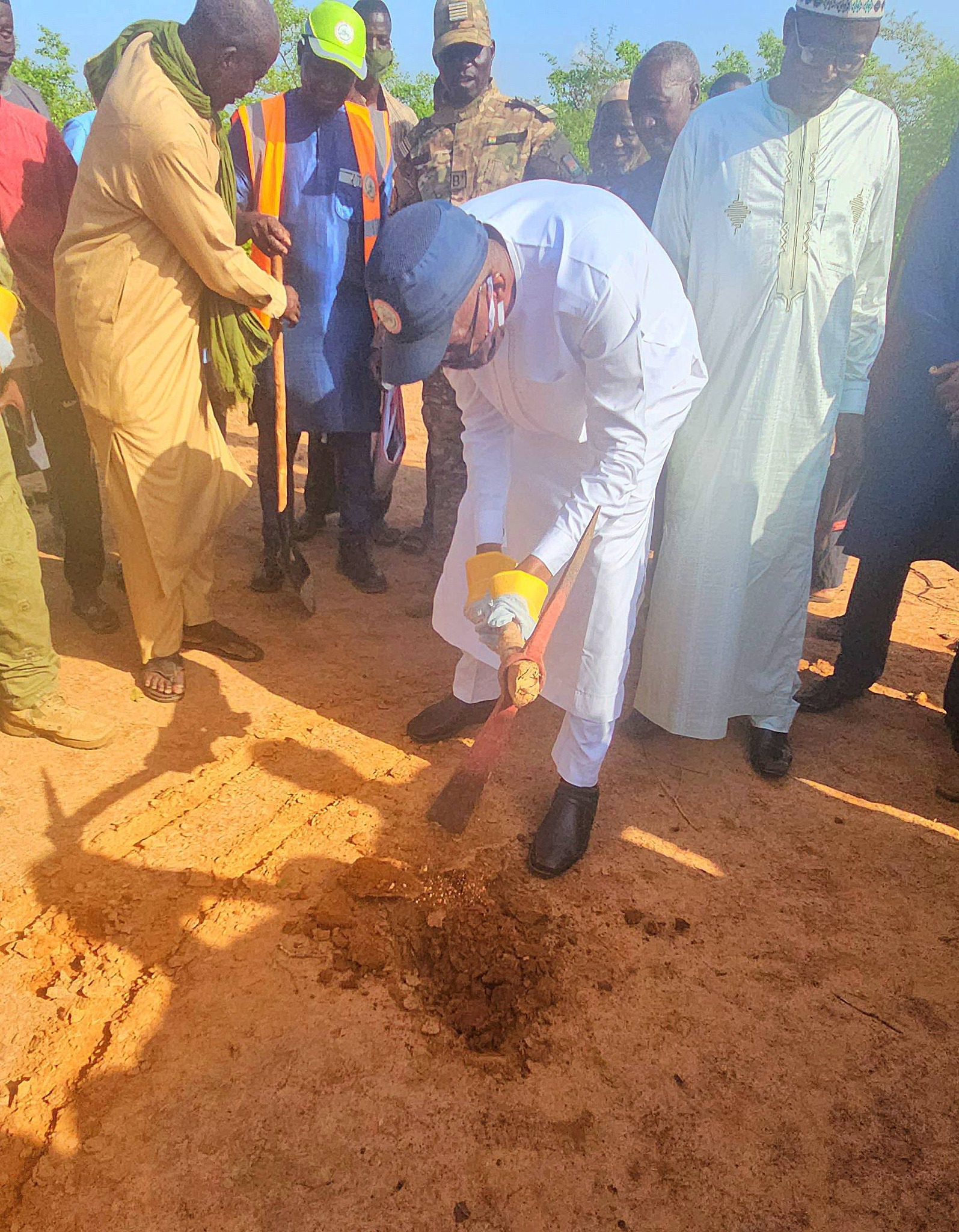
Community benefits and NGO involvement
The project directly benefits pastoral households and livestock herders in neighboring villages, with restored and secured grazing routes. Partner NGOs are playing a crucial role in implementation, conducting awareness campaigns to promote sustainable land management and ensuring the upkeep of completed structures. Work has begun promptly, with the first phase of land rehabilitation and planting scheduled for the coming weeks. Regular evaluations and progress reports will be produced to ensure transparency and inform future funding releases.