Gabon and Monaco forge green alliance for climate action
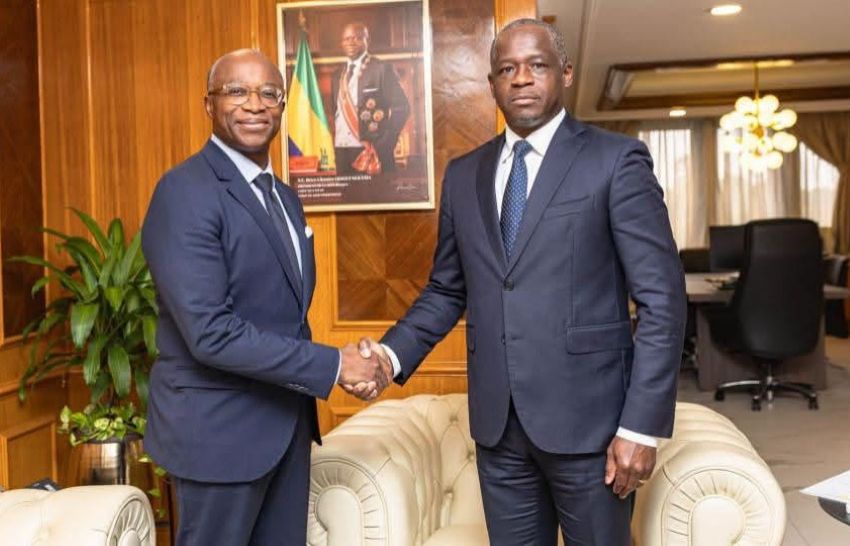
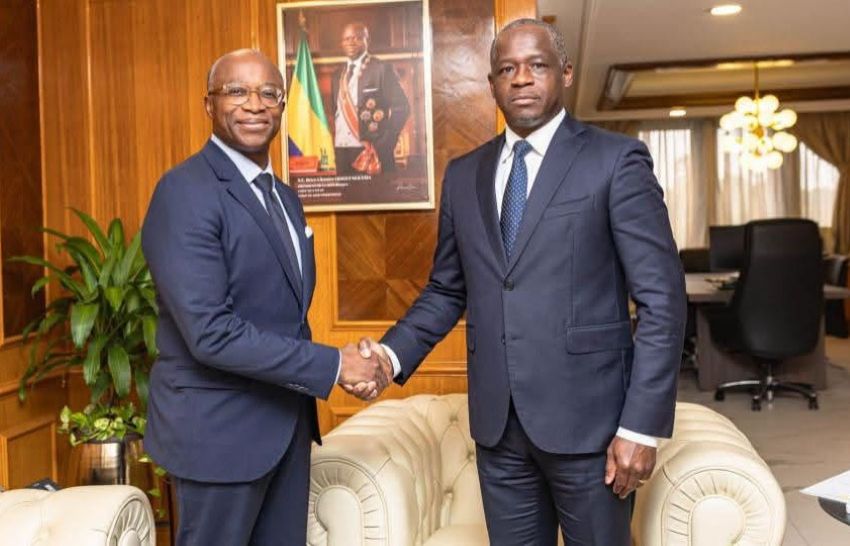
Libreville, August 9, 2026 — Gabon is redefining its approach to environmental diplomacy by positioning its natural heritage as a cornerstone for climate action, economic growth, and international partnerships. The August 5 meeting between Vice-President Hermann Immongault and a delegation from the Prince Albert II of Monaco Foundation marks a pivotal moment in this strategy.
The discussions, which took place against the backdrop of accelerating climate change, highlighted Gabon’s ambition to convert its vast forests, marine ecosystems, and exceptional biodiversity into strategic assets. By leveraging these resources, Libreville aims to secure international funding, protection mechanisms, and sustainable development initiatives.
Led by Charles Oula Siehe, Special Advisor for Africa at the Prince Albert II Foundation, the Monégasque delegation engaged in talks with Hermann Immongault and Aimé Martial Massamba, Gabon’s Minister of Fisheries, Sea, and Blue Economy. The agenda focused on expanding the Foundation’s footprint in Gabon and deepening cooperation across key sectors.
The timing of these negotiations is significant. With the Foundation celebrating its 20th anniversary in September, its renewed focus on the Congo Basin—one of the world’s most critical carbon sinks and biodiversity hotspots—aligns perfectly with Gabon’s priorities. The two nations are exploring collaboration in forest conservation, biodiversity protection, carbon financing mechanisms, and the development of a sustainable blue economy.
The strategic value of Gabon’s natural capital
Gabon’s vast forests and marine resources are not just ecological treasures; they represent a powerful bargaining chip in international climate negotiations. As global demand for nature-based solutions grows, the country stands at a crossroads: it can either passively preserve its ecosystems or actively monetize their preservation through transparent, credible financing mechanisms.
For the blue economy, this means balancing sustainable fisheries, marine conservation, and economic benefits for coastal communities. For forests, it involves transforming conservation efforts into revenue streams through carbon credits, provided these systems are designed to ensure fair compensation and accountability.
From conservation to diplomatic leverage
This partnership signals a shift in Gabon’s environmental diplomacy. No longer content with viewing nature protection as a mere ecological obligation, Libreville is positioning it as a driver of development, international cooperation, and national prestige. The challenge now lies in turning these high-level discussions into actionable projects—ones that deliver funded initiatives, shared expertise, job creation, and measurable ecosystem protection.
For both Gabon and Monaco, the alignment is mutually beneficial. The Foundation brings decades of environmental expertise, global networks, and the ability to mobilize resources around pressing climate issues. Gabon, in turn, offers a compelling case study in the Congo Basin, where the fate of its ecosystems directly impacts global climate stability.
The August 5 meeting was more than a diplomatic courtesy; it was a strategic maneuver in a broader campaign. As the world increasingly views forests, oceans, and biodiversity as strategic assets, Gabon’s ability to negotiate partnerships will determine whether its natural wealth remains an untapped resource or becomes a catalyst for sustainable development. If successful, this collaboration could redefine Gabon’s role on the global stage—not just as a guardian of nature, but as a leader in climate innovation and green diplomacy.
You may also like
Can Ibrahim Traoré’s 300 armored vehicles claim survive scrutiny? Inside Faso Armored’s made-in-Burkina Faso gamble
Can Washington force third-country deportations? Ivory Coast’s refusal raises the stakes
Will Benin’s AEO exporters finally crack the Chinese market?
Northern Niger’s unanswered question: can Tiani’s government deliver water and power where it matters most?
Can Air Sénégal survive the Interpol smuggling probe? The stakes for crew, passengers and the airline’s future