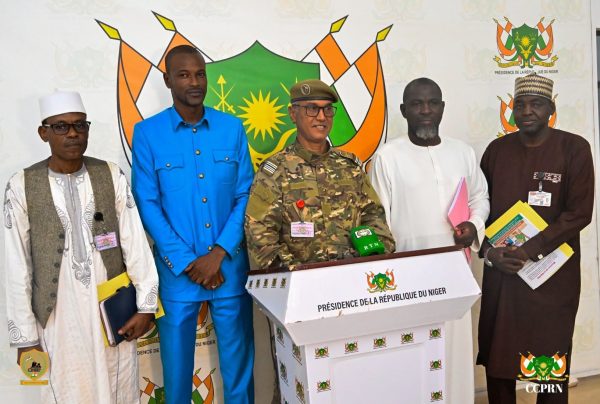
In Niamey, the tide has turned against financial wrongdoers. On August 5, 2026, a high-profile ceremony unfolded at the Presidential Palace, attended by top officials from the Supreme Council. The occasion marked the unveiling of the first major financial report from the « Clean Hands » initiative, spearheaded by the COLDEFF—a specialized body tasked with combating financial delinquency and reclaiming misappropriated assets for the public good.
The figures, stark and unyielding, have sent ripples through ministries and boardrooms across the capital. Over 74 billion West African CFA francs have been reclaimed and deposited directly into the national treasury. This staggering recovery represents a 12 billion FCFA increase in just twelve months. Notably, this sum does not account for seized real estate, vehicle fleets, or other movable assets forcibly liquidated from recalcitrant debtors trapped by the initiative’s relentless pursuit.
Financial penalties over incarceration: the CNSP’s guiding principle
Addressing the COLDEFF delegation, the Head of State underscored the government’s resolve. Praising the investigators’ perseverance, the administration remains steadfast in its approach, rejecting calls for punitive measures that could destabilize national stability. The strategy is clear: fiscal punishment over imprisonment, with the national purse as the primary target.
« Our objective is not to burden our prisons. Justice here is fiscal. The wallet must bear the brunt to heal the nation’s wounds. »
While maintaining a firm stance, the government is careful to uphold legal decorum, ensuring international partners remain reassured during these economically challenging times. Defendants are given no respite—every last franc must be repaid, though whispers suggest dignity will be preserved for those who comply.
Yet, a pressing question lingers in the minds of Niamey’s citizens and foreign observers alike: where will this windfall be directed? In a nation grappling with climate adversity and developmental hurdles, the public is eager to see whether these recovered billions will translate into tangible improvements for the people of Niger. As the COLDEFF intensifies its crackdown on illicit gains, the promise of unwavering pursuit resonates across the capital.
You may also like
Will the UK’s new transit visa rules isolate Senegal from its key global routes?
Will the AES ever launch its own currency? The question Traoré keeps leaving unanswered
Can Ibrahim Traoré’s 300 armored vehicles claim survive scrutiny? Inside Faso Armored’s made-in-Burkina Faso gamble
Can Washington force third-country deportations? Ivory Coast’s refusal raises the stakes
Will Benin’s AEO exporters finally crack the Chinese market?