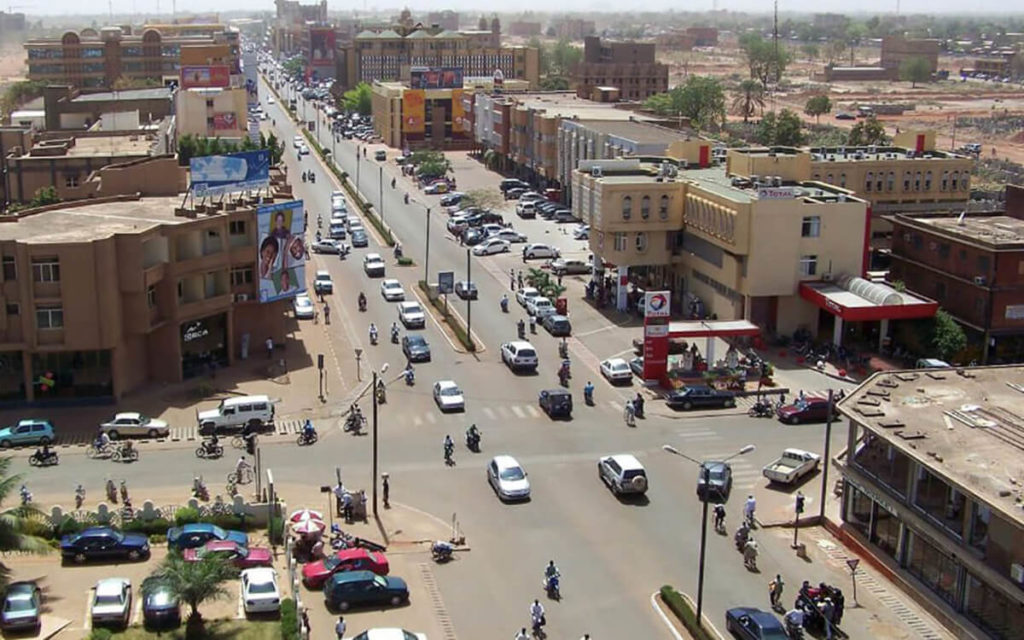
In a decisive move to reshape its urban landscape, the government of Burkina Faso, led by Captain Ibrahim Traoré, Head of State, has approved a landmark decree redefining the criteria for classifying localities as towns. This decision, adopted during a Council of Ministers meeting on June 4, 2026, addresses the rapid urbanization, shifting territorial dynamics, and pressing challenges—security, demographic shifts, and socio-economic transformations—that are reshaping the nation’s urban spaces.
Redefining urban status in Burkina Faso
A locality must now meet specific benchmarks to earn the status of a town under the new decree. These include:
- A continuously built-up area, ensuring no gaps in urban development;
- A minimum population of 15,000 residents, marking a significant threshold for urban recognition;
- Access to a functional potable water supply network, essential for public health and daily living;
- Reliable electricity access to support residential, commercial, and industrial activities;
- The presence of a well-structured transport network, facilitating movement and commerce;
- A dominant presence of secondary and tertiary sector activities, signaling economic diversification.
Beyond these criteria, the decree also grants town status to:
- All provincial capitals, regardless of their population size;
- All prefecture-level commune capitals, even those with smaller populations.
Three-tier urban classification system
The new system introduces a structured approach to urban classification, dividing towns into three distinct categories:
- Metropolitan cities, serving as economic and administrative hubs;
- Medium-sized towns, balancing growth with manageable scales;
- Small towns, fostering localized development and community cohesion.
This categorization is designed to tailor public policies, infrastructure investments, and governance strategies to the unique needs of each urban center. By doing so, the government aims to enhance territorial planning and promote sustainable growth across Burkina Faso’s diverse urban landscape.
For policymakers, this reform represents a critical update to the country’s urban development framework. Since the adoption of the National Housing and Urban Development Policy in 2008, the existing definition of a town had become outdated, failing to reflect the evolving realities of urbanization, infrastructure demands, and socio-economic priorities. The new decree provides a modern, adaptable reference point for urban planning, infrastructure management, and territorial governance, empowering both the state and local authorities to navigate the complexities of today’s urban environments.