N’Djamena faces urgent need to organize minibus stops
Unregulated minibus stops in N’Djamena disrupt traffic flow, compromise safety, and highlight the need for structured urban mobility solutions.
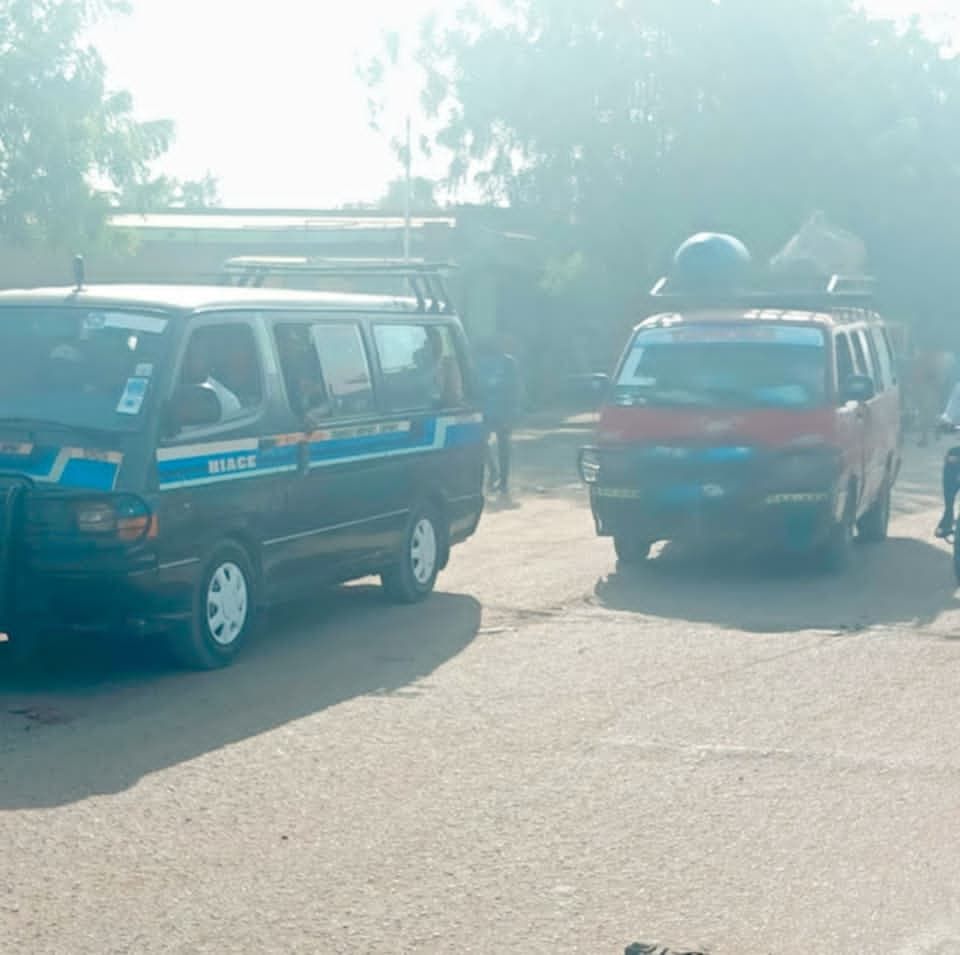
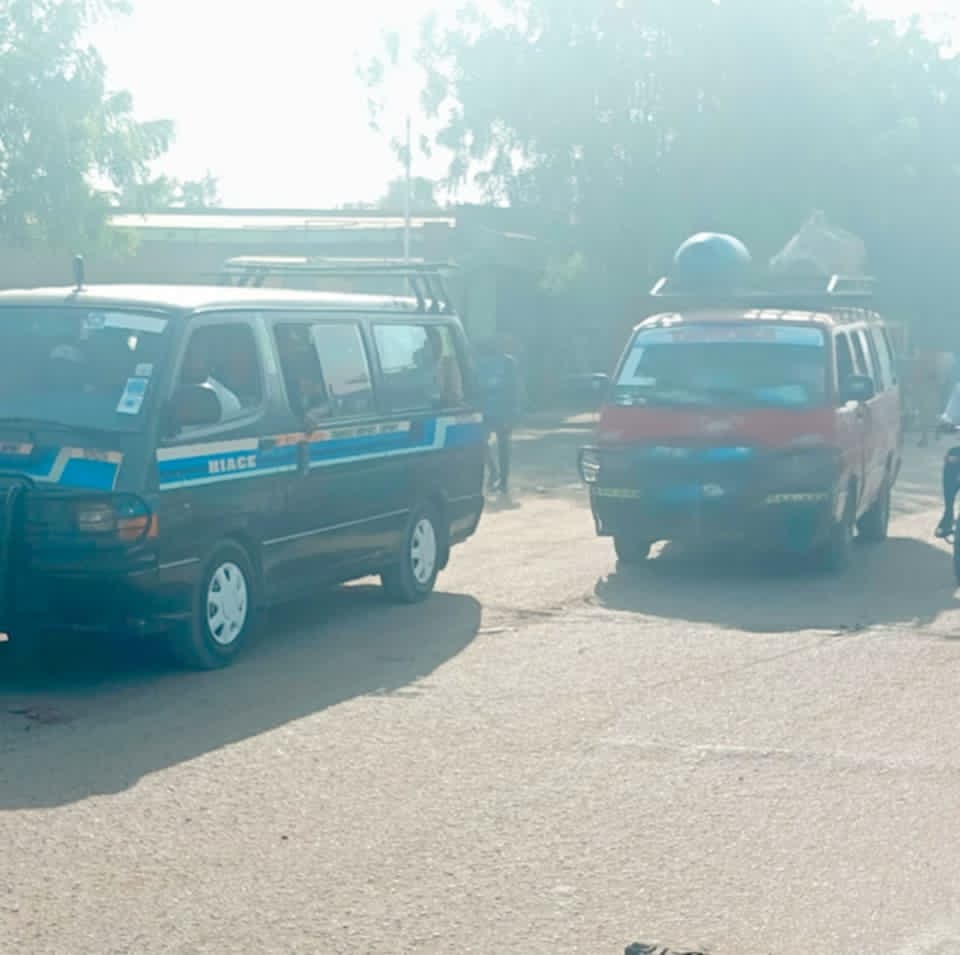
In Chad’s capital, N’Djamena, the rapid pace of urban growth has intensified the transport crisis. Minibuses, the backbone of public transit for most residents, operate in a chaotic, unregulated system that prioritizes speed over safety.
The consequences are stark: haphazard stops along busy roads, chronic congestion, and a growing number of road accidents. Without designated pickup and drop-off zones, drivers pull over anywhere, creating bottlenecks and endangering passengers. Pedestrians navigate a treacherous environment, forced to dodge moving vehicles just to board or exit.
Chaos on the roads stems from the lack of structured minibus stops. In peak hours, the situation worsens as vehicles halt abruptly, merging back into traffic with little regard for lane discipline. The absence of clear parking areas forces drivers to use sidewalks and intersections, disrupting smooth traffic flow and increasing collision risks.
A practical solution lies in creating designated minibus stops spaced 150 to 200 meters apart, adjusted for neighborhood density. These zones would:
- Standardize passenger boarding and alighting
- Reduce dangerous driving behaviors linked to spontaneous stops
- Enhance traffic flow and road safety
Many African capitals have successfully implemented such measures, transforming urban mobility by improving discipline and efficiency. N’Djamena must not lag behind. Local authorities, transport officials, and informal sector operators must collaborate to install clear signage, build small shelters, and educate drivers on compliance.
Yet infrastructure alone is not enough. A broader shift in urban mobility culture—backed by strong political will—is essential. As N’Djamena’s population swells, proactive planning is no longer optional; it’s a necessity for a safer, smoother, and more modern city.