Morocco reaffirms commitment to Libya’s political resolution
The Kingdom of Morocco has once again underscored its unwavering support for a political solution to the crisis in Libya during a recent session of the African Union Peace and Security Council (AUPSC).
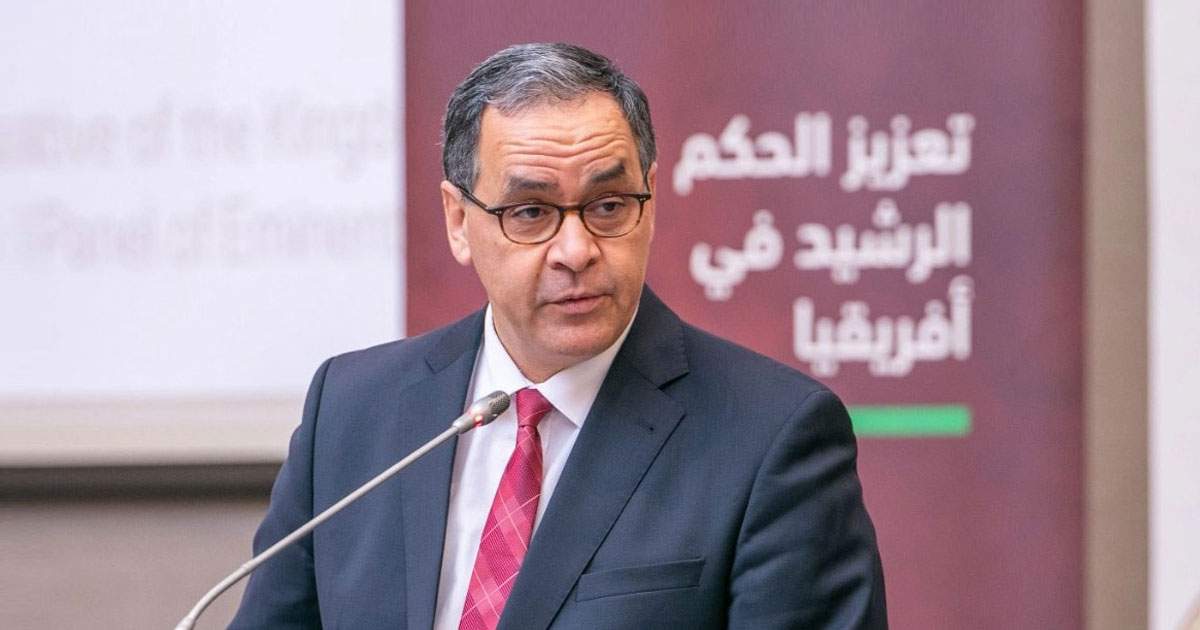
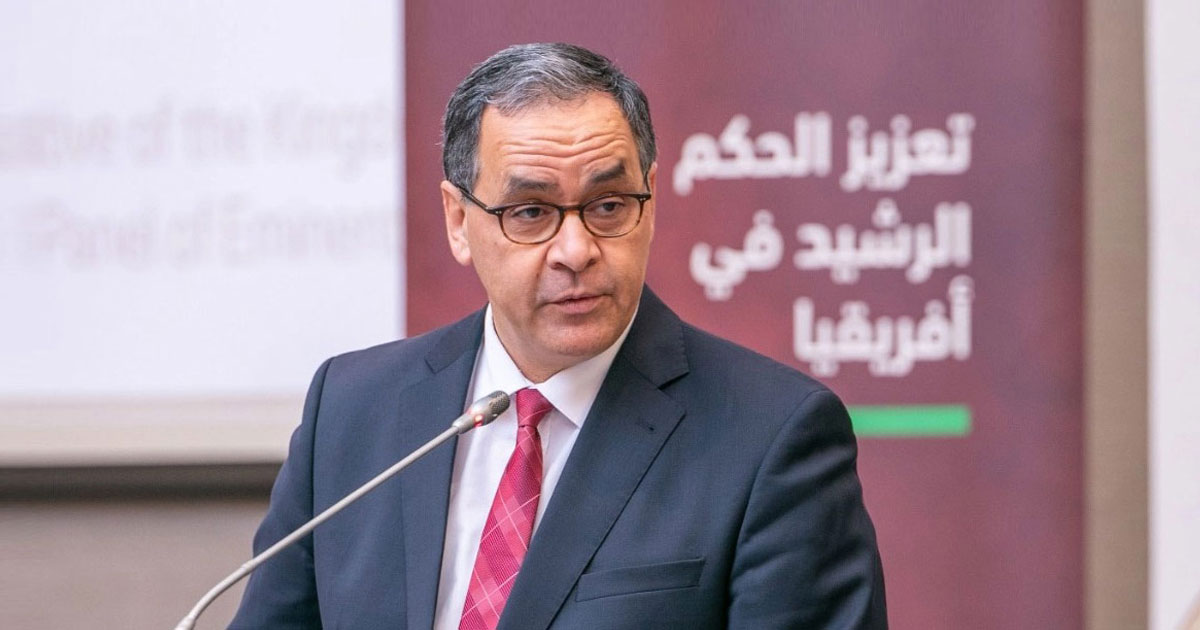
Mohamed Arrouchi, Morocco’s Permanent Representative to the African Union and the United Nations Economic Commission for Africa, delivered a strong message emphasizing the nation’s commitment to Libya’s national reconciliation process and inter-Libyan dialogue initiatives. These efforts aim to consolidate achievements and foster consensus among Libyan factions.
Arrouchi highlighted the Skhirat Agreement, signed on 17 December 2015, as a cornerstone framework for a sustainable political resolution in Libya. He stressed the importance of preserving Libya’s unity, sovereignty, and territorial integrity as essential prerequisites for lasting stability.
The Moroccan diplomat also expressed deep appreciation for the African Union’s relentless efforts to promote peace, security, and stability across the continent, particularly through its dedicated work toward a political solution in Libya. Under the leadership of His Majesty King Mohammed VI, Morocco remains fully aligned with these objectives.
Arrouchi recalled the recent meetings held in Tripoli and Zintan, which culminated in the signing of an agreement on 7 January 2026 between representatives of the Government of National Unity and the government in eastern Libya. He noted Morocco’s consistent role in facilitating dialogue among Libyan parties, a role trusted by all involved.
These efforts are firmly grounded in international legality, the provisions of the Skhirat Agreement, and the Bouznika understandings. The goal remains to advance a Libyan-led solution that satisfies all parties while firmly rejecting military options. Arrouchi concluded by stressing the need to continue political negotiations to resolve the crisis sustainably.
The Moroccan delegation’s stance reflects a clear vision: supporting Libya’s stability through dialogue, consensus, and respect for its sovereignty.