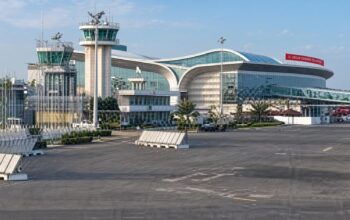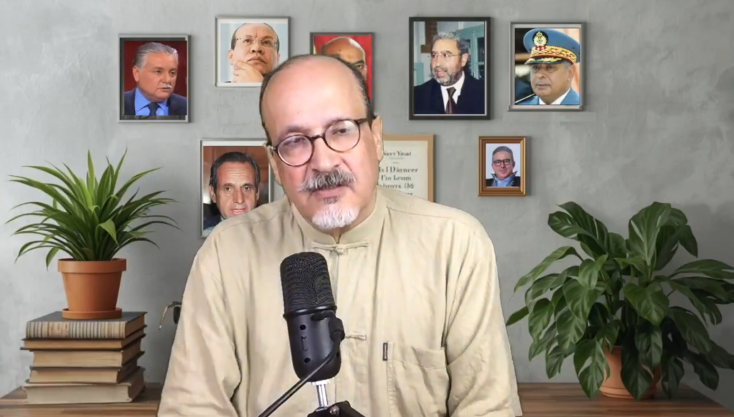
The independent Franco-Moroccan journalist Ali Lmrabet found himself at the center of controversy once again on July 12 when he was detained upon arrival at Tanger Airport after returning from Spain. The journalist, known for his critical stance on Moroccan authorities, was transferred to Casablanca where he was placed under police custody.
According to official statements, Lmrabet is accused of allegedly spreading false information that undermines constitutional institutions. Reporters Without Borders (RSF) has swiftly responded to the situation, demanding his immediate release and condemning what they describe as a judicial tactic to silence dissenting voices.
Legal accusations and past struggles
Upon his arrival in Morocco, Lmrabet was reportedly questioned by the National Brigade of Judicial Police in Casablanca. Authorities claim he is linked to multiple warrants related to digital publications deemed defamatory toward individuals and government bodies. His detention follows a pattern of legal harassment that has marked his decades-long career.
a legacy of press freedom advocacy
Lmrabet is no stranger to the fight for press freedom in Morocco. In 2003, he was sentenced to four years in prison for allegedly insulting the king, a ruling later pardoned by royal decree. His publications, including the now-defunct magazines Demain Magazine and Doumane, have long challenged state narratives.
Despite being barred from practicing journalism in Morocco since 2005 due to a defamation conviction, Lmrabet has continued his work from abroad, contributing to Spanish media outlets such as El Mundo and El País. His online presence, particularly through YouTube, remains influential, addressing sensitive topics like security and governance in Morocco.
International recognition has followed his relentless pursuit of truth. In 2014, RSF named him one of the “100 Press Freedom Heroes”, underscoring his global impact. His wife, Laura Feliu, has stated that Lmrabet had traveled to Morocco multiple times in the past two decades without incident, visiting family.
ongoing concerns over press freedom in Morocco
The recent arrest comes amid growing criticism of Morocco’s press freedom landscape. With a ranking of 105th out of 180 countries in the 2026 RSF World Press Freedom Index, the North African nation continues to face scrutiny over its treatment of independent journalists.
RSF’s North Africa director Oussama Bouagila condemned the arrest, stating: “The detention of Ali Lmrabet is deeply alarming and highlights the systemic misuse of legal frameworks to suppress critical voices. Journalism is not a crime, and using the justice system to punish journalists undermines Morocco’s stated commitment to press freedom.”