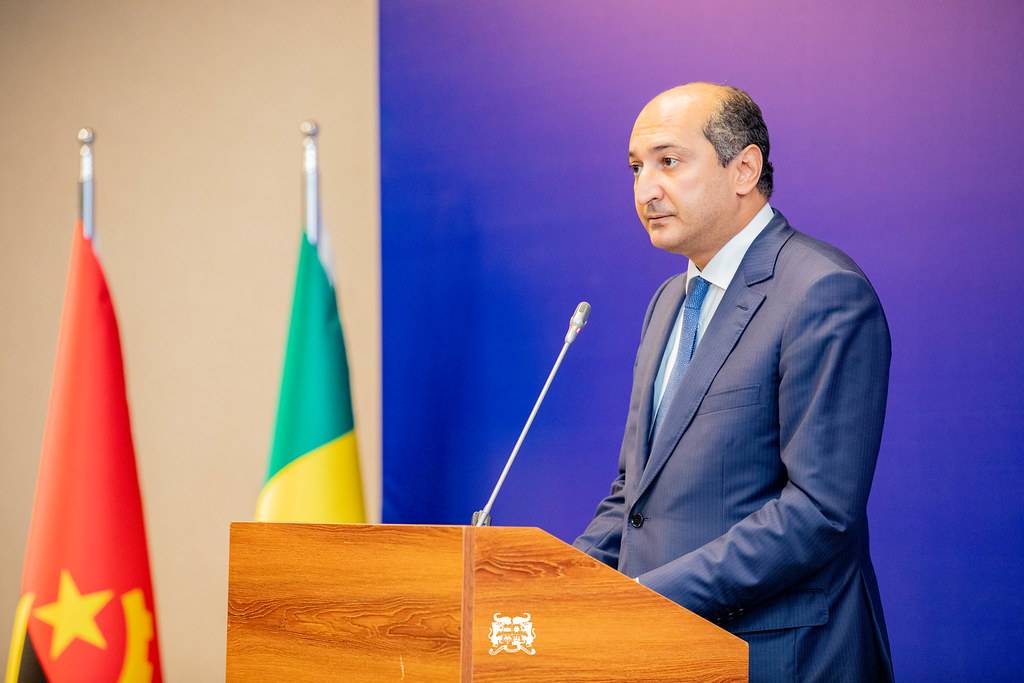
The Atlantic shores of Africa are witnessing a historic shift in geopolitical dynamics. On a pivotal Monday in July 2026, Cotonou emerged as the epicenter of this transformation, hosting the seventh ministerial meeting of the Processus des États Africains Atlantiques (PEAA). This high-level gathering, co-chaired by Bénin and the Kingdom of Morocco, brought together foreign affairs ministers, delegation heads, and experts from across the continent’s Atlantic coastline.
Forgeing a united front against shared threats
The Atlantic façade of Africa stretches thousands of kilometers, serving as a vital artery for trade and natural resources. Yet, this strategic region faces formidable challenges: piracy, illegal fishing, cross-border smuggling, and the relentless impacts of climate change on coastal communities. Addressing these issues requires more than isolated national efforts—it demands a collective and unified response.
Bénin‘s Minister of Foreign Affairs, Corinne Amori Brunet, set the tone during the opening session:
« Our shared challenges know no borders—whether they are security threats, economic hurdles, climate crises, or energy deficits. What we need is a concerted, solidarity-driven strategy. Bénin is committed to fostering structured partnerships that will turn our Atlantic space into a beacon of shared peace and prosperity. »
Green corridors and energy transition: the economic backbone
The 7th PEAA ministerial meeting placed a strong emphasis on accelerating the ecological transition within maritime and logistics sectors. The establishment of green logistics corridors has become a cornerstone of this vision, aiming to modernize port infrastructure while reducing carbon footprints.
The strategy revolves around three core pillars:
- Maritime security: Intensifying efforts to combat piracy, illegal fishing, and unregulated activities to safeguard vital trade routes.
- Green logistics corridors: Decarbonizing port operations and streamlining customs procedures to enhance regional competitiveness.
- Sustainable energy transition: Expanding access to clean energy through renewable sources like offshore wind, solar, and green hydrogen.
These initiatives are designed not only to reduce environmental impact but also to unlock economic potential. By creating efficient, eco-friendly trade routes, PEAA member states aim to lower logistics costs, shorten transit times, and spur local industrial growth. The Atlantic’s renewable energy potential—particularly in wind and solar—positions the region to become a global exporter of clean energy.
Morocco and Bénin: driving a pan-African vision forward
Launched in Rabat in 2022, the PEAA has grown into a vital platform for South-South cooperation. Mohamed Methqal, Director-General of Morocco’s Agency for International Cooperation (AMCI), underscored the Kingdom’s unwavering commitment during the Cotonou summit.
« The Atlantic is not merely a geographic boundary for Morocco; it is a geostrategic space for economic integration and connectivity. We are determined to support tangible projects that deliver tangible benefits to local communities, » he stated. Morocco’s involvement highlights its role in unlocking the Sahel’s economic potential by providing improved access to global markets.
The summit’s robust participation—including ministers from Cap-Vert, Gambie, Togo, and Ghana, alongside heavyweights like Nigeria, Angola, Côte d’Ivoire, Sénégal, RDC, Gabon, Cameroun, Guinée équatoriale, and Mauritanie—underscores the growing credibility of this initiative.
The Cotonou Declaration: a roadmap for action
The summit concluded with the unanimous adoption of the Cotonou Declaration, a pragmatic roadmap rather than a mere statement of intent. The document commits signatories to:
- Enhance maritime intelligence-sharing to combat illicit activities.
- Harmonize coastal environmental legislation to ensure sustainable development.
- Ease cross-border investments in green infrastructure projects.
For Bénin, this achievement reinforces its reputation as a key diplomatic hub in West Africa. The summit aligns with the vision of President Romuald Wadagni, who champions sustainable development and regional integration. By positioning Bénin at the heart of these initiatives, the country demonstrates that resilient economic growth hinges on strategic openness and cooperation.
The road ahead is ambitious. With eyes now fixed on implementation, the first green logistics corridor projects are poised to emerge as symbols of a united, prosperous, and self-determining Atlantic Africa.