military junta’s grip tightens in Burkina Faso amid rising dissent
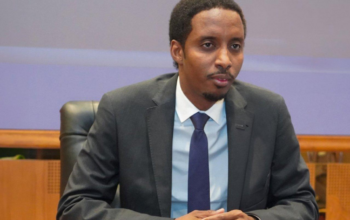
May 27, 2026The arrest of influential Sunni preacher Mohamed Ishaq Kindo in Burkina Faso on the eve of Eid al-Adha has sent shockwaves through the country. While authorities remain silent on the reasons behind the detention, the Federation of Islamic Associations (Faib) has urged calm and respect for state institutions.
Witnesses reported seeing plainclothes police and masked soldiers detain the imam around 2 p.m. on Tuesday, May 26. Attempts by worshippers to intervene led to violent clashes, leaving several injured.
The arrest comes at a time of heightened tensions over a controversial bill on religious freedoms. The proposed law seeks to reinforce state secularism, regulate places of worship in public institutions, and curb extremist influences. Critics, particularly Muslim associations, demand its withdrawal.
Days before his arrest, Kindo released an audio message questioning whether authorities were “fully considering the consequences of their actions before proceeding.”
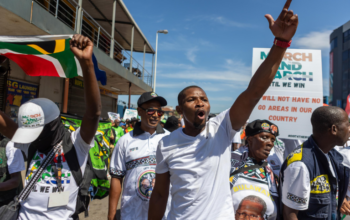
Within hours of his detention, supporters gathered in Ouagadougou to protest—only to be dispersed with tear gas.
This incident is not isolated. In late March, imam Mahmoud Barro vanished after openly criticizing the same bill.
The crackdown extends beyond religious figures. The General Union of Burkinabè Students (Ugeb) faces a three-month suspension—renewable—for allegedly glorifying terrorism. The group had criticized authorities for their clear inability to address insecurity and failing promises.
Human rights groups condemn repression
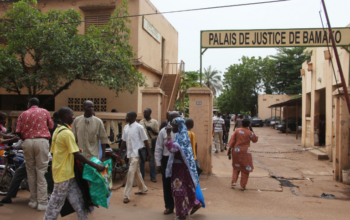
Human Rights Watch describes Ugeb as “a vital voice for student welfare and advocate for transparency and social justice since 1960.” Yet a prosecutor in Ouagadougou has opened an investigation into the union’s statement, with exiled Burkinabè sources alleging the judiciary is increasingly “aligned with the junta’s political and security agenda.”
HRW has called for the suspension to be lifted and for an end to “oppression of independent voices and fundamental freedoms.” The group argues that silencing students will not resolve Burkina Faso’s worsening security and governance crises—including escalating attacks by Islamist insurgents.
Just a month ago, the International Federation for Human Rights (FIDH) urged Burkinabè authorities to “safeguard the fundamental rights and freedoms of all citizens.” So far, the appeal appears unheeded. Instead, fear is taking root across society. Journalists now struggle to find willing sources, as the risks of speaking out grow by the day—though dissent persists in online forums and private conversations.