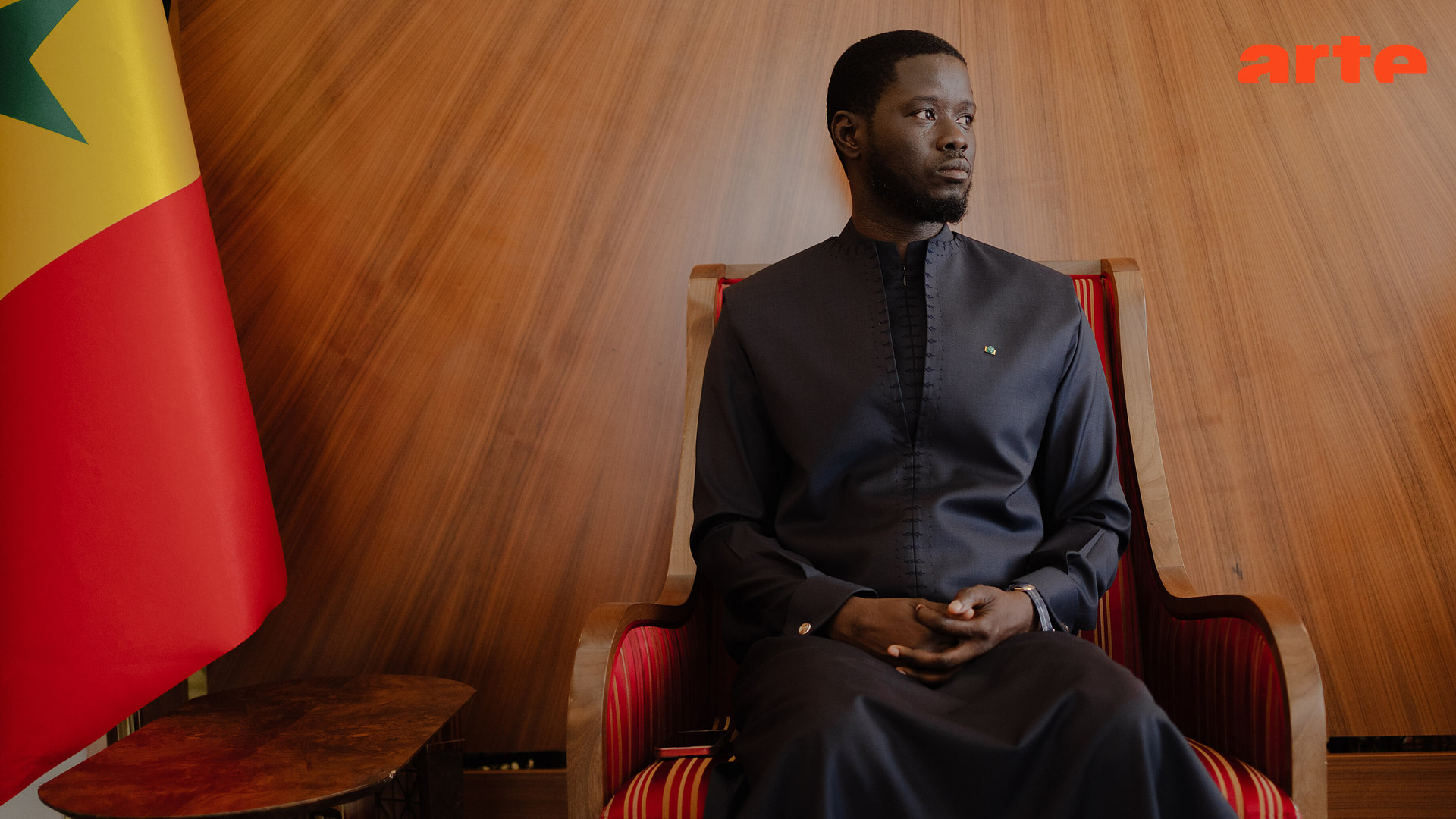
The political landscape in Senegal is undergoing severe turbulence as the nation faces mounting internal pressures. On May 22, 2026, President Bassirou Diomaye Faye made a decisive move by dismissing his former Prime Minister and close ally, Ousmane Sonko, a figure instrumental in his rise to power. The abrupt decision has sent shockwaves through the country’s political establishment.
Days later, on May 26, Ousmane Sonko secured a significant political victory by being elected Speaker of the National Assembly, a role that amplifies his influence and underscores the deep divisions within the ruling coalition. This development highlights the growing fractures in the government’s unity, raising concerns about the stability of the administration.
Adding to the unrest, Senegal passed a controversial law in March 2026 that intensifies the criminalization of homosexuality. The legislation has sparked widespread debate, drawing both domestic and international criticism. Critics argue that the law exacerbates social tensions and undermines the country’s commitment to human rights and inclusivity.
These events paint a picture of a nation at a crossroads, where political maneuvers and legislative changes are fueling uncertainty about the future. The combination of leadership upheaval and contentious social policies is testing the resilience of Senegal‘s democratic institutions and societal cohesion.