Joseph Kabila challenges US sanctions in American court
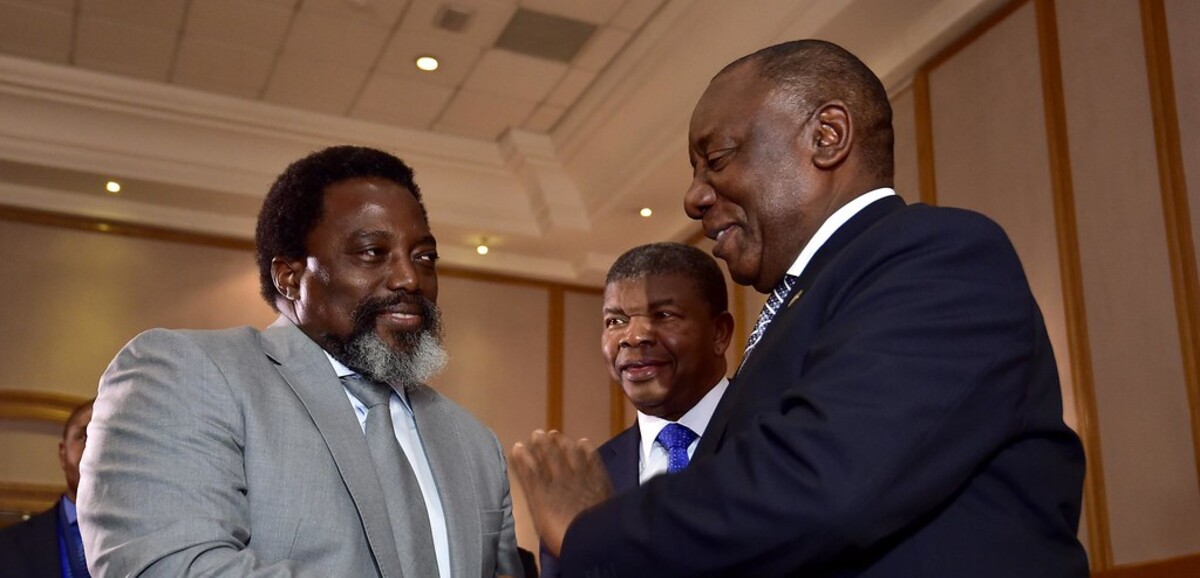
Former Democratic Republic of Congo (DRC) President Joseph Kabila has filed a lawsuit in a U.S. federal court seeking to overturn sanctions imposed by Washington in April 2026.
Kabila files legal challenge against Washington’s blacklisting
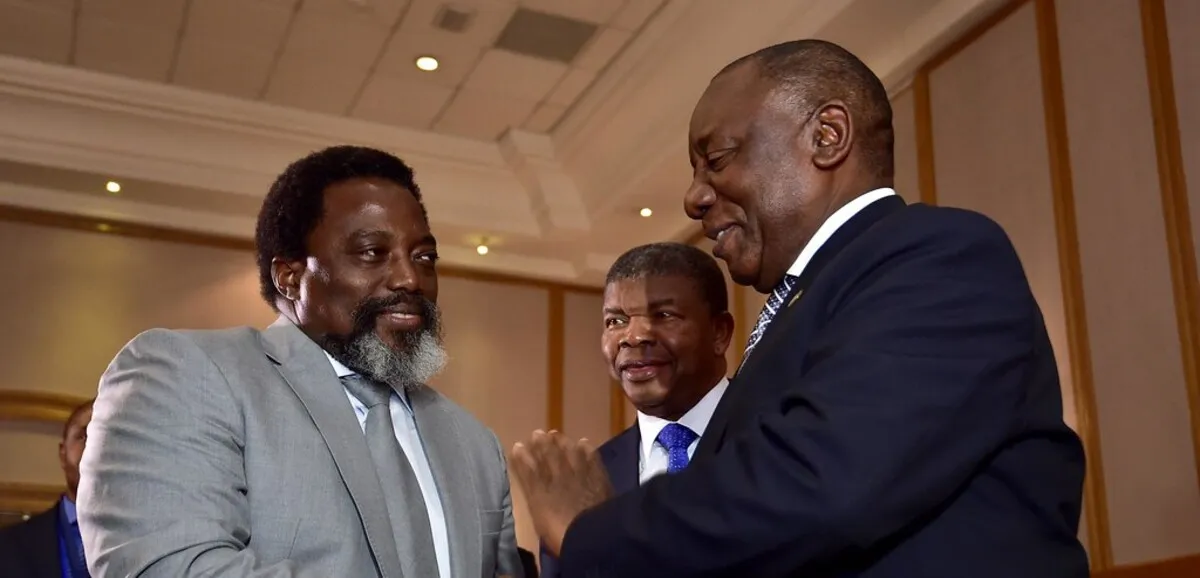
In early August, Joseph Kabila initiated legal proceedings before a U.S. federal court to contest his placement on the Office of Foreign Assets Control (OFAC) blacklist. The Treasury Department’s sanctions enforcement body had included his name, citing alleged ties to armed groups in the DRC.
His legal team argues that the accusations lack concrete evidence and are based on vague allegations. The 16-page complaint demands the immediate removal of his name from the sanctions list.
DRC accuses Kabila of aiding armed factions
U.S. authorities claim Joseph Kabila provided financial and logistical support to the Alliance Fleuve Congo (AFC), a coalition whose armed wing, the M23, operates in eastern DRC. Washington also accuses him of encouraging Congolese soldiers to defect and of residing in Goma under the protection of M23 militants.
Kabila vehemently denies these allegations. His defense team dismisses the accusations as ‘arbitrary and unsubstantiated’, pointing out that no verified financial transactions to the AFC have been documented. They also emphasize that no named military personnel have been cited as having deserted due to his influence.
Demanding proof: Kabila’s legal strategy
The lawsuit highlights critical gaps in the U.S. case, including the absence of specific evidence linking Kabila to the armed groups. His lawyers recall that during his presidency (2001–2019), Congolese forces successfully dismantled the M23 in 2013, a fact they argue contradicts current claims of his alleged support for the group.
Court battle amid ongoing eastern DRC conflict
The legal dispute unfolds as the M23 and its political ally, the Alliance Fleuve Congo, remain central to the violent crisis gripping eastern DRC. Diplomatic efforts to broker a political and security resolution continue, though progress has been limited amid shifting regional alliances and escalating tensions.