Behind the curtain: Why an energy project persists despite political friction
Even as Mali cut ties with the Economic Community of West African States (CEDEAO), a long-running electricity access initiative remained untouched—a testament to how development projects can outlast political ruptures. This behind-the-scenes reality reveals a rarely discussed layer of regional cooperation: once a program is in motion, its momentum can carry it forward regardless of diplomatic shifts.
From agreement to execution: the roots of an enduring project
The ECOWAS Regional Electricity Access Project (ECOWAS-REAP) kicked off in 2019, backed by $225 million from the World Bank, with one clear goal: extending reliable electricity to underserved communities in Mali, Gambia, and Guinea-Bissau. Long before Mali formally exited CEDEAO, local and regional officials were already laying the groundwork for long-term change—designing transmission lines, installing mini-grids, and training local technicians. That infrastructure foundation became the silent force ensuring continuity even as the political climate soured.
By the latest assessment, the program had already connected 490 villages and brought new or improved electricity to nearly 500,000 people. That progress didn’t pause when Bamako announced its withdrawal from CEDEAO alongside Burkina Faso and Niger. Instead, the project forged ahead, with Malian energy authorities participating in regional coordination meetings and sharing data with counterparts from across West Africa.
The invisible thread: technical cooperation beyond politics
What makes this scenario particularly telling is the dual role played by CEDEAO. Officially stripped of its membership status, Mali continued collaborating on the project’s technical oversight. Officials from Énergie du Mali (EDM-SA) joined regional steering committees in Abuja, reviewed quarterly reports, and contributed to decision-making on maintenance and expansion phases.
This cooperation didn’t hinge on political approval—it was grounded in existing contracts, shared infrastructure standards, and a mutual understanding that energy access is a non-negotiable public good. In essence, the project had already moved from ‘political idea’ to ‘operational reality,’ and that reality proved resilient to institutional ruptures.
Everyday impact: when kilowatts matter more than geopolitics
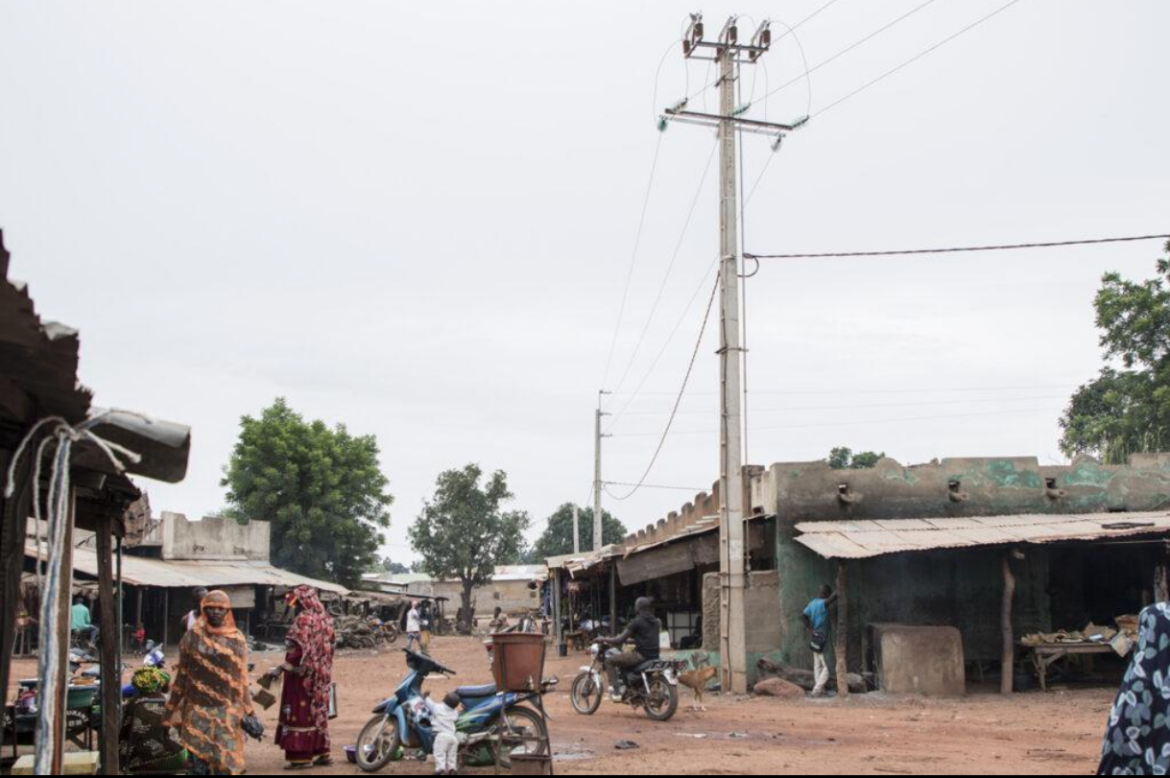
For communities in southern Mali, the arrival of steady electricity means more than just brighter homes—it translates into operational health clinics, running water pumps, and small businesses that can stay open after sundown. Oussouby Mary dit Ousmane Diarra, Mali’s national energy director, has repeatedly underscored this human dimension, noting that delays caused by insecurity and contractual hurdles don’t negate the value delivered so far.
His call for a 30-month extension—pending World Bank approval—highlights a paradox: the demand for energy services remains constant even as the political landscape shifts. Villagers in Koulikoro and Sikasso still need refrigeration for vaccines, farmers still need pumps for irrigation, and students still need light to study. The project’s continuation isn’t an act of goodwill; it’s a response to an unrelenting need.
Lessons for regional cooperation: infrastructure as neutral ground
The Malian experience offers a quiet but powerful lesson for West Africa: once established, certain physical and operational systems can transcend political divisions. Power grids don’t recognize borders or treaties. They connect people to jobs, schools, and health services—regardless of whether their governments are aligned or estranged.
For CEDEAO, the challenge now is to convert short-term gains into long-term stability—ensuring national utilities can sustain new connections, maintain equipment, and expand coverage without constant external oversight. For Mali, the message is equally clear: energy access is not a bargaining chip. It’s an investment in stability, resilience, and dignity for millions of citizens.
Conclusion: When the lights stay on, politics can wait
Mali may no longer be part of CEDEAO, but its villages remain lit. The project didn’t fold under pressure—it simply did what it was designed to do: deliver electricity where it’s needed most. That outcome reveals a profound truth about regional development: when infrastructure is built with the future in mind, it doesn’t just survive political storms—it powers through them.