Behind the ceremonial arrival of Algerian fuel tankers lies a systemic energy crisis
The golden drums of a trumpeted convoy rolled into Agadez on November 1st, 2026, met by a phalanx of ministers, Sonidep executives and regional governors. Fifty-three Algerian tankers bearing 1.65 million litres of gasoline and diesel received a state welcome redolent of diplomatic triumph. State media hailed the solidarity between Niamey and Algiers. Yet beneath the ceremonial pomp, the real story is one of eroded energy sovereignty, opaque finances and a nation racing to plug the very gaps it once exported from.
Vanishing surpluses: how Zinder’s refinery stopped feeding the nation
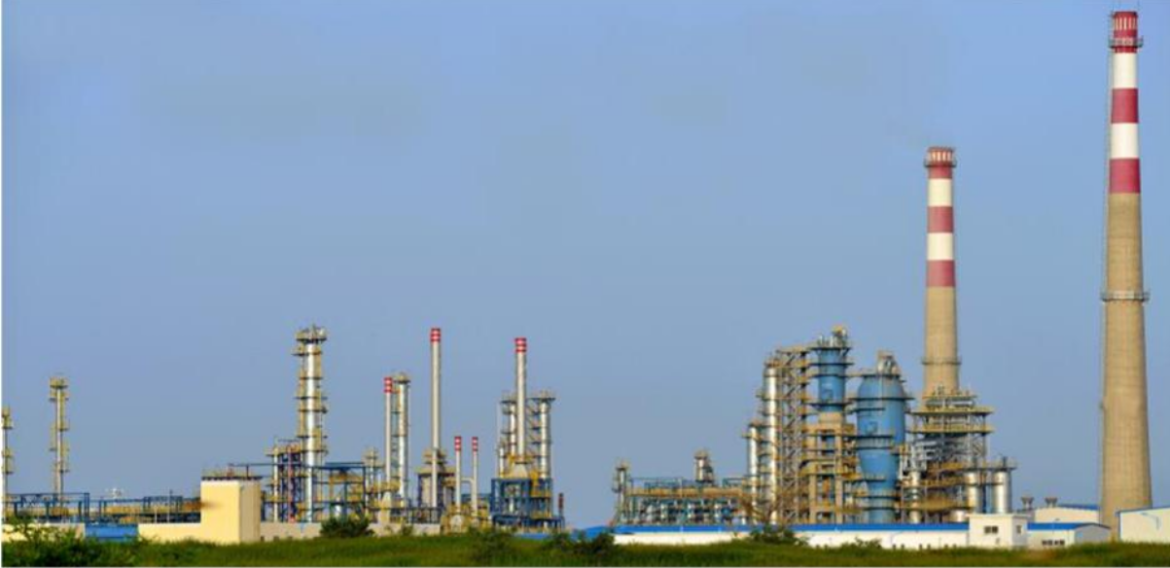
SORAZ at Zinder delivered 365.95 million litres of premium gasoline in 2023, of which 328.25 million litres were transferred to Sonidep. A comfortable 37.69 million-litre surplus was earmarked for export—a surplus that simply evaporated in 2024. That year the refinery produced 345.34 million litres and declared every drop transferred to Sonidep; the export column shrank to zero. The same pattern repeated in the first two months of 2025: 56.88 million litres produced, 56.88 million litres delivered, no surplus left for the national till.
Official Sonidep communications confirmed that by late 2024 gasoline and LPG were already 100 % redirected to domestic consumers, while diesel exports continued unabated. The paradox is clear: Niger can still ship away some middle distillates, yet it no longer commands the cushion of surplus premium fuel that once insulated it from shortages.
Tracking the revenue black hole in petroleum accounting
The finance puzzle deepens at Sonidep, the state distribution monopoly. Leaks in the public debate point to debts approaching 418 billion West African CFA francs—over two billion US dollars at current rates. How can an entity that handles hundreds of millions of litres in daily transfers accumulate such obligations? Questions multiply: are all sales receipts actually collected? Are receivables from fuel distributors and bulk buyers under control? How much of the revenue ever reaches Sonidep’s balance sheet?
Without audited, line-item accounts, the figure remains a dark ledger; the true causes remain hidden in opaque contracts and unenforced payment schedules.
Strategic reserves traded away to keep cash registers ringing
Trade sources allege that certain strategic stocks were liquidated under preferential terms to shore up short-term liquidity. Others whisper that inventories earmarked for the refinery’s critical maintenance shutdowns were redirected, threatening long-term operational integrity. A refinery cannot operate indefinitely without planned maintenance cycles; a nation cannot claim energy independence while consuming precautionary stocks without a credible replenishment formula.
The critical unknowns remain the same: were these reserves liquidated for a transient funding gap or a structural cash squeeze? Were the transactions competitively tendered? Who benefited and what safeguards were written into the sale contracts?
Collapse of grey-market fuel links with Nigeria aggravated shortages
Inward petrol smuggling from Nigeria had for years plugged part of Niger’s demand gap—even if illegal. When Abuja scrapped fuel subsidies in early 2025, smuggled gasoline’s price edge vanished overnight. Simultaneously, stepped-up border enforcement tightened the taps. By March 2025 a Sonidep commercial manager acknowledged Niamey was receiving only 25 tanker-loads from SORAZ daily against estimated requirements of 50. The shrinkage of clandestine arrivals—and the failure to replace it with licensed imports or expanded storage—exposed the fragility of documented supply chains.
Yet smuggling is only a symptom. Why, knowing this exposure, did authorities not pre-emptively build buffer storage or diversify import channels before the curtain fell on the grey market?
The Mali solidarity paradox: sending out tankers while home reserves drained
In November 2025, as Malian cities faced fuel blockades imposed by JNIM insurgents, Niamey dispatched roughly 82 tankers toward Bamako. The logistics operation was accompanied by sanctions against transporters who refused government requisition orders: fourteen lost hydrocarbon-transport licences and nineteen drivers had their professional permits revoked. The question lingers: while mobilising scarce rolling stock for a neighbour in distress, what state were Niger’s domestic strategic inventories in? Had an impartial capacity audit confirmed that simultaneous national and solidarity needs could be met?
The contrast is telling. One convoy—displayed with full ceremonial pomp after crossing the border from Algeria. The other—organised under duress, with harsh penalties levied on reluctant transporters. Both episodes invite the same scrutiny: is there a transparent, quantifiable national fuel-security strategy that balances external cooperation with domestic safeguards?
From producer to importer: the policy vacuum at the heart of the paradox
On October 12, 2026 the government banned gasoline and diesel exports to prioritise the domestic market. As shortages metastasised, a prime-ministerial crisis committee was formed and tighter stock and delivery controls were promised. The immediate impact—1.65 million litres rolling into Agadez—addresses a fraction of demand yet shines a harsh spotlight on deeper structural fissures.
Energy sovereignty is not attained merely by sinking wells and erecting refineries. It is demonstrated when a nation’s cumulative petroleum revenues, refining capacity and storage integrity converge to guarantee regular supply, transparent pricing and verifiable accounts. Niger has the resources; the fault line runs through management.
Key questions the petroleum chain must now answer
- Where did the earlier surpluses disappear? The 37 million-litre annual buffer evaporated without a trace—was cash flow the driver?
- What is the actual level of strategic stocks today? Are reserves below the minimum safeguard thresholds?
- Why did the premium-fuel deficit balloon from 47 million litres in 2024 to nearly 200 million litres in the first eight months of 2026?
- What is Sonidep’s exact financial position? Are liabilities understated or are receivables overstated?
- Is maintenance funding still ring-fenced for SORAZ? Without scheduled turnarounds, refinery uptime is at risk.
- Under what commercial terms was the Algerian fuel purchased? Were prices benchmarked on world markets or locked into bilateral concessions?
Exporting barrels while importing gasoline: the sovereign-energy delusion
Niger’s story is neither about scarcity of petroleum nor absence of refining capacity. It is about a policy and governance failure that tolerated leaky financial controls, allowed strategic reserves to be liquidated, permitted grey-market supplies to function as a policy crutch and then scrambled for last-resort imports once the crutch snapped. Honouring Algerian tankers with full official honours may soothe immediate shortages, but it cannot substitute for a national audit of the entire petroleum value chain.
The scandal—not the arrival of the Algerian convoy itself—would be failing to explain transparently how a producing nation permitted such a yawning gap between its official capacities, its actual stocks and its citizens’ daily needs.