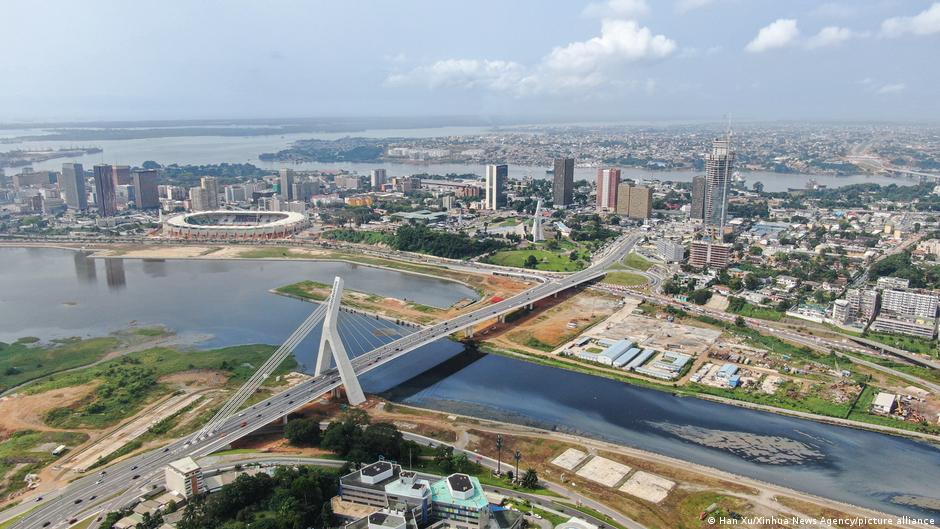
Ivory Coast’s bold leap into sustainable development
The Ivory Coast is making waves across Africa with its ambitious push into the green economy. This West African nation is redefining its economic future by empowering a new generation of entrepreneurs who are turning sustainability into opportunity. From urban farming to insect-based protein production and carbon offset initiatives, discover how young innovators are driving change while protecting the environment.
Urban agriculture: growing more than just crops
In the heart of Abidjan and other major cities, urban agriculture is blossoming as a sustainable solution to food security and unemployment. Young farmers are transforming rooftops, balconies, and empty lots into thriving vegetable gardens and orchards. These green spaces not only provide fresh produce but also help combat climate change by reducing carbon footprints associated with long-distance food transport.
Local initiatives like AgriHub Côte d’Ivoire are at the forefront, offering training and resources to aspiring urban farmers. By leveraging hydroponics and vertical farming techniques, these agripreneurs are maximizing yields in minimal spaces while using fewer resources than traditional agriculture.
Insect farming: a protein revolution
The Ivory Coast is also embracing insect farming as a sustainable protein source. Startups are cultivating crickets, black soldier flies, and mealworms, which require significantly less land and water than conventional livestock. These insects are then processed into high-protein animal feed or even direct human consumption products, offering a nutritious and eco-friendly alternative to traditional protein sources.
This innovative approach not only supports food security but also creates jobs, particularly for women and youth in rural areas. Companies like InsectiPro Côte d’Ivoire are leading the charge, proving that small-scale insect farming can scale into a profitable industry with global potential.
Carbon markets: turning emissions into opportunities
Another groundbreaking trend in the Ivory Coast’s green economy is the development of carbon credit projects. By restoring degraded lands, planting native tree species, and adopting sustainable land-use practices, local communities are generating carbon credits that can be sold in international markets. These projects not only sequester carbon but also enhance biodiversity and improve livelihoods.
Organizations such as Eco-Carbone Côte d’Ivoire are helping farmers and cooperatives navigate the complexities of carbon markets. Their work ensures that environmental benefits translate into tangible economic rewards, incentivizing long-term commitment to sustainability.
Protecting Africa’s endangered species
The Ivory Coast is also taking bold steps to safeguard its rich biodiversity. With several species facing extinction due to habitat loss and poaching, conservation projects are gaining momentum. Efforts include reforestation programs, anti-poaching patrols, and community-led wildlife protection initiatives.
For example, the Taï National Park—a UNESCO World Heritage Site—has become a symbol of hope for species like the pygmy hippopotamus and Jentink’s duiker. Through ecotourism and sustainable funding models, these projects are preserving natural habitats while supporting local economies.
Why the green economy is a game-changer for Ivory Coast
The shift toward a green economy in the Ivory Coast isn’t just an environmental choice—it’s an economic imperative. With a young and dynamic population, the country is uniquely positioned to capitalize on global demand for sustainable products and services. By investing in green technologies, Ivory Coast is reducing its reliance on fossil fuels, creating high-value jobs, and positioning itself as a leader in Africa’s sustainable development journey.
As global climate policies tighten and consumers prioritize eco-friendly products, the Ivory Coast’s early adoption of green economy principles could set a powerful example for the rest of the continent. The future looks promising for a nation that dares to innovate for both people and the planet.