a strategic gateway for arms shipments in west africa
The bustling port of Conakry, Guinea’s capital, has quietly emerged as a critical transit point for military supplies bound for Mali. Investigations reveal how shipments, including those linked to Russian entities, are increasingly routed through this West African harbor, bypassing international scrutiny while fueling regional conflicts.
the role of the sabetta cargo vessel
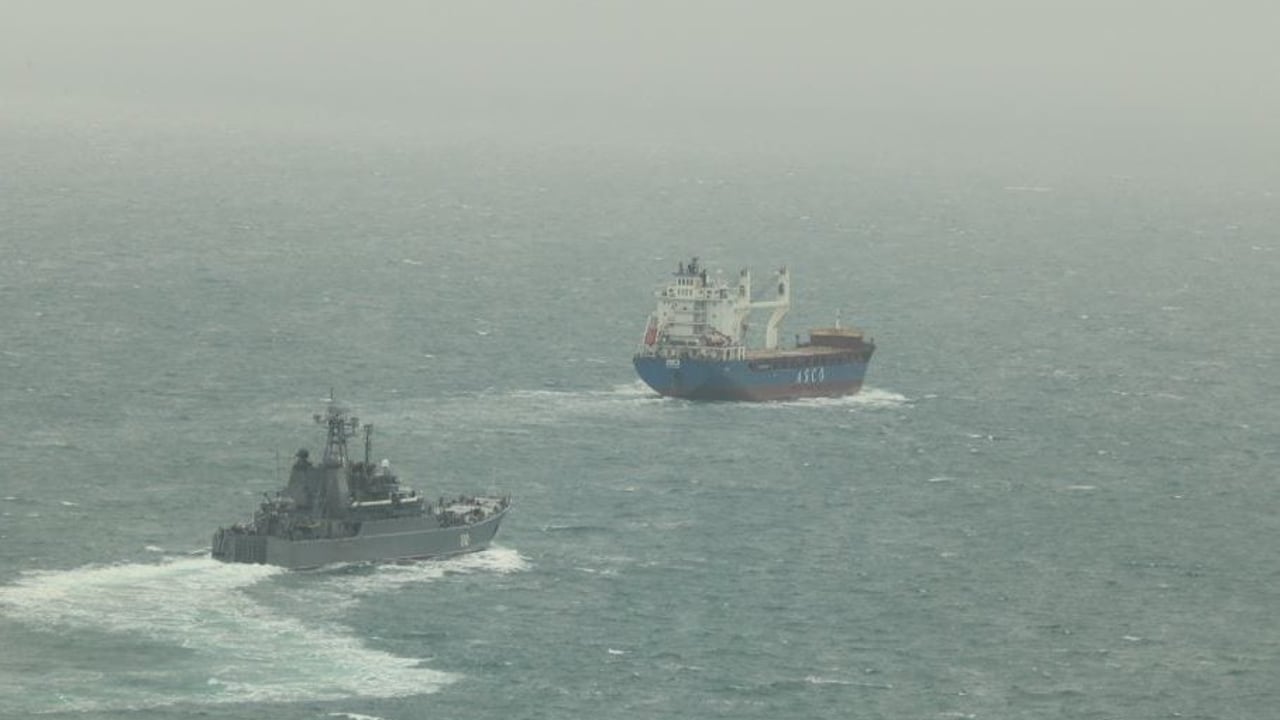
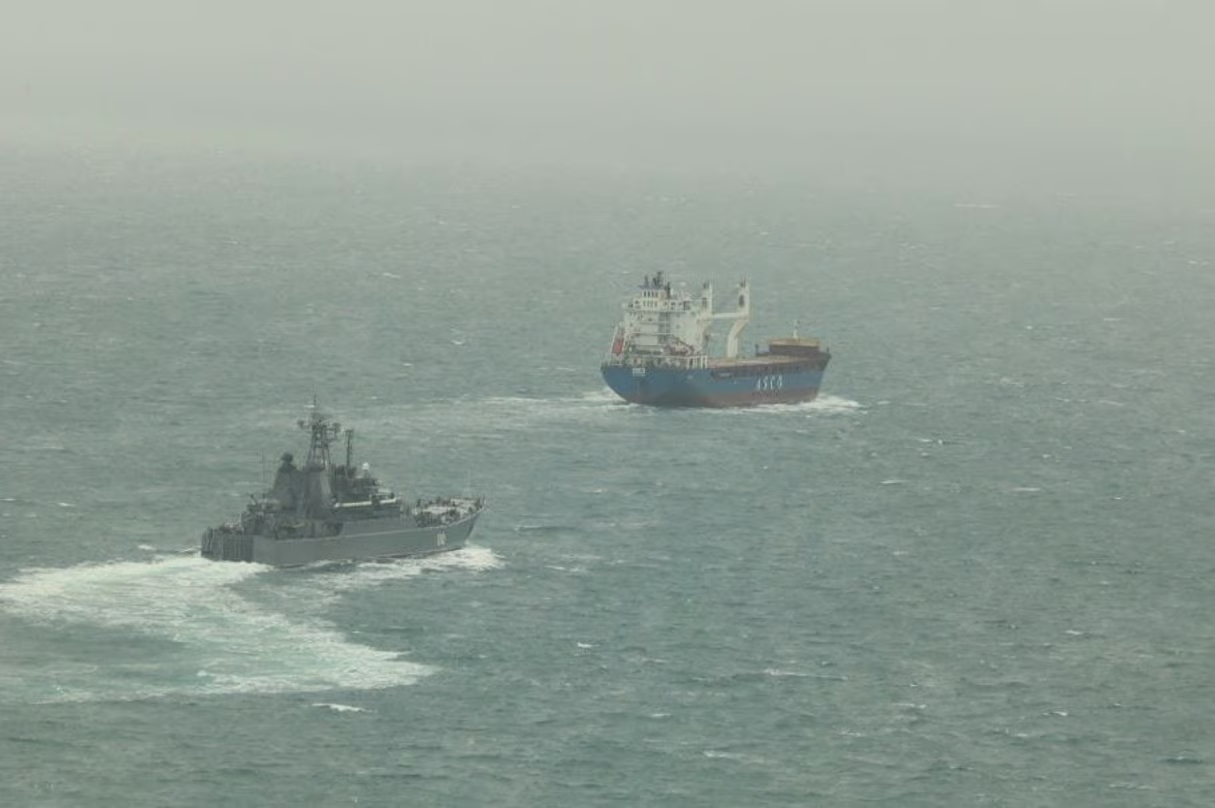
In March 2026, the Sabetta cargo ship, accompanied by a Russian naval escort, was observed traversing the English Channel. While its official destination was listed as Conakry, intelligence sources tracking maritime routes confirm its cargo was ultimately destined for Mali. The vessel’s journey underscores a growing trend: the use of West African ports as alternative supply routes for conflict zones.
key players in the arms supply chain
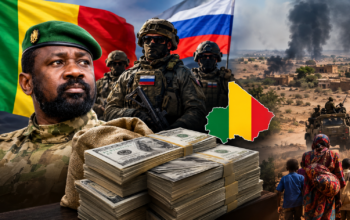
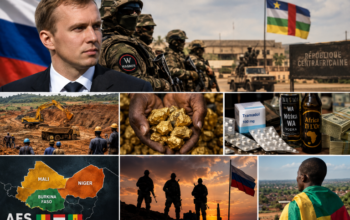
Several entities are involved in orchestrating these shipments. The Africa Corps, a Russian paramilitary group, has been identified as a major facilitator. Alongside it, the Wagner Group—known for its operations across Africa—continues to play a pivotal role in transporting weaponry and military personnel to conflict hotspots.
Guinea’s transitional leadership, under President Mamadi Doumbouya, faces mounting pressure to address these unauthorized activities. While Conakry has not publicly commented on the shipments, the port’s infrastructure and security protocols are now under intense scrutiny.
regional implications and security concerns
The flow of arms through Conakry raises serious questions about regional stability. Mali, already grappling with insurgencies and political instability, is receiving an influx of military hardware via unconventional routes. Neighbors like Burkina Faso and Niger are closely monitoring these developments, wary of the potential spillover effects.
Analysts warn that unchecked arms trafficking could exacerbate existing conflicts and empower non-state actors. The Sahel region, already fragile, faces heightened risks as foreign military interventions become more covert yet increasingly influential.
what’s next for Conakry’s port?
As the port of Conakry gains notoriety, international observers are calling for stricter oversight. Guinea’s government must balance diplomatic relations with vigilance against illicit activities. The coming months will reveal whether authorities can curb these shipments or if the port will remain a convenient loophole in the global arms trade.