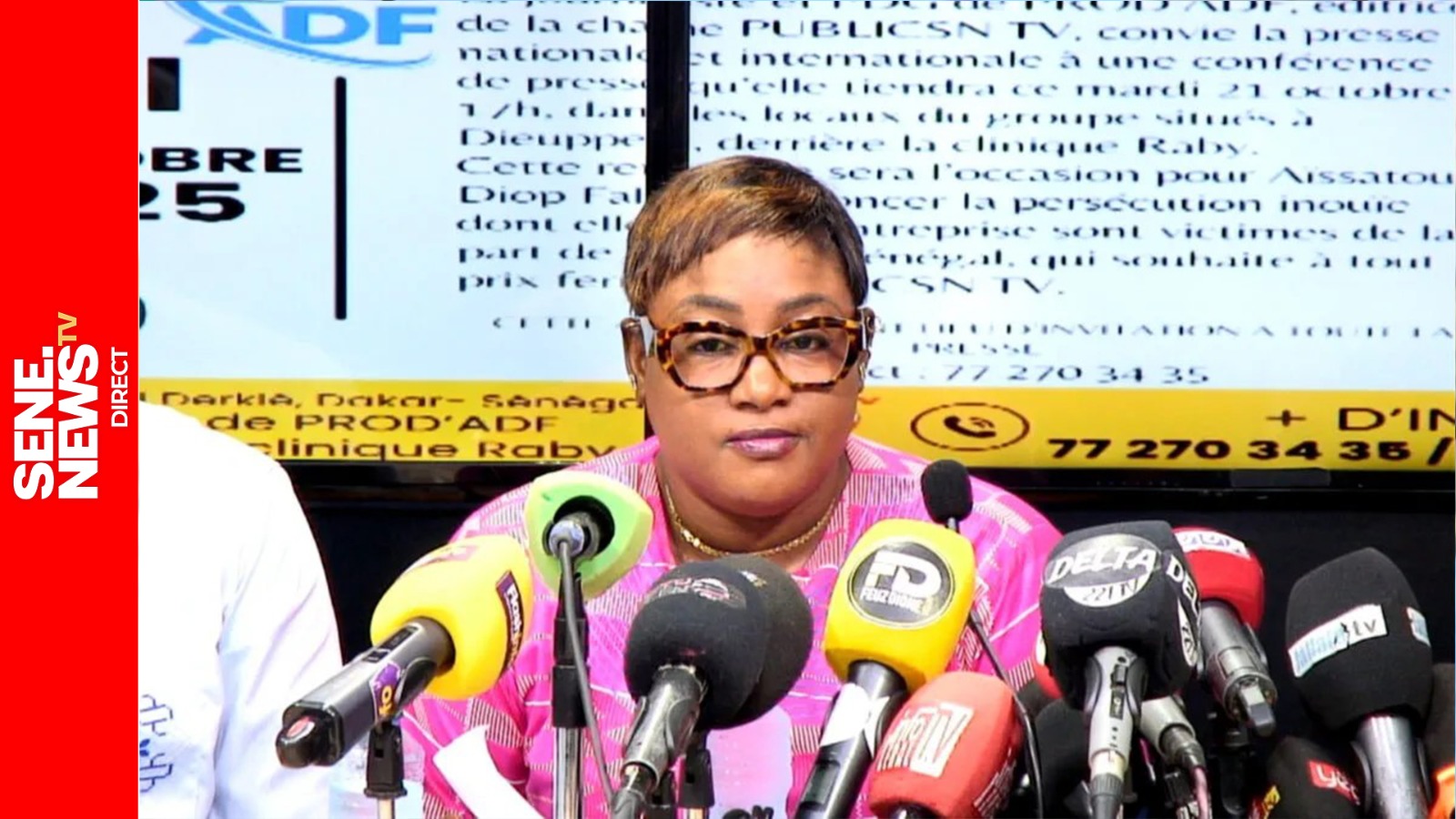
Aïssatou Diop Fall summoned by cybersecurity division over controversial remarks
The journalist and television channel director Aïssatou Diop Fall has been summoned by the Special Cybersecurity Division (DSC) following controversial remarks about Ousmane Sonko. Despite issuing a public apology, she now faces significant legal consequences for statements made on social media.
Legal proceedings initiated after explosive remarks
The Special Cybersecurity Division of the national police has scheduled an urgent hearing for Aïssatou Diop Fall. This follows a prosecutor’s decision to investigate remarks she made in a widely circulated video, where she allegedly expressed a wish for Ousmane Sonko, leader of the Pastef movement, to be kidnapped by terrorists. The comments ignited fierce debate online and in public discourse.
Following the backlash, Aïssatou Diop Fall issued a formal apology in a separate video statement. However, prosecutor Ibrahima Ndoye proceeded with her summons, citing potential violations of Senegal’s Penal Code and cybercrime legislation. Publicly disseminated statements on digital platforms carry legal weight, and authorities are taking the matter seriously.
Potential charges and legal consequences
Under current laws, several offenses could apply to her case, including:
- Incitement to violence or criminal acts — when statements encourage or glorify harmful behavior
- Disruption of public order — remarks that threaten social stability or provoke unrest
- Indirect threats or calls to harm individuals — even without direct action taken
- Cybersecurity violations — dissemination of harmful or inflammatory content online
The prosecutor’s office will assess the severity of the statements before deciding on possible penalties. Consequences may range from hefty fines to imprisonment, particularly if the remarks are deemed to have incited violence or posed a threat to public safety. The final decision will depend on the findings of the DSC investigators and the prosecutor’s evaluation of the evidence.
What happens next?
The upcoming hearing will determine the direction of the case. Aïssatou Diop Fall’s legal team will present her defense, while authorities review the content of her statements and their impact on public order. Given the sensitivity of the matter, the outcome could set a legal precedent regarding freedom of expression and digital communication in Senegal.