a bionic breakthrough in water treatment
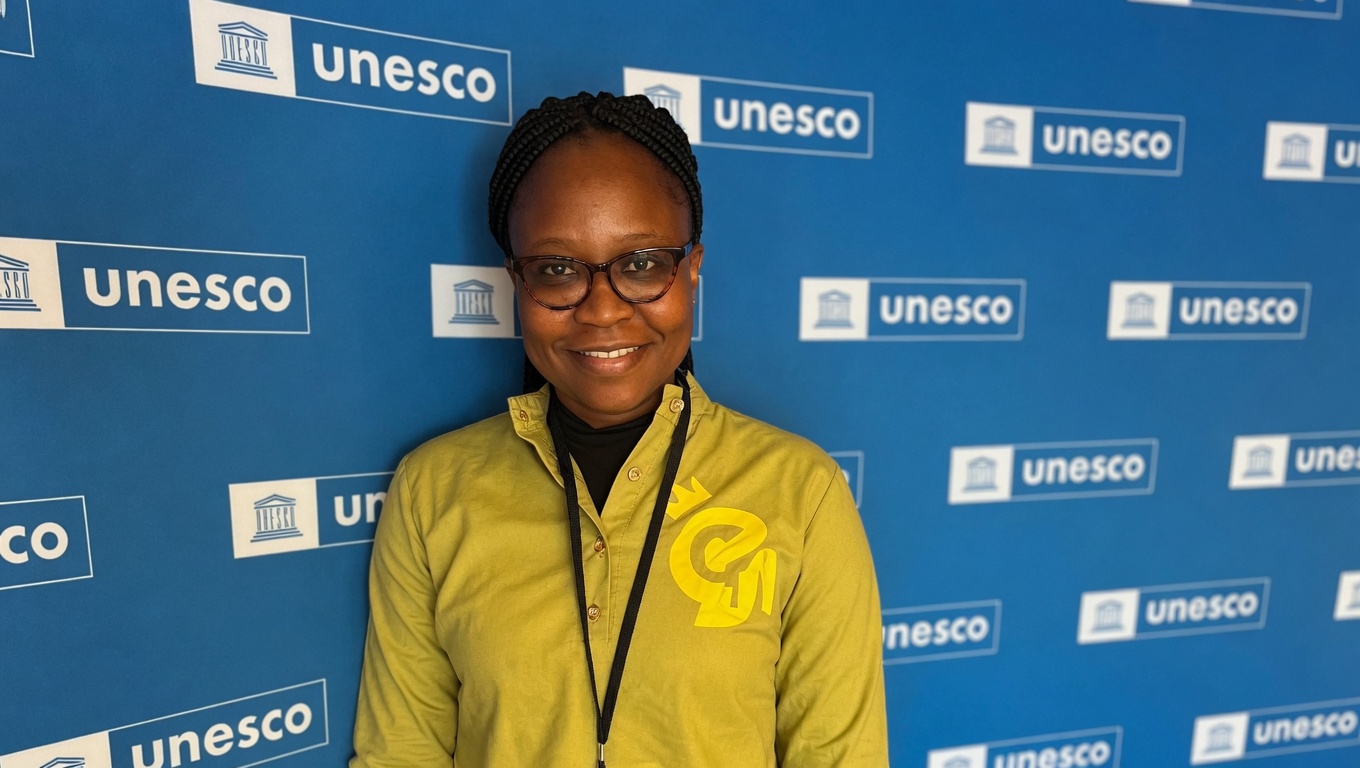
In the bustling port city of Cotonou, a Beninese startup is redefining the boundaries of innovation. Led by chemical engineer Marielle Agbahoungbata, SSaFE has developed a groundbreaking AI-powered filtration robot designed to turn contaminated water into a valuable resource, all while communicating in local languages.
Watt Air: the smart filter that thinks for itself
The robot, named Watt Air, is no ordinary machine. It functions as a compact laboratory, equipped with artificial intelligence that not only assesses water purity but also autonomously determines the appropriate treatment method. Depending on detected contaminants, the system decides whether the water is suitable for irrigation, laundry, or human consumption—without human intervention.
« This technology eliminates guesswork and maximizes efficiency,» explains Agbahoungbata. « The AI calculates the exact amount of reagents needed, ensuring precision that minimizes waste and energy consumption—critical in a region facing severe water stress.»
bridging the literacy gap with voice technology
The brilliance of Watt Air lies not just in its technical prowess but in its accessibility. Designed for rural communities where formal education is often a luxury, the robot incorporates a multilingual voice assistant. Whether a user speaks Fon, Bambara, Swahili, or Wolof, the machine responds seamlessly, making water recycling possible for those who have never set foot in a classroom.
« A mother in a remote village can now recycle water from her laundry at home, guided entirely by voice prompts,» Agbahoungbata emphasizes. « The AI adapts to her, not the other way around. That’s the true power of inclusive innovation.»
sèmè city: where science meets local needs
The development of Watt Air is rooted in the innovation hub of Sèmè City, located in Cotonou. Thierry d’Almeida, general director of the city’s research institute, highlights the importance of collaboration between mathematicians and chemists in addressing Benin’s unique challenges.
Backed by a $30,000 UNESCO grant, the project exemplifies how homegrown solutions—crafted with deep local insight—can tackle continental problems more effectively than imported alternatives.
a 2027 launch on the horizon
Though still in prototype phase, SSaFE has set a bold target: commercial deployment by 2027. The startup is actively seeking partners and investors to transition from lab to household, ensuring that this life-changing technology reaches those who need it most.
As Agbahoungbata points out, true technological advancement must do more than impress—it must empower. « Water treatment should be accessible to all, regardless of language, literacy, or location.» In Cotonou, that vision is becoming a reality.