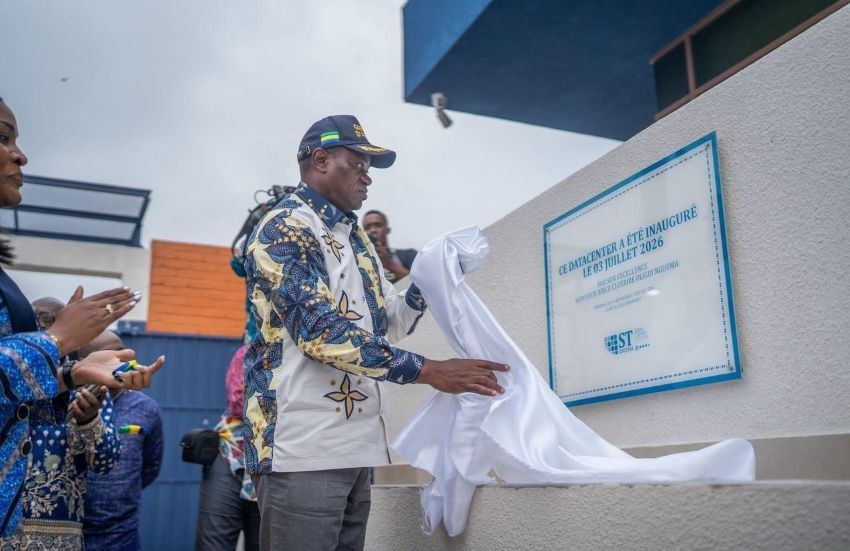
Gabon launches sovereign data center to boost digital sovereignty
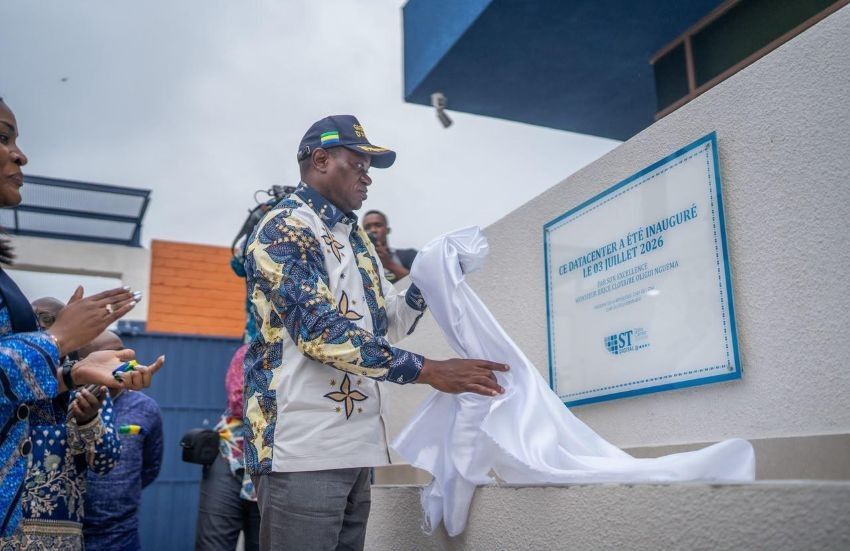
Libreville, July 6, 2026 — Gabon has taken a decisive step toward economic transformation by unveiling its first national sovereign data center. This milestone represents far more than technological progress; it signals the country’s strategic shift toward data sovereignty, national security, and economic competitiveness.
The inauguration in Nkok, within the Special Economic Zone that has emerged as Gabon’s premier industrial hub, saw President Brice Clotaire Oligui Nguema underscore a bold political vision. His actions reflect Gabon’s ambition to carve out a leadership role in Africa’s digital economy.
Data sovereignty: the new currency of power
In an era where data has become one of the most valuable resources of the 21st century, its hosting and control are now central to national strategies. For years, much of Africa’s public and private data has been stored abroad, exposing countries to technological dependence and cybersecurity risks. Gabon’s new Tier III-certified data center, built by ST Digital, changes the game by enabling government agencies, businesses, and institutions to securely host their data within national borders.
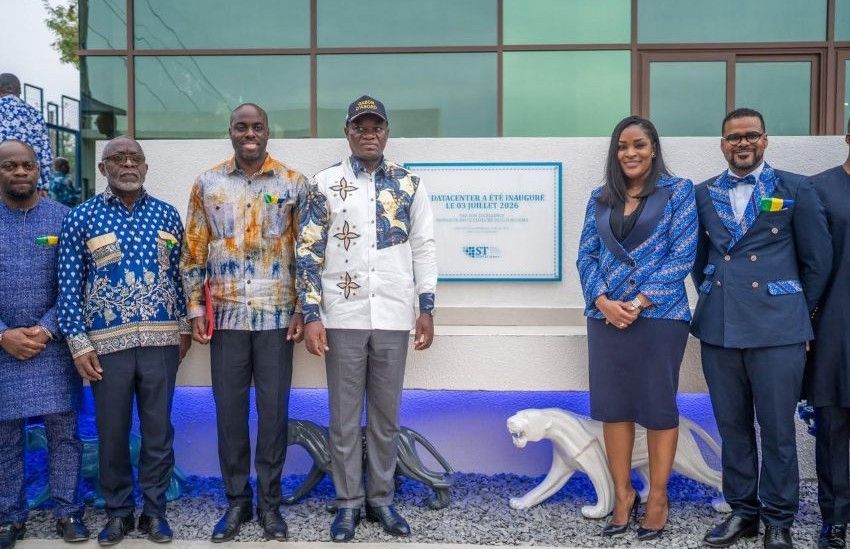
This infrastructure is a game-changer for state modernization, promising enhanced digital services, stronger protection of critical information, and greater resilience during crises. The event also featured a partnership agreement between ST Digital and the Ministry of Digital Economy, aimed at accelerating public sector digitization, strengthening national tech infrastructure, and fostering an innovation-driven economy.
Nkok: a symbol of Gabon’s economic ambitions
The choice of Nkok is strategic. This Special Economic Zone has evolved into Gabon’s primary industrial powerhouse, transitioning from timber processing and metallurgy to hosting a cutting-edge national data infrastructure. This shift underscores Gabon’s evolving economic model—one that no longer relies solely on natural resource extraction but seeks to create value through services, technology, and knowledge-based industries.
Spanning over 3,000 square meters, the data center integrates state-of-the-art technology and meets rigorous environmental standards. Powered partially by solar energy and equipped with water-free cooling systems, it aligns with the sustainability expectations of international investors. This blend of technological excellence and eco-responsibility could further enhance Gabon’s appeal to digital enterprises, cloud service providers, fintechs, and AI innovators seeking reliable African infrastructure.
A continental race for digital dominance
The inauguration coincides with a growing competition among African nations to attract digital investment. Governments across the continent are prioritizing data infrastructure, recognizing that the next economic revolution will be won as much in server rooms as in ports, mines, or factories. For Gabon, the stakes extend beyond technology: it’s about building an ecosystem that generates skilled jobs, retains local talent, and nurtures a new generation of digital entrepreneurs.
This infrastructure paves the way for more efficient public services, a more connected administration, and deeper tech integration across key economic sectors. More than a technical achievement, Libreville’s new data center embodies a clear vision: a state determined to control its data, secure its digital future, and emerge as a key player in Central Africa’s digital economy. In a world where data rivals natural resources as a source of power, Gabon has just entered a silent but strategic battle—one that could reshape its economic trajectory and regional influence for decades to come.