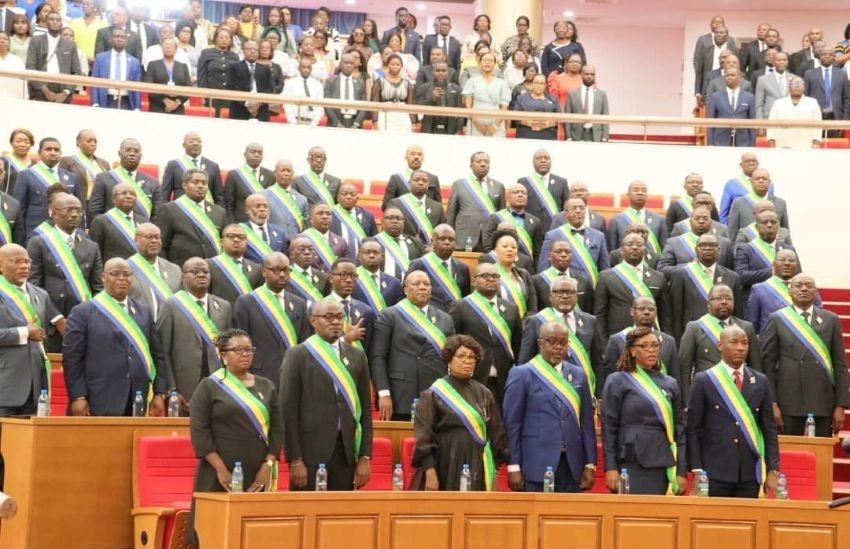
Gabon’s National Assembly establishes its authority in the new republic
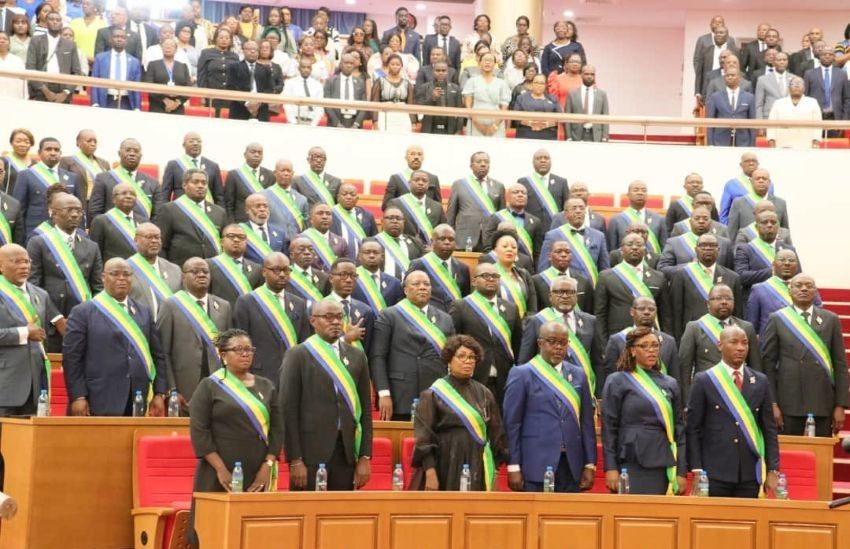
Libreville — Four months after its inauguration under the framework of the Vth Republic, the National Assembly of Gabon has concluded a legislative session that stands as a defining moment in the country’s modern institutional history.
Gathered at the Palais Léon-Mba on Tuesday, deputies officially closed the first ordinary session, traditionally known as the “session of laws.” This adjournment signifies more than just the end of a parliamentary cycle; it marks the rise of a Parliament determined to act as a cornerstone in the national reconstruction efforts initiated since August 30, 2023.
Led by Speaker Michel Régis Onanga M. Ndiaye, the assembly reported a productive term characterized by active diplomacy and a clear mandate to protect legislative authority against an executive branch with broad reform goals. This session raises a vital question for the future of the nation: what kind of institutional balance will the new Gabonese Republic strike between government efficiency and democratic oversight?
A foundational session for the Vth Republic
The closing ceremony was attended by the highest echelons of the state, including the Vice President of the Government, constitutional institution heads, cabinet members, the diplomatic corps, and various civil and military leaders.
This session carried significant weight as the new institutions established by the Vth Republic’s Constitution continue to take shape. During his address, the Speaker of the National Assembly provided a comprehensive breakdown of the legislative work completed. Out of 33 proposed texts, 23 were scrutinized and passed. These laws are expected to directly influence the daily lives of citizens while supporting the implementation of the nation’s new institutional architecture.
Beyond the quantity of legislation, Michel Régis Onanga M. Ndiaye emphasized the political weight carried by the deputies. He noted that their duty extends beyond merely voting on laws; they are tasked with refining, amending, and, when necessary, returning proposals to the government to ensure the general interest is served.
This assertion of autonomy suggests a shift in Gabonese parliamentary dynamics. The current Assembly appears focused on shedding the image of a “rubber stamp” institution, a criticism often leveled at legislative bodies across the continent.
Challenging the use of executive ordinances
A pivotal moment during the closing remarks was the caution directed toward the government regarding the use of ordinances. While acknowledging their constitutional validity, the Speaker argued that such instruments should be strictly reserved for genuine emergencies. This stance serves as a firm defense of the necessity for parliamentary deliberation.
This position comes at a time when the executive’s rapid reform agenda often seeks accelerated procedures. However, for the leadership of the Assembly, administrative speed must not eclipse democratic debate. The message delivered was unambiguous: the success of the Vth Republic depends as much on the transparency of the process as it does on the quality of the reforms themselves.
Oversight and national priorities
The National Assembly also highlighted its commitment to institutional dialogue and international engagement. A major highlight of the session was the Parliamentary Congress held on June 15, where President Brice Clotaire Oligui Nguema delivered his first State of the Nation address to both chambers.
During that address, the Head of State outlined critical priorities, including the settlement of back pay, the reimbursement of Poste SA savers, the expansion of social safety nets, the overhaul of the SEEG, and the modernization of transport infrastructure.
As this first ordinary session concludes, the National Assembly has signaled that the Vth Republic will not be shaped by executive action alone. Its progress will rely on the ability of different branches of government to communicate, check one another, and remain accountable to the public. While the session has ended, the long-term work of governance is only beginning, with results serving as the ultimate measure of these institutional shifts.