Gabon sets global standard with FSC-certified national parks
Libreville, July 1, 2026 — As global climate priorities reshape economic and environmental strategies worldwide, Gabon is taking decisive steps to elevate its conservation efforts. The country is now pursuing Forest Stewardship Council (FSC) certification for all 13 of its national parks, positioning itself at the forefront of sustainable environmental governance.
This bold initiative transcends mere technical compliance. It reflects a sweeping vision to transform Gabon’s protected areas into a globally recognized benchmark—one that harmonizes biodiversity preservation, sustainable development, and access to green financing. Spearheaded by the National Agency for National Parks (ANPN), the project aligns Gabon with a growing global movement that views natural ecosystems not just as heritage to safeguard, but as strategic assets in the fight against climate change and the transition to greener economies.
Certification as a pillar of environmental credibility
The ANPN recently convened representatives from FSC Africa and project consultants to outline the certification pathway. This foundational meeting aimed to align expectations around international standards, clarify institutional roles, and establish operational frameworks for field implementation. While FSC certification is traditionally associated with sustainable forestry, extending it to protected areas sends a powerful signal of intent.
The process demands rigorous adherence to governance benchmarks, resource management transparency, community engagement, and ecosystem preservation. For Gabon, this certification is more than a badge of honor—it’s a strategic asset. As investors and financial institutions increasingly prioritize Environmental, Social, and Governance (ESG) criteria, certified natural spaces become a competitive advantage in securing international funding and partnerships.
From biodiversity to economic leverage
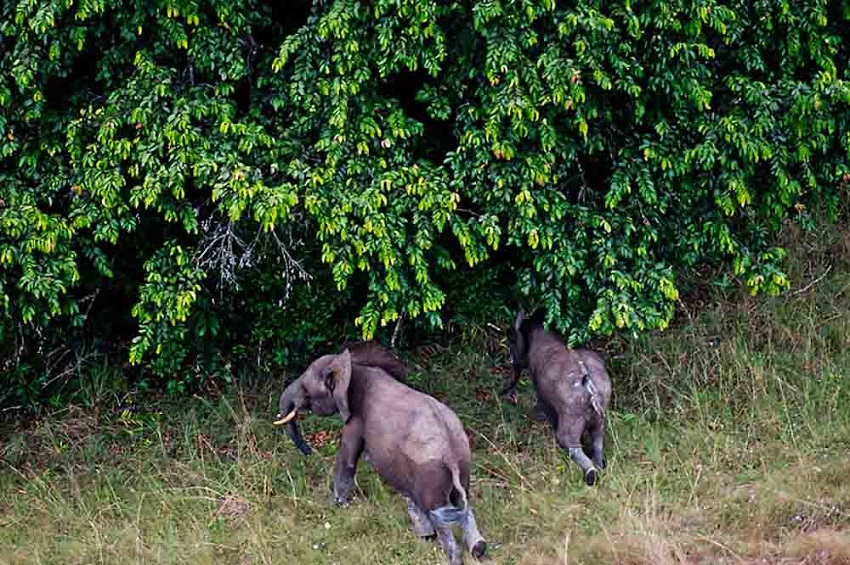
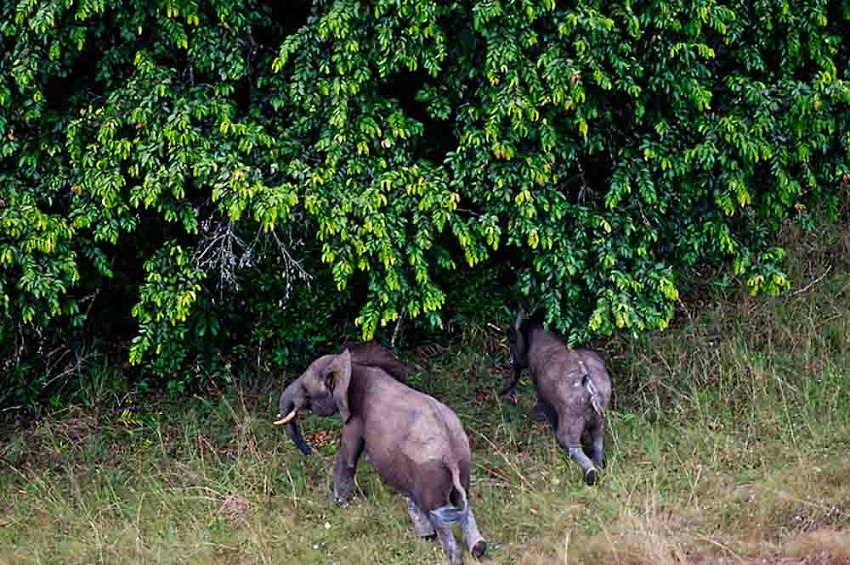
Gabon’s national park network spans nearly 11% of the country’s land, hosting some of Africa’s richest biodiversity hotspots. From forest elephants to gorillas and countless endemic plant and animal species, these protected areas are ecological treasures. But the certification effort isn’t just about conservation—it’s about unlocking their economic potential within sustainable frameworks.
Discussions with FSC Africa have centered on monitoring mechanisms, protected area evaluation tools, and the monetization of ecosystem services. This modern concept recognizes that forests, wetlands, and protected zones generate tangible economic value through carbon sequestration, climate regulation, water resource protection, and ecotourism development. Certification acts as a gateway to international financing mechanisms designed to bolster conservation policies.
A continental leadership role
Beyond national ambitions, Gabon is staking its claim as a regional pioneer. By certifying all 13 national parks under FSC standards, the country joins an elite group of African nations redefining environmental governance. This strategic pivot coincides with a continental shift toward modernizing conservation models to meet international commitments under the Paris Agreement and global biodiversity targets.
The ANPN-FSC partnership signals a new era in Gabon’s protected area management—one that enhances conservation effectiveness while boosting the country’s appeal to global partners. In an era where natural resources are becoming a geopolitical chessboard, Gabon appears to have recognized that its biodiversity is one of its greatest strategic assets. By aligning its national parks with the world’s most stringent environmental standards, the country is not only safeguarding its natural heritage—it is building a foundation for environmental diplomacy that could turn conservation into a driver of influence, financing, and sustainable growth.