For too long, the conversation surrounding Gabon’s persistent water and electricity struggles has focused almost entirely on the symptoms. Citizens have endured constant power outages, dry taps, and the resulting social frustration. Yet, a critical question remained ignored: were the technical experts—those who actually manage the grids and infrastructure—ever given a seat at the table?
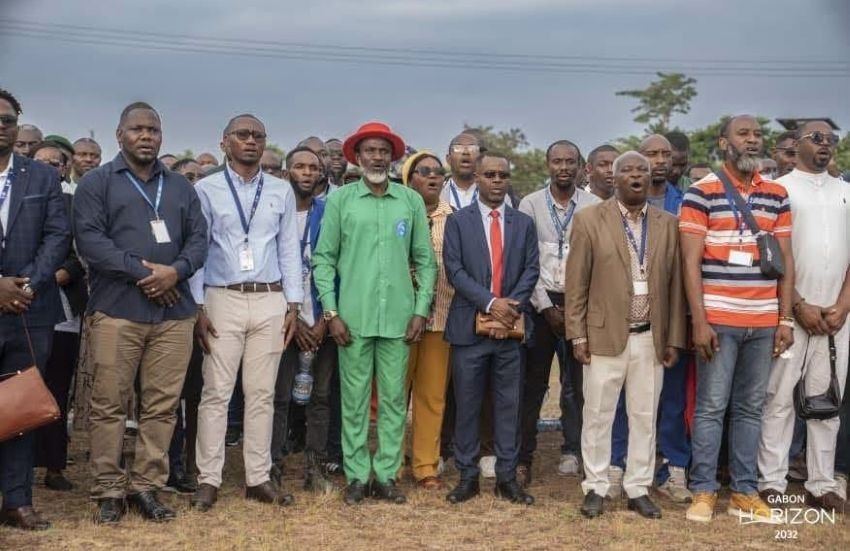
A significant shift occurred this week in Owendo. President Brice Clotaire Oligui Nguema held a marathon three-hour session with SEEG employees at the Jean Violas Vocational Training Center. This meeting may represent a defining moment in addressing the national utility crisis, as the head of state chose to listen directly to the men and women facing these challenges on the front lines.
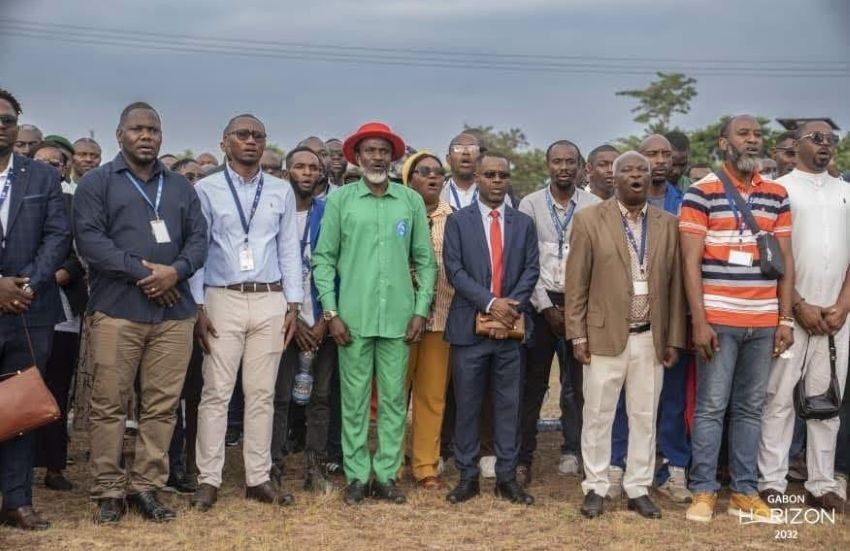
The feedback from these professionals was clear. While aging equipment is a factor, a more systemic issue has been the gradual exclusion of technical expertise from the decision-making hierarchy. When engineers are silenced, the entire network suffers.
Technicians reclaim their role in the diagnosis
During the discussions, the consensus among staff was that their warnings have often gone unheeded. Technicians identify looming risks and propose practical fixes, but these recommendations frequently vanish during high-level administrative or financial deliberations.
This disconnect is not unique to Gabon, but its consequences here are severe. In the world of industrial management, history shows that when administrative priorities overshadow technical requirements, systems eventually collapse. Whether it is the well-documented struggles of global aviation giants or the success of automotive leaders who prioritize engineering, the lesson is the same: expertise must drive strategy.
From electricians to maintenance specialists, the message to the President was identical. A system where the people who understand the machinery are not part of the leadership chain is a system destined for failure.
The water challenge: design over production
The dialogue also shed light on technical realities that the public rarely sees. Regarding the water crisis, experts clarified that the issue isn’t just about old pipes. Hydraulic pressure is the invisible culprit. When water volumes drop, the pressure fails, leaving higher-altitude neighborhoods and upper floors of buildings completely dry.
This problem intensifies during the dry season. Currently, the primary source at the Ntoum river is highly susceptible to seasonal flow reductions, which cripples the distribution network.
This has sparked a strategic debate: why not pivot toward the Kango river? Its water levels are significantly more stable and abundant throughout the year. While such a transition would require massive capital investment, it aligns with the type of transformative infrastructure Gabon needs to support its growing population.
Reform depends on technical competence
The upcoming establishment of the Gabonaise des Eaux and the Électricité du Gabon offers a rare chance for a total reset. This is a historic opening to rebuild two vital pillars of the nation from the ground up.
However, new equipment and funding will not be enough. The real test of this transformation will be whether technical skills are restored to the heart of management. The direct exchange between President Brice Clotaire Oligui Nguema and the workforce proved that the solutions are already present within the organizations.
The ultimate takeaway from the Owendo meeting is that the successors to the SEEG must rely on their engineers and specialists. While the state can provide the money for infrastructure, only technical mastery and a deep understanding of the field can ensure a reliable public service. This is the most vital lesson Gabon can learn as it navigates its energy and water transition.