Gabon under scrutiny: the critical test of governance and transparency
Libreville, July 1, 2026 — As the fight against corruption increasingly defines a nation’s credibility among investors, international partners, and citizens, Gabon finds itself this week under the global spotlight. The stakes couldn’t be higher.
Since June 29 in Libreville, the country is hosting the evaluation mission for the second cycle of the United Nations Convention against Corruption (UNCAC) peer review mechanism. What appears to be a routine technical exercise carries profound political, economic, and institutional implications that extend far beyond administrative formalities.
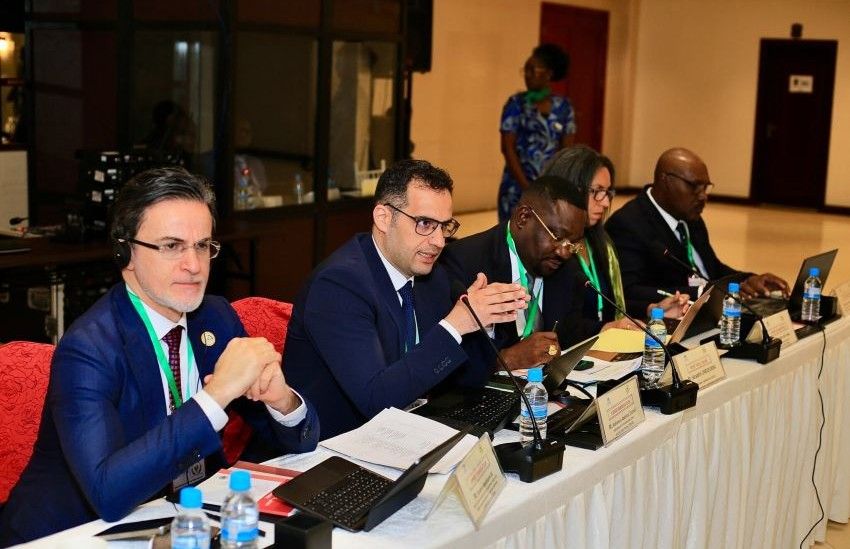
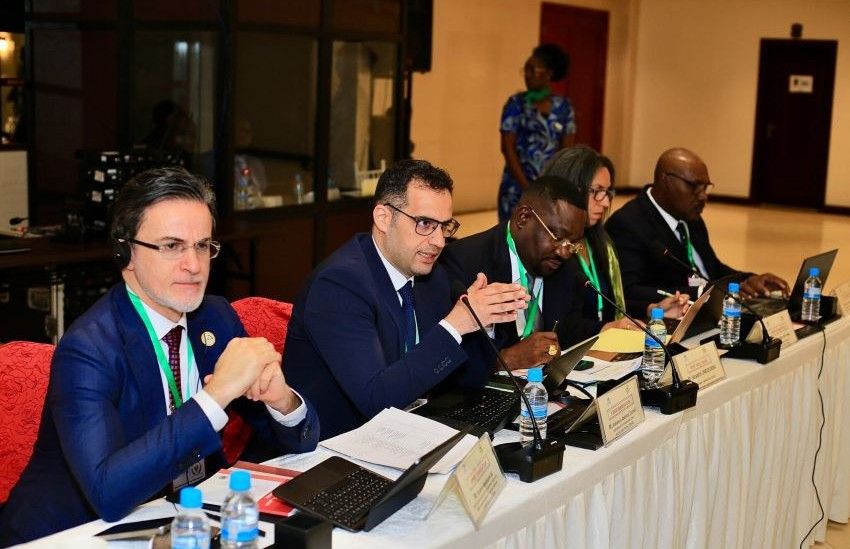
Over three intensive days, experts from the United Nations Office on Drugs and Crime (UNODC), alongside senior officials from Gabonese institutions and specialists from Chad and Libya, are meticulously examining the nation’s anti-corruption frameworks. Their focus spans prevention mechanisms, financial tracking systems, international cooperation protocols, and asset recovery processes. The ultimate goal is to assess Gabon’s genuine capacity to convert international commitments into tangible outcomes.
More than just a diplomatic ritual
Inaugurated at the Boulevard Hotel in Libreville, this mission marks a pivotal milestone in Gabon’s broader public governance modernization drive. The assessment covers every facet of corruption prevention: financial transparency tools, inter-institutional coordination, judicial collaboration, and mechanisms targeting illicit enrichment.
Séraphin Ondoumba, Gabon’s UNODC focal point and a member of the National Commission to Combat Corruption and Illicit Enrichment (CNLCEI), emphasized that this exercise offers a dual opportunity: to showcase progress while pinpointing remaining gaps. For the international team, the evaluation transcends mere procedural checks. Their core inquiry revolves around Gabon’s ability to foster a sustainable culture of public integrity and ensure rigorous management of national resources.
This scrutiny arrives at a critical juncture when global transparency standards have become pivotal to economic attractiveness. Investors, development partners, and financial institutions now weigh governance quality as heavily as a nation’s economic potential when making decisions.
Governance as the backbone of national transformation
The discussions have illuminated the sweeping reforms implemented since President Brice Clotaire Oligui Nguema’s administration took office. Key priorities include corruption eradication, public expenditure rationalization, administrative control strengthening, and revenue collection modernization.
Hermann Immongault, Vice-President of the Government, framed this mission within a wider strategy to solidify transparency, administrative accountability, and alignment with international benchmarks. The digital overhaul of administrative and financial procedures underscores this vision. At its core lies a fundamental challenge: slashing opacity margins, securing public revenues, and enhancing financial operation traceability.
The evaluation also scrutinizes the CNLCEI’s operations, civil servant training programs, public awareness initiatives, and internal control systems across government departments.
Institutional credibility under the microscope
Beyond the final report expected on Wednesday, this mission represents a decisive credibility test for Gabon’s institutions. In today’s international climate of escalating transparency demands, nations that successfully demonstrate effective governance mechanisms bolster their economic appeal and diplomatic influence.
Gabon appears to grasp that corruption eradication is no longer merely a matter of public ethics—it has evolved into a national competitiveness factor. Institutional quality now determines investor confidence, policy effectiveness, and a country’s capacity to mobilize essential development financing.
The recommendations emerging from this assessment should highlight necessary adjustments to consolidate progress and address persistent weaknesses. Yet the ultimate challenge will lie in implementation.
In modern economies, good governance has transitioned from rhetoric to strategic infrastructure—equally vital as roads, ports, or energy systems. For Gabon, this week’s evaluation transcends a mere international audit; it serves as a litmus test for its ability to construct a more transparent, efficient, and globally credible state.