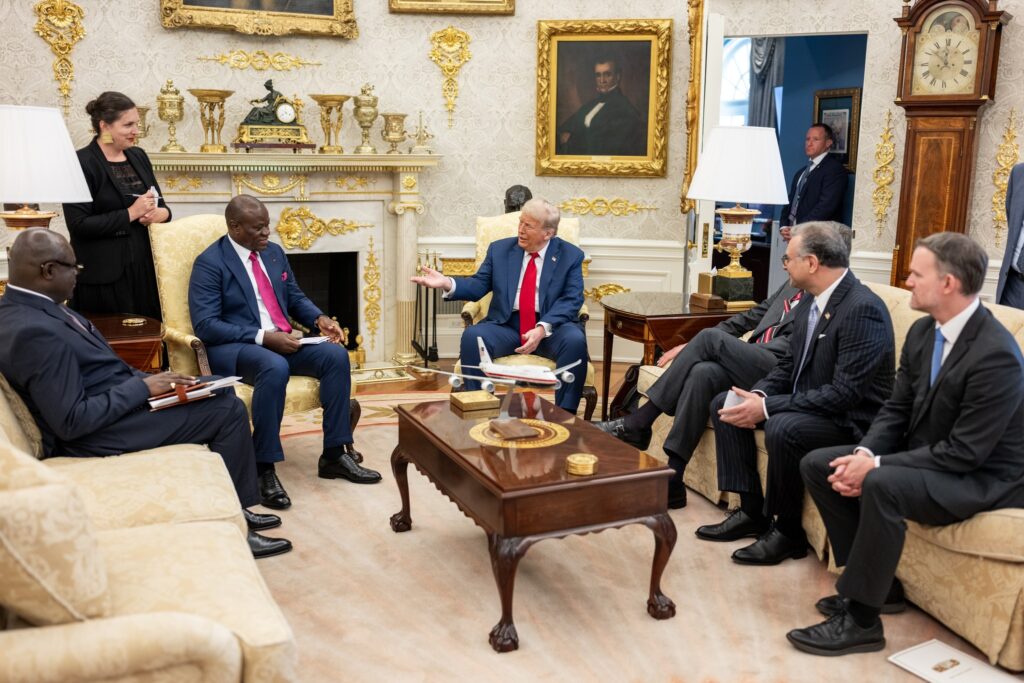
Gabon stands firm against Trump’s migrant relocation plan
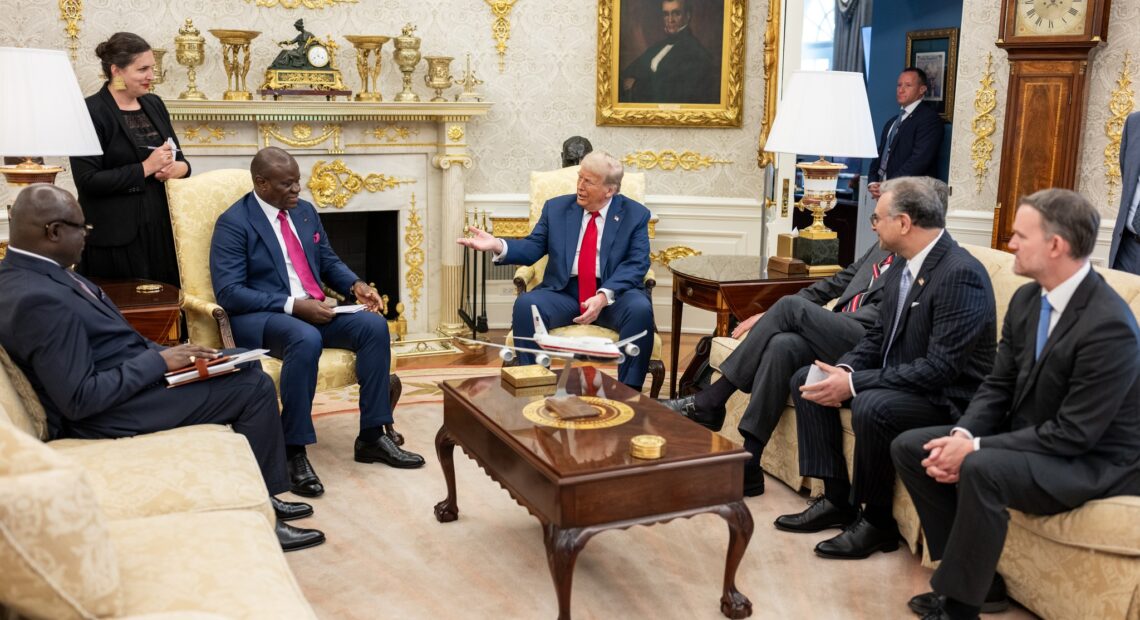
Libreville, June 4, 2026 — By rejecting a proposal from the United States to accept deported migrants on Gabonese soil, President Brice Clotaire Oligui Nguema has sent a powerful political message that extends far beyond the realm of migration policy.
The decision, disclosed during an international media appearance, underscores a bold reaffirmation of national sovereignty and signals a shift in Gabon’s diplomatic approach. Libreville is increasingly prioritizing national interests while maintaining balanced relations with global powers.
Addressing the proposal directly, President Oligui Nguema made his position unambiguous. “We did not reach an agreement on this matter. I have not accepted these migrants in Gabon. I say this with complete transparency. Gabon is not prepared to sign an agreement that does not serve our interests. The decision is final,” he stated.
This stance emerges against a backdrop of intensified migration policies in Western nations, particularly the United States under Donald Trump’s administration. Washington has actively sought partner countries willing to accept certain categories of deportees, prompting international debate on the outsourcing of migration management.
Migration management: a global challenge
The past decade has seen migration management evolve into one of the most pressing geopolitical challenges worldwide. Europe, North America, and emerging economies have increasingly looked to third-party countries to handle migration flows, often through relocation agreements.
Several African nations have entered into such arrangements, with Rwanda notably signing multiple deals to host migrants relocated from the United Kingdom. Discussions have also taken place with other African states, though none have matched the scale of these initiatives.
Gabon’s refusal to participate places it in a distinct category, sending a clear signal about its diplomatic priorities. Yet, the decision does not signal a rupture with Washington. In fact, President Oligui Nguema took care to emphasize the strength of Gabon-US relations, even humorously referring to Donald Trump as “my red-tie friend.”
The message is nuanced but unmistakable: cooperation continues, but Gabon’s national interests remain non-negotiable.
Sovereignty as the guiding principle
This move aligns with a broader trend in Gabonese policy. Recent decisions—from local manganese processing initiatives to renegotiated economic agreements and the return of the Camp de Gaulle military base—reflect a clear commitment to asserting national sovereignty.
Accepting relocated migrants would have introduced significant administrative, social, security, and financial challenges, the full impact of which remains difficult to predict. With Gabon engaged in sweeping economic and social modernization efforts, the government’s focus remains firmly on domestic priorities.
The decision also resonates with widespread sentiment across Africa. Many on the continent view the outsourcing of Western migration issues as unsustainable and inequitable, arguing that African nations should not serve as relocation zones for the challenges of other regions.
A diplomacy of balance
The true significance of this episode may lie in the manner of Gabon’s refusal. By publicly rejecting the proposal without resorting to confrontation, Libreville has demonstrated that it is possible to push back against a major power’s demands while preserving diplomatic respect and dialogue.
This approach contrasts sharply with other global scenarios where migration disputes have escalated into open political conflicts. By maintaining a firm but measured stance, President Oligui Nguema reinforces the image of a sovereign state that defends its interests without escalating tensions.
For international observers, this decision reflects a broader evolution in Africa’s engagement with global powers. Partnerships and cooperation remain essential, but African states are increasingly asserting their autonomy in negotiations, demanding greater agency in shaping agreements that impact their futures.
Beyond migration, the message from Libreville is unequivocal: Gabon remains open to the world, but it will not permit its future to be dictated from abroad. In an era of growing global fragmentation, this assertion of sovereignty may well define Gabon’s diplomatic identity in the years ahead.