The Gabonese government has embarked on a sweeping public service reform by separating water and electricity management into distinct entities. On June 25, 2026, the Council of Ministers approved two new laws establishing Gabonaise des Eaux and Électricité du Gabon, both structured as mixed-economy companies tasked with overseeing potable water and electricity, respectively.
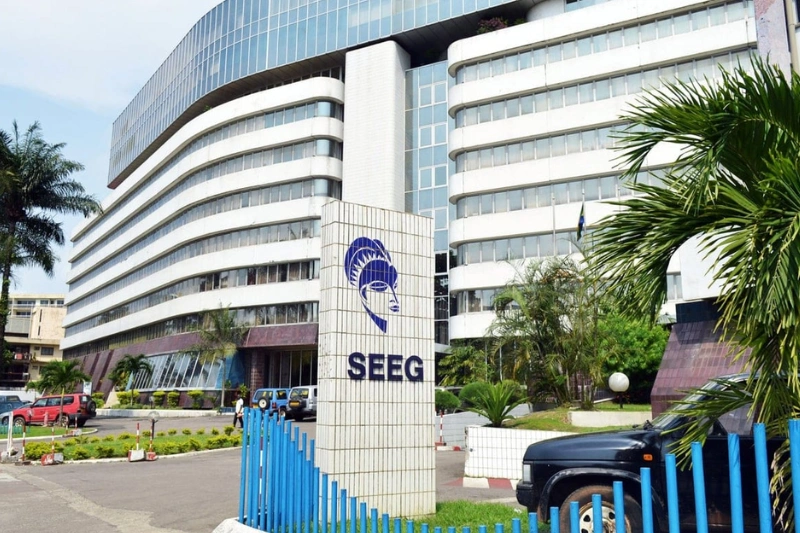
This strategic move marks the end of the integrated model previously operated by the Société d’énergie et d’eau du Gabon (SEEG). By assigning specialized roles to each new entity, the government aims to streamline responsibilities, enhance governance, and attract greater investment. While Gabon takes this initiative, it aligns with a broader trend sweeping across Africa. Senegal has similarly divided its utilities, assigning water management to Sen’Eau and electricity to Senelec. In Côte d’Ivoire, the SODECI and CIE handle these sectors independently, while Morocco’s ONEE has restructured its operations into autonomous branches for better financial and investment oversight.
—
Historical data reveals that such sectoral specialization has consistently delivered tangible benefits. Clearer accountability, stronger governance frameworks, and more favorable conditions for sustainable service improvements have been observed in every country that adopted this approach. For the SEEG, this reform offers a fresh start, promising to distance itself from past operational challenges and deliver more reliable services to the public.