Gabon: Oligui Nguema’s bold stance on truth in governance
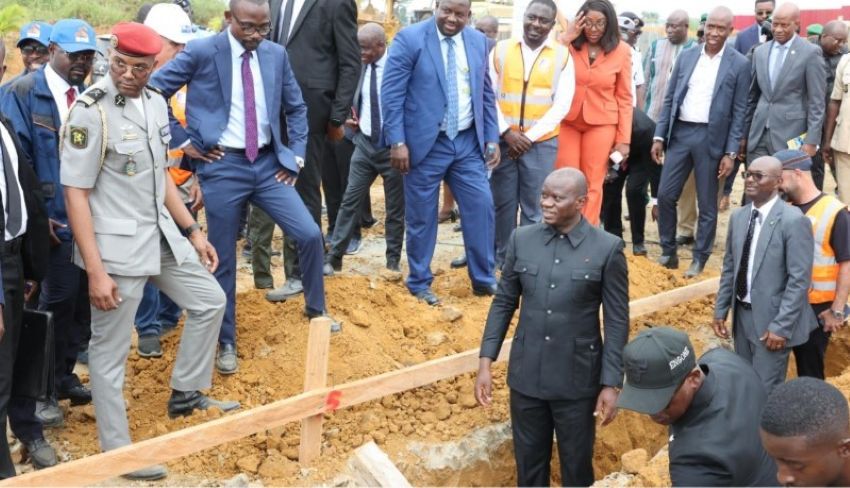
Libreville, June 3, 2026 — In a political climate often marked by cautious public discourse, Gabonese President Brice Clotaire Oligui Nguema has sparked fresh debate by emphasizing a core principle of democratic leadership: the unfiltered truth between citizens and their government.
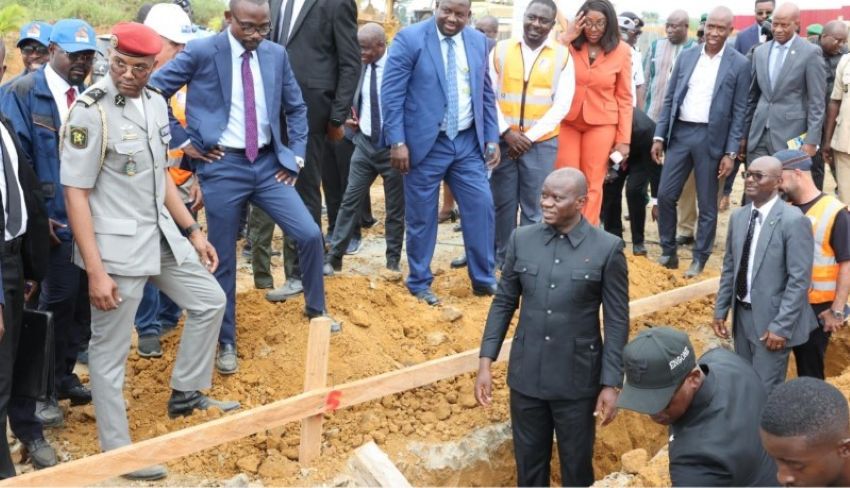
During the inauguration of 3,100 new housing units in Bikélé, the Head of State addressed journalist Chamberlain Moukouma with a message that challenged conventional political norms. He argued that leadership demands more than mere applause—it requires honest feedback to correct public action when necessary. This stance transcends political rhetoric, embodying the very essence of democratic accountability.
Breaking free from the culture of unquestioning support
By declaring that he welcomes criticism—not just celebration—when his actions fall short, President Oligui Nguema signals a deliberate departure from a political tradition where power is rarely scrutinized. His words underscore a rare institutional commitment to self-correction as a governance tool.
In this framework, relentless applause is no longer a sign of political vitality but a potential blind spot. The President implicitly advocates for a shift in the relationship between leaders and citizens, one built on transparency and shared responsibility. This vision rejects the notion that national progress can thrive on complacency, instead demanding a clear-eyed assessment of both achievements and shortcomings.
Criticism as a cornerstone of national development
The President’s remarks reframe constructive criticism not as opposition, but as a civic duty essential to the public interest. His perspective transforms public debate from a battleground of confrontation into a collaborative space for continuous improvement.
A mature society, in his view, balances recognition of progress with the courage to highlight failures, thereby enhancing the quality of governance. However, this approach requires a cultural shift: citizens, social actors, and the media must embrace objectivity, responsibility, and a shared commitment to the common good. Criticism is no longer an end in itself but a lever for refining public policies.
Redefining political dialogue
Beyond the statement, President Oligui Nguema’s words signal a broader philosophy of governance—one rooted in active listening, where citizen feedback becomes a navigational tool for leadership. Under this model, national development is no longer dictated solely by top-down state decisions but shaped by continuous interaction between rulers and the ruled.
This dynamic demands a delicate balance: acknowledging progress while maintaining high standards of accountability. The interview conducted by Chamberlain Moukouma, widely shared on social platforms as a civic education tool, reinforces this vision of a more informed and responsible public sphere.
Ultimately, the President’s declaration invites Gabon to rebuild its political culture around three guiding principles: applaud when justified, criticize when needed, and always prioritize the nation’s higher interests. In an era where political posturing often overshadows substance, this call for shared truth emerges as a litmus test for democratic maturity—placing citizens not as passive observers, but as active contributors to their country’s progress.