
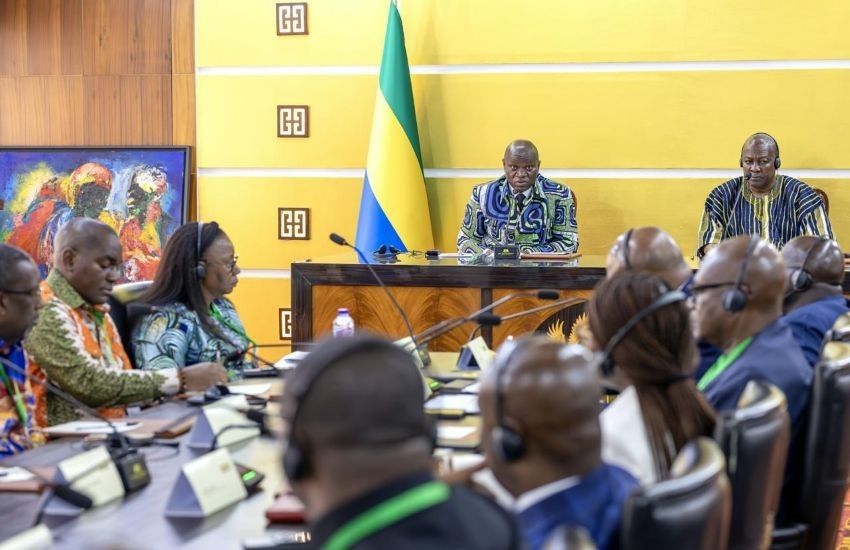
Gabon and Ghana strengthen economic ties with strategic partnership
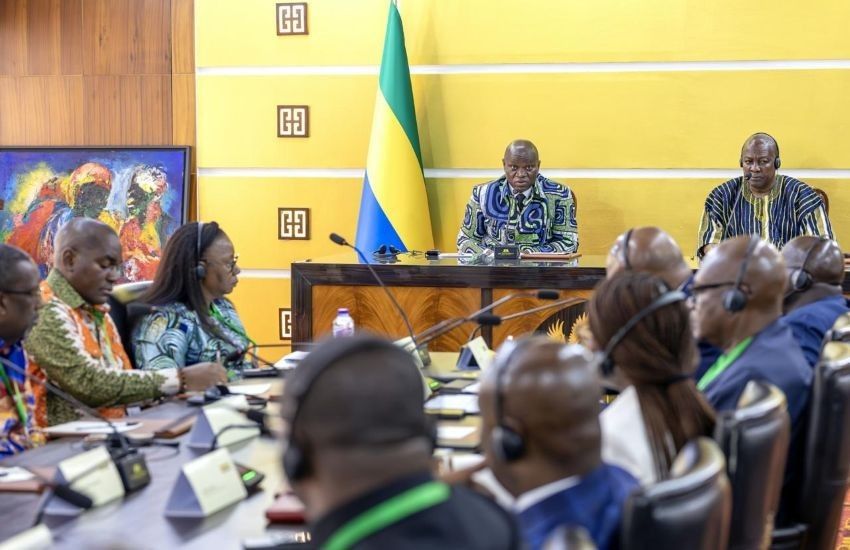
Libreville, Ghanaian leaders unite to drive intra-African economic growth.
In a bold diplomatic move, Gabonese President Brice Clotaire Oligui Nguema selected Accra for one of his first major international engagements following his election. This choice underscores a strategic pivot toward continental partnerships, where political relations are leveraged to spur economic growth, investment, and industrialization across Africa.
The official visit to Ghana highlights this evolving approach, positioning bilateral cooperation as both an economic catalyst and a strategic influence tool. Welcomed at the Ghanaian Presidential Palace by President John Dramani Mahama, the Gabonese leader emphasized complementary economic strengths during their discussions.
Ghana has emerged as one of West Africa’s most diversified economies, while Gabon seeks to accelerate local processing of its natural resources and enhance its economic appeal. Beyond diplomatic formalities, the two leaders held in-depth talks to outline a long-term partnership framework.
Partnerships built on tangible economic foundations
The collaboration focuses on key sectors identified as priorities for both nations. Mining, agriculture, fisheries, forestry, digital innovation, education, and local raw material processing dominate the agenda. The overarching goal is clear: moving beyond symbolic agreements to foster cross-border investments, strengthen African value chains, and generate employment.
This strategy aligns with President Oligui Nguema’s economic vision, which prioritizes diversification, skill transfer, and industrialization. Under this framework, diplomacy evolves from purely political engagement to a powerful tool for national development.
Two landmark agreements were finalized during the visit. The first establishes reciprocal diplomatic training programs to bolster institutional capacities in both countries. The second creates a permanent political consultation mechanism to align Gabon and Ghana’s positions in regional and global forums.
African diplomacy takes center stage
This visit reflects a broader shift in Africa’s international relations. Historically reliant on external partners, African nations are now prioritizing intra-continental economic exchanges. The Gabon-Ghana rapprochement embodies this trend, with both capitals emphasizing partnerships rooted in shared interests rather than aid-based models.
This approach could significantly boost intra-African trade, which remains far below potential compared to other global regions. The visit concluded with a symbolic gesture—a joint tree-planting ceremony. For two countries committed to environmental preservation, this act underscores how African cooperation can merge economic growth with climate action and green development.
From intention to action
The success of this partnership hinges on translating agreements into tangible outcomes. Signed accords must translate into concrete projects, investments, academic exchanges, industrial collaborations, and business opportunities for enterprises in both countries.
Beyond the Gabon-Ghana alliance, this diplomatic engagement signals a pivotal moment for African diplomacy. Amid global economic uncertainties, more African states are turning to their neighbors for growth, leveraging complementary strengths and expanding regional markets.
For Gabon, this marks a fundamental shift. International engagement no longer relies solely on traditional partners but increasingly on building African alliances that drive industrialization, innovation, and value creation on the continent. If this momentum continues, the Accra visit may be remembered as a cornerstone of a new era in African economic diplomacy—one where collaboration transcends dialogue to actively shape shared futures.
You may also like
-
BOAD backs Niger’s infrastructure with $105m loan amid governance challenges
-
Bénin: customs crack down on explosives trafficking in bold security move
-
Gabon electricity crisis: 20% drop in Q1 2026 production fuels infrastructure concerns
-
Gabon’s Electricity Crisis Deepens, Water Supply at Risk
-
Gabon and Ghana: A New Era of African Diplomacy