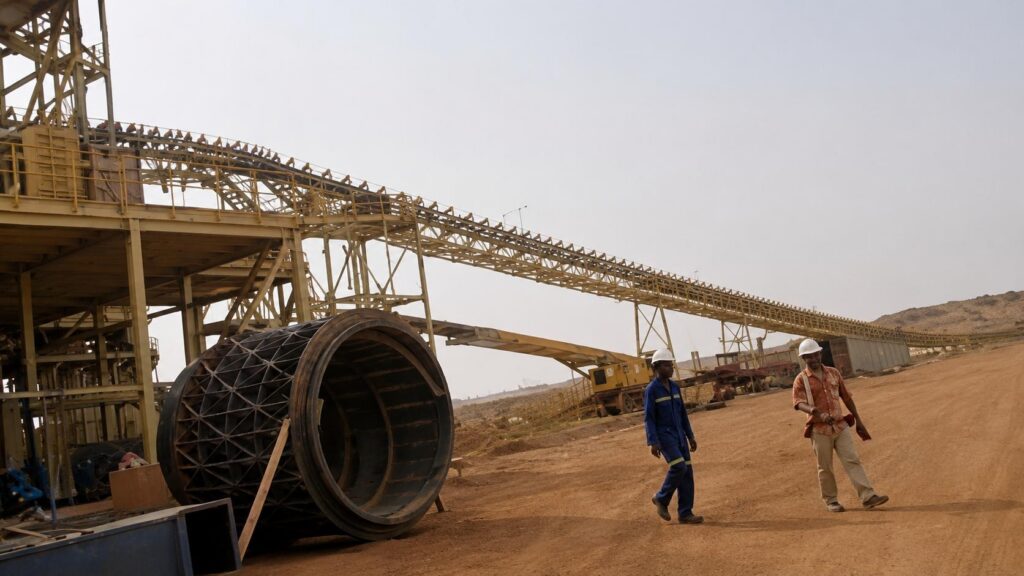
The Burkina Faso gold industry is undergoing a significant transformation as authorities push for greater control over the nation’s mineral wealth. Since launching the National Precious Metals Company (SONASP) in 2023 and initiating projects like the national gold refinery in Ouagadougou, the transitional government has made it clear: reclaiming the gold value chain is a top priority to strengthen economic independence.
While the first half of this year saw record volumes of gold—tens of tonnes—flowing through official channels, this bold strategy is not without challenges. Structural paradoxes and escalating geopolitical tensions are testing the limits of Burkina Faso’s ambitious vision for resource sovereignty.
Breaking old ties, facing new uncertainties
One cornerstone of the current mining policy involves reshaping international partnerships. By granting exploitation licenses to foreign firms—particularly Russian operators like Nordgold—the government aims to diversify its mining landscape and reduce reliance on traditional players.
Yet this pivot raises critical questions:
- New alliances, new dependencies: Replacing conventional partners with entities tied to specific geopolitical blocs could expose the country to fresh strategic vulnerabilities.
- Governance and oversight: The real test lies in whether institutions such as BUMIGEB and SONASP can enforce strict traceability and ensure that mining profits directly benefit local communities—especially amid worsening security conditions that threaten both artisanal and industrial operations.
A storm of speculation around gold reserves
Recent rumors about plans to transport or store a portion of Burkina Faso’s national gold reserves in the Russian Federation have sparked intense debate. Although the Ministry of Economy and Finance swiftly dismissed these claims as baseless, the controversy itself highlights the high stakes involved in managing a sovereign asset like gold:
- Financial fragility of outsourcing reserves: Depositing national reserves with a country under heavy international sanctions and global banking restrictions risks undermining liquidity and legal certainty for Burkina Faso’s assets.
- Undermining sovereignty through external custody: Gold serves as a nation’s ultimate financial safeguard. Entrusting it to a foreign entity amid geopolitical turbulence directly contradicts the stated goal of achieving ‘full sovereignty’ and full control over the resource.
Local processing, global stakes
The decision to refine gold domestically marks a symbolic milestone for Burkina Faso. Yet, behind the pride of national infrastructure lies a web of technical and economic hurdles:
- Supply chain integrity: Ensuring a steady flow of gold to the refinery requires cracking down on fraud in artisanal mining zones—many of which are plagued by insecurity.
- Real benefits for communities: The mining sector must evolve beyond mere revenue generation and create lasting jobs and local infrastructure development.
While the government’s push to rebalance mineral rents in favor of the state is understandable given national priorities, long-term sovereignty demands more than bold rhetoric. It requires robust transparency, strict internal safeguarding of national reserves, and the strengthening of domestic management systems—rather than exposing the nation’s gold to external geopolitical gambles.
You may also like
General Moussa Salaou Barmou: US military doctrine driving Niger’s special forces
Bénin’s Senate takes decisive step with 2027 budget adoption
SOCAR stakes claim in Côte d’Ivoire’s Baleine field: a game-changing move for Africa’s energy landscape
Benin’s airbadminton team seizes momentum with commanding 60-37 win over Algeria in Entebbe
Togo presses pause on press freedom as a reporter’s sidelining marks a decisive shift