Fighting sickle cell in Niger: early detection saves lives
What if a simple blood test before marriage could save a life? This question drives the urgent mission of the National Sickle Cell Reference Center (CNRD) in Niger.
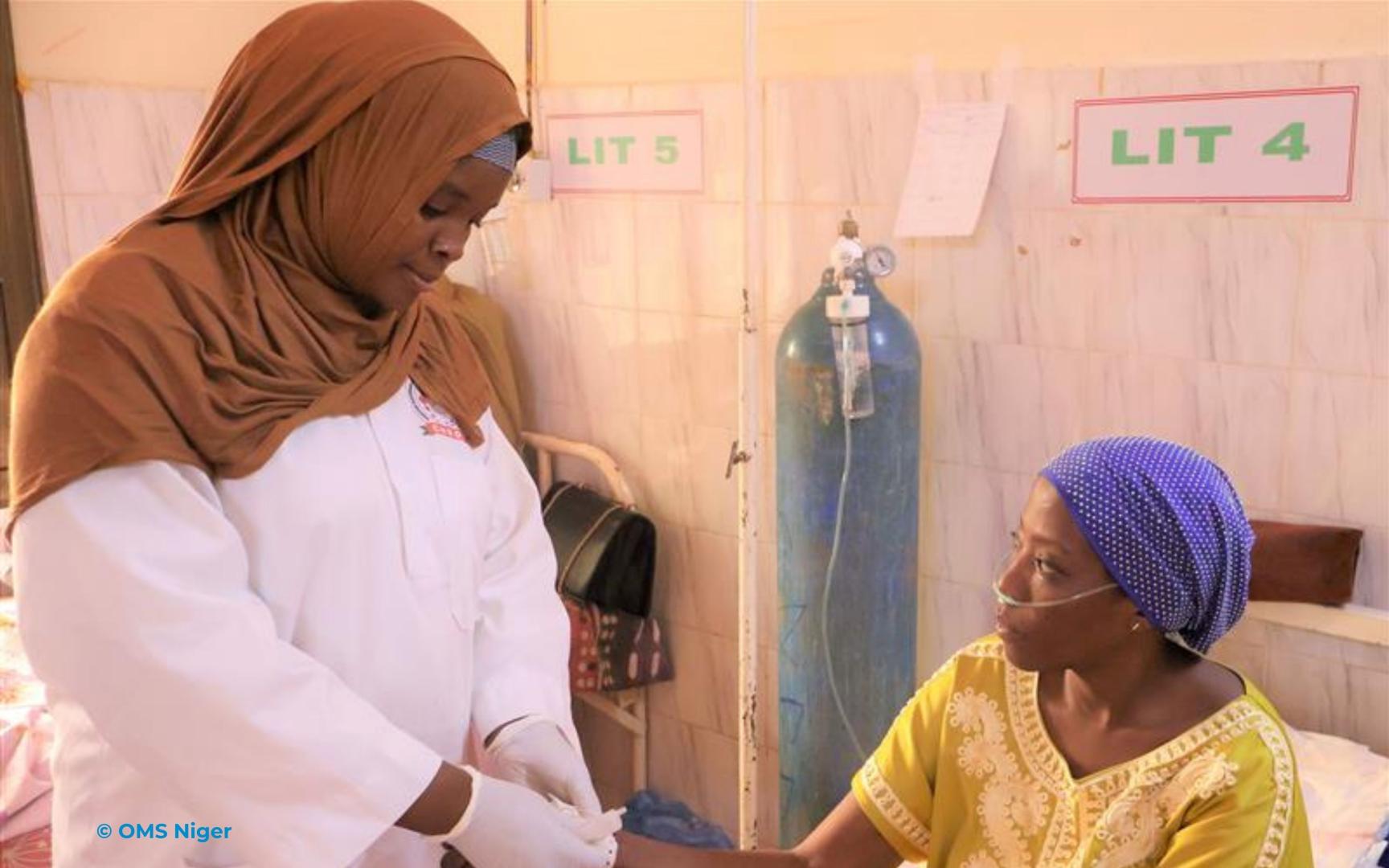
Dr. Mariam Boureima Djibo, director of the CNRD, shares a heartbreaking story: a parent, overwhelmed by poverty, was forced to abandon their child at the center because they couldn’t afford essential medication. This tragic case highlights the silent suffering of countless families and underscores the pressing need for stronger medical and social support systems.
Understanding sickle cell disease in Niger
Each year, thousands of children in Niger are born with sickle cell disease, a painful and often misunderstood genetic condition. While national data remains incomplete, alarming trends in multiple regions demand immediate action. The disease occurs when a child inherits the defective gene from both parents (homozygous SS form). The high prevalence of carriers—many unaware of their status—fuels the cycle of transmission. Preventive measures like pre-marital screening and genetic counseling are critical to breaking this chain. The CNRD is leading national efforts to promote these initiatives, empowering at-risk couples to make informed decisions.
Transforming lives through early detection
Dr. Mariam’s experience has cemented her belief that healthcare must be a universal right. This conviction has shaped the center’s strategy, focusing on advocacy for free medication, enhanced social assistance, and tailored support for vulnerable families. One standout initiative is a pilot neonatal screening program at the Issaka Gazobi Maternity Hospital. This program has enabled early identification of affected newborns, paving the way for timely and appropriate care.
Dr. Marie Ousseini, a pediatrician involved in the project, emphasizes the life-changing impact: « Detecting sickle cell disease in the first days of life gives these children a real chance to live better, longer, and with less suffering. »
This screening is part of a broader prevention strategy that includes community awareness, medical staff training, and psychosocial support for families. Additional measures include medical follow-ups, subsidized medications, therapeutic education, psychological counseling, and collaboration with patient associations.
Key achievements and future goals
Under Dr. Mariam’s leadership, the CNRD has made remarkable progress. Notable milestones include:
- The establishment of an intensive care unit
- The recruitment of specialists (psychologists, epidemiologists, intensivists)
- The acquisition of cutting-edge equipment
- Increased awareness campaigns
- Free screening for over 2,000 young people in 2024
Looking ahead, the CNRD aims to:
- Expand pre-marital screening nationwide
- Improve the health information system
- Strengthen psychosocial support
- Integrate sickle cell disease into national policies
- Construct a new center in Niamey
- Organize rotating events for World Sickle Cell Day
Collaborative efforts to combat sickle cell
Sickle cell disease is not an inevitable fate. Practical and accessible solutions exist, but they require collective action. Key strategies include:
- Preventive screening of young people before marriage
- Parental education for children
- Community sensitization led by local leaders
- Policy commitments from decision-makers to ensure inclusive and sustainable health systems
The World Health Organization (WHO) is a vital partner in this fight. During World Sickle Cell Day 2024, the WHO donated essential medications and medical supplies to the CNRD, significantly bolstering patient care. Asmaou Salifou, a mother of eight—three of whom have sickle cell disease—expressed profound gratitude for this lifeline.
Beyond material support, the WHO is committed to strengthening the CNRD’s capabilities. During an official visit on January 28, 2025, Dr. Casimir Manengu, WHO’s acting representative in Niger, praised the center and advocated for its decentralization: « This specialized center for sickle cell care deserves to be expanded to reach all those in need across the country. »
The WHO also plans to mobilize technical and financial partners, advocate for the CNRD, and support scientific studies to inform better decision-making. These efforts reflect the WHO’s dedication to sustainably strengthening the fight against sickle cell disease in Niger.