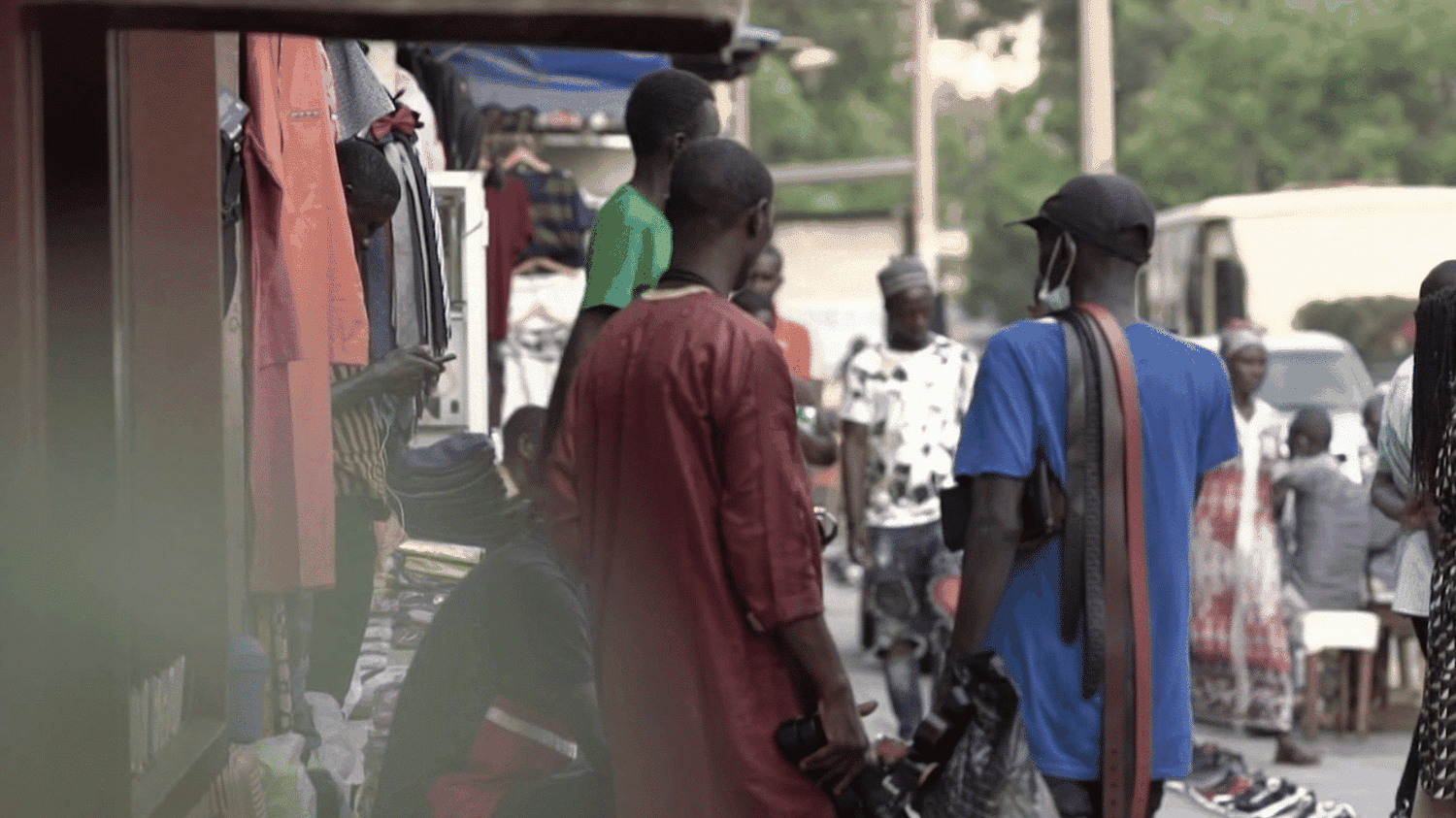
escalating persecution: lgbt individuals face intensifying hunt in Senegal
In recent weeks, hundreds of men have been apprehended in Senegal, with some even subjected to mob violence. The nation has drastically tightened its laws targeting homosexual individuals, who now face potential prison sentences of up to ten years.
This text corresponds to a portion of the report featured above. Click on the video to view the full segment.
Amidst public jeers, a man was escorted by gendarmes through Dakar, Senegal, on February 13, 2026. Onlookers shouted “góor-jigéen”, a Wolof term meaning “man-woman”, accusing him of being homosexual. This scenario is becoming increasingly common across the country, with over a hundred arrests reported in recent weeks. Instances of mob violence are also occurring, such as one man being severely beaten due to his presumed sexual orientation.
Consequently, LGBT individuals are forced to live in hiding, like one man who spoke to the France Télévisions team from inside their vehicle. If identified, he risks a decade in prison for acts against nature, under a newly enacted law. “At any moment, you think they could come and seize you. You can’t truly live. You are compelled to hide from everyone. It’s frustrating, it’s not a life. Living in constant fear is unbearable,” he confided. He stated that he has avoided all social contact “since these events began.”
Often, individuals prefer arrest to being targeted by crowds or neighbors, fearing a lynching based on mere rumors. “This is pure hatred. They have been fed this ideology, made to believe that to be more pious, one must despise homosexuals. That by killing a homosexual, you’ll go to paradise. Whether you love women or men, it’s a personal matter, concerning only you and God,” the man asserted.
a new, highly restrictive legal framework
A French engineer, in his thirties and residing in Dakar, was arrested on similar grounds in mid-February at his home. A police photo shows him alongside three other suspects detained that day. He remains incarcerated. His family and legal counsel have refrained from commenting, citing widespread fear. His friends expressed deep distress. “It shocked us profoundly. And then, when we learned the circumstances of his arrest, it was even more shocking. They knocked on his door, he opened it, and they seized him. That’s the tactic they employ – a round-up,” one friend recounted.
In Senegal, a nation with a 95% Muslim majority, homosexuality has historically faced widespread disapproval. While a law prohibiting homosexual acts existed since 1966, its enforcement was often lax. However, the current government introduced a significantly more stringent bill, which received unanimous support from all deputies. “Homosexuals will no longer breathe in this country,” declared one parliamentarian. Another denounced, “We consider LGBTQ values to be a cultural poison subtly injected into our populace.”
Under the new legislation, homosexual acts are now punishable by five to ten years of strict imprisonment. “This extremely repressive law passed unanimously: 135 votes in favor, 0 against. Three elected officials abstained, not due to opposition to the text, but rather because they advocated for even harsher penalties against homosexuals,” explained a reporter specializing in African affairs.
hiv-positive individuals fear seeking treatment
Amidst this pervasive homophobia, a few voices advocate for a return to reason. Dr. Safiathou Thiam, Executive Secretary of the National Council for the Fight Against AIDS in Senegal, is one such individual. The new law also imposes penalties on those who assist homosexuals, causing concern among healthcare providers working with HIV-positive patients. “Treating someone who is HIV-positive, regardless of their sexual orientation, is part of our duty as doctors. We cannot give up. These are people who rely on us. Therefore, we must continue to treat them. It’s very challenging for us,” explained Safiathou Thiam, expressing both “worry” and “confidence.” “I hope that reason will prevail,” she concluded.
Given the threats, many HIV-positive homosexuals are now afraid to seek their necessary treatment, fearing arrest. This situation leads specialists to anticipate a potential resurgence of the AIDS epidemic in Senegal.