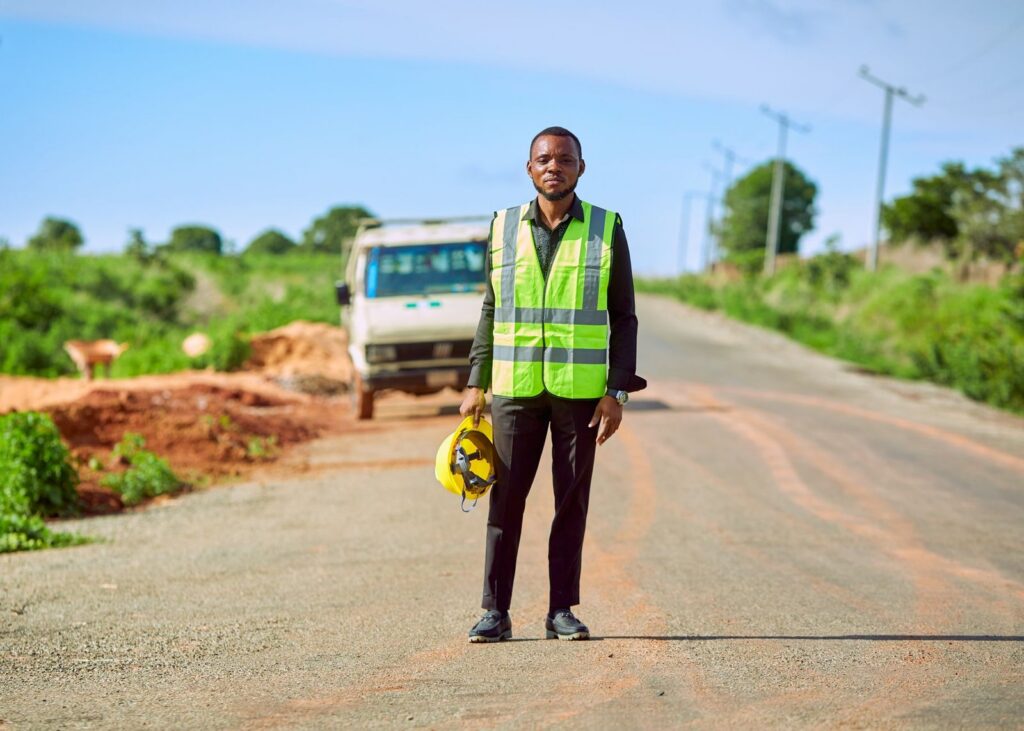
Since the political transition began in August 2023, the Burkina Faso-based construction giant Ebomaf has rapidly ascended to the top of Gabon’s public procurement landscape. Over the past three years, the company led by businessman Mahamadou Bonkoungou has amassed contracts exceeding 700 billion Central African CFA francs—a scale unprecedented for a single foreign operator in the country. Its portfolio now includes major infrastructure projects such as key road networks, the Andem Airport expansion, and the ambitious Libreville 2 administrative capital project, all prioritized under transitional president Brice Clotaire Oligui Nguema’s infrastructure agenda.
Dominance in Gabon’s public infrastructure sector
The sheer volume and pace of Ebomaf’s contract wins have raised eyebrows across both local and international financial circles. Nearly every major infrastructure announcement from the presidency has been awarded to the same contractor, often without detailed public disclosure of competitive bidding processes. The company’s projects span hundreds of kilometers of road networks, airport upgrades, and a large-scale urban development aimed at easing congestion in the capital. While speed in project delivery is an advantage, the concentration of such critical infrastructure in the hands of one operator poses serious questions about procurement transparency and long-term fiscal sustainability.
Gabon’s declining oil revenues and rising external debt have placed its public finances under increased scrutiny by international financial institutions. In this context, entrusting the bulk of high-value infrastructure to a single foreign entity limits the government’s fiscal flexibility and could complicate future debt servicing obligations, particularly as the country approaches a post-transition electoral period.
Budget transparency concerns surrounding Ebomaf contracts
Despite Ebomaf’s claim of securing over 700 billion FCFA in contracts, Gabon’s public financial authorities—the Ministry of Public Works, the Ministry of Public Accounts, and the Supreme Audit Institution—have yet to release a consolidated, audited report detailing the full scope of financial commitments. The absence of a unified financial dashboard obscures the true flow of funds: direct payments from state coffers, bank pre-financing arrangements, and potential compensatory mechanisms remain unclear.
This lack of fiscal transparency fuels concerns about governance standards. Which institutions are verifying the payment schedules? Which banks are facilitating the financial flows? What sovereign guarantees have been issued to secure pre-financing lines? These are critical questions, especially in light of IMF and African Development Bank recommendations calling for regular disclosure of contractual commitments and disbursements. While state television frequently broadcasts ribbon-cutting ceremonies for newly completed projects, official financial documentation remains conspicuously absent.
Evaluating the risks of a pre-financing model
Ebomaf has built its regional reputation on an integrated business model that combines technical execution with bank-led pre-financing, often backed by West African financial institutions. This approach enables cash-strapped governments to launch major infrastructure projects without immediate recourse to domestic revenue. However, it shifts the repayment burden to future fiscal years, with the total cost hinging on negotiated interest rates and repayment schedules.
The model has enabled Ebomaf to establish a strong foothold in countries such as Burkina Faso, Côte d’Ivoire, Togo, and Senegal. Yet it has also sparked repeated controversies over inflated costs, questionable project quality, and disputes over contract terms. Introducing this financing structure at scale in Gabon—especially during a transitional political period—demands rigorous scrutiny of financial clauses, repayment schedules, and oversight mechanisms.
For Gabon’s international partners, the stakes extend beyond project delivery. They involve the credibility of the transitional government’s fiscal roadmap and the long-term sustainability of its debt profile, particularly as multilateral lenders reassess their exposure to Gabonese sovereign risk in the lead-up to elections.
Beyond financial considerations, Ebomaf’s dominance raises structural concerns for Gabon’s domestic construction sector. Local firms, historically confined to subcontracting roles, face barriers to accessing major infrastructure contracts. This limits their capacity to scale up, innovate, and contribute to job creation. The question of who audits or oversees Ebomaf’s financial operations in Gabon remains unresolved, underscoring broader issues of accountability and local economic inclusion.
You may also like
As donor fatigue spreads, can Benin’s €544,042 UNAIDS pledge keep the HIV response on track?
Who pays the price when Burkina Faso’s public payroll contracts? Households weigh the cost of 1,917 fewer agents
Libya pushes for direct Tripoli-Yaoundé flights as Cameroon sets up working groups
JNIM seizes three Burkinabè positions in a single day as Traoré’s security record faces hard questions
Chad condemns Ennedi-East airstrikes at un general assembly, warns of retaliation