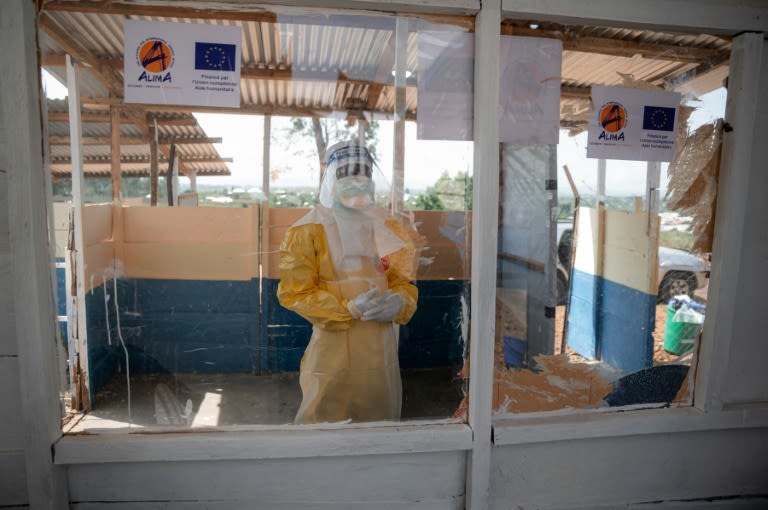
The Ebola epidemic in the Democratic Republic of Congo (DRC) has now claimed over 2,000 lives, pushing the crisis closer to the devastating 2018-2020 outbreak—the deadliest in the country’s history.
The DRC declared its 17th Ebola outbreak on May 15, months behind schedule, yet already recognized as the most severe in its history. Global health authorities warn it could become the worst Ebola outbreak ever recorded worldwide, according to Sania Nishtar, CEO of Gavi, the Vaccine Alliance.
Deadly toll climbing rapidly
The latest official figures from Congolese health authorities show 2,011 deaths out of 4,381 confirmed cases. The grim milestone of 1,000 fatalities was crossed on July 22, underscoring the rapid escalation of this outbreak.
For comparison, the previous record-holding epidemic in the DRC between 2018 and 2020 resulted in nearly 2,300 deaths from 3,500 reported cases. Health officials now estimate a mortality rate of 45.9% for the current outbreak.
Challenges hampering containment efforts
The response to the epidemic faces severe obstacles. Armed group violence continues to disrupt containment operations in affected provinces, while widespread public distrust hinders prevention and treatment efforts.
Mohamed Yakub Janabi, Regional Director for Africa at the World Health Organization (WHO), highlighted a critical issue during a press briefing in Bunia, capital of Ituri province: “Only 30% of cases are detected, while 70% of patients die at home.”
He emphasized that this epidemic differs from previous ones due to these systemic barriers to intervention.
Vaccine trials offer hope
WHO experts have recommended advancing clinical trials for the Ervebo vaccine, currently the only approved Ebola vaccine, despite it not being tailored for the Bundibugyo variant driving the current outbreak.
The WHO Director-General, Tedros Adhanom Ghebreyesus, hailed this development as “encouraging progress.”
Experts believe sufficient safety data on Ervebo exists to proceed directly to Phase 3 trials, typically involving thousands of participants. The global Ebola vaccine stockpile, managed by Gavi and produced by Merck, holds approximately 500,000 doses, with a portion maintained in the DRC due to recurring outbreaks.
Gavi, established in 2000, collaborates with public and private donors to ensure affordable vaccine access for developing nations.
Additionally, Canada has approved Moderna to initiate clinical trials for its Bundibugyo vaccine. Two other candidates are also in development: the rVSV Bundibugyo vaccine, developed by Hilleman Laboratories and identified by WHO as the most promising, and a vaccine from the University of Oxford, which administered its first dose to a volunteer in late July.
International support and funding surge
The United States announced an additional $242 million in funding to combat the Ebola outbreak in the DRC. Ebola, transmitted through bodily fluids, causes severe hemorrhagic fever and has claimed over 15,000 lives across Africa over the past five decades.
You may also like
Will Benin’s AEO exporters finally crack the Chinese market?
Northern Niger’s unanswered question: can Tiani’s government deliver water and power where it matters most?
Can Air Sénégal survive the Interpol smuggling probe? The stakes for crew, passengers and the airline’s future
As donor fatigue spreads, can Benin’s €544,042 UNAIDS pledge keep the HIV response on track?
Who pays the price when Burkina Faso’s public payroll contracts? Households weigh the cost of 1,917 fewer agents