Unprecedented military court proceedings reveal fractures in DRC leadership
The Democratic Republic of the Congo (DRC) is witnessing a judicial spectacle unlike any before, as proceedings unfold against high-ranking military officials accused of plotting against state institutions. The trial, which centers on alleged attempts to destabilize the administration of President Félix Tshisekedi, has exposed deep divisions within the country’s Armed Forces and raised questions about the integrity of its command structure.
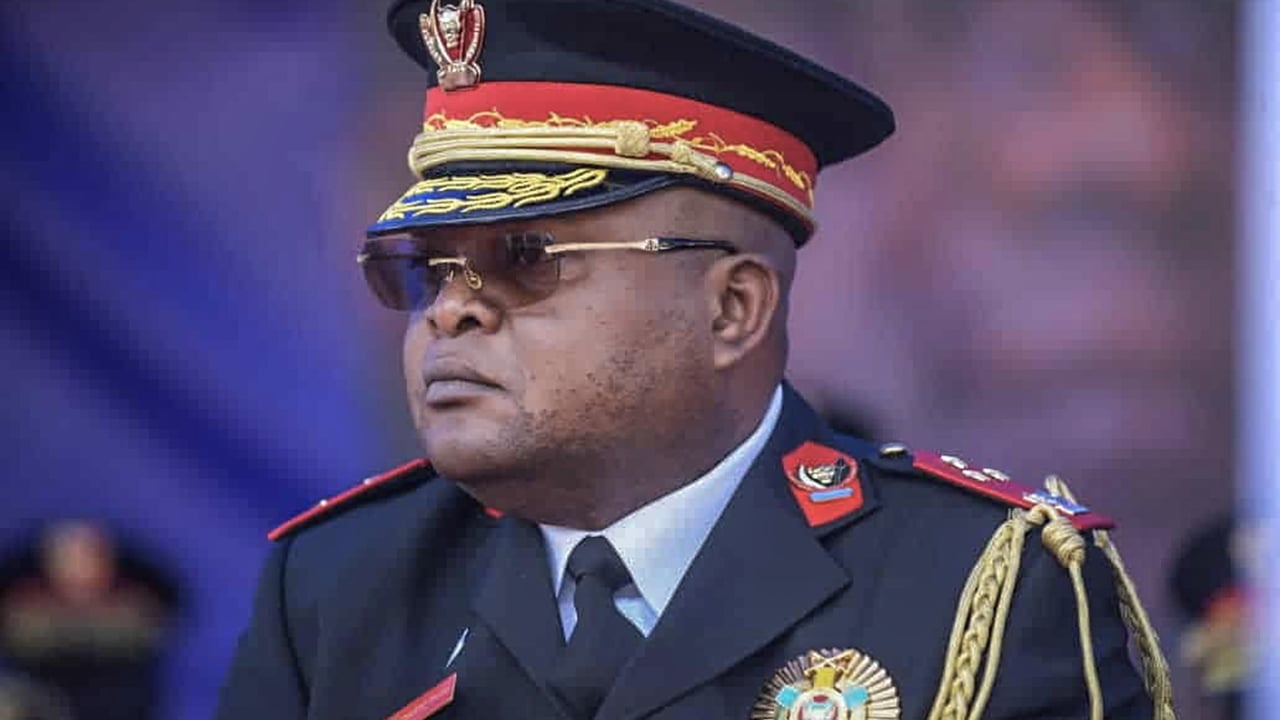
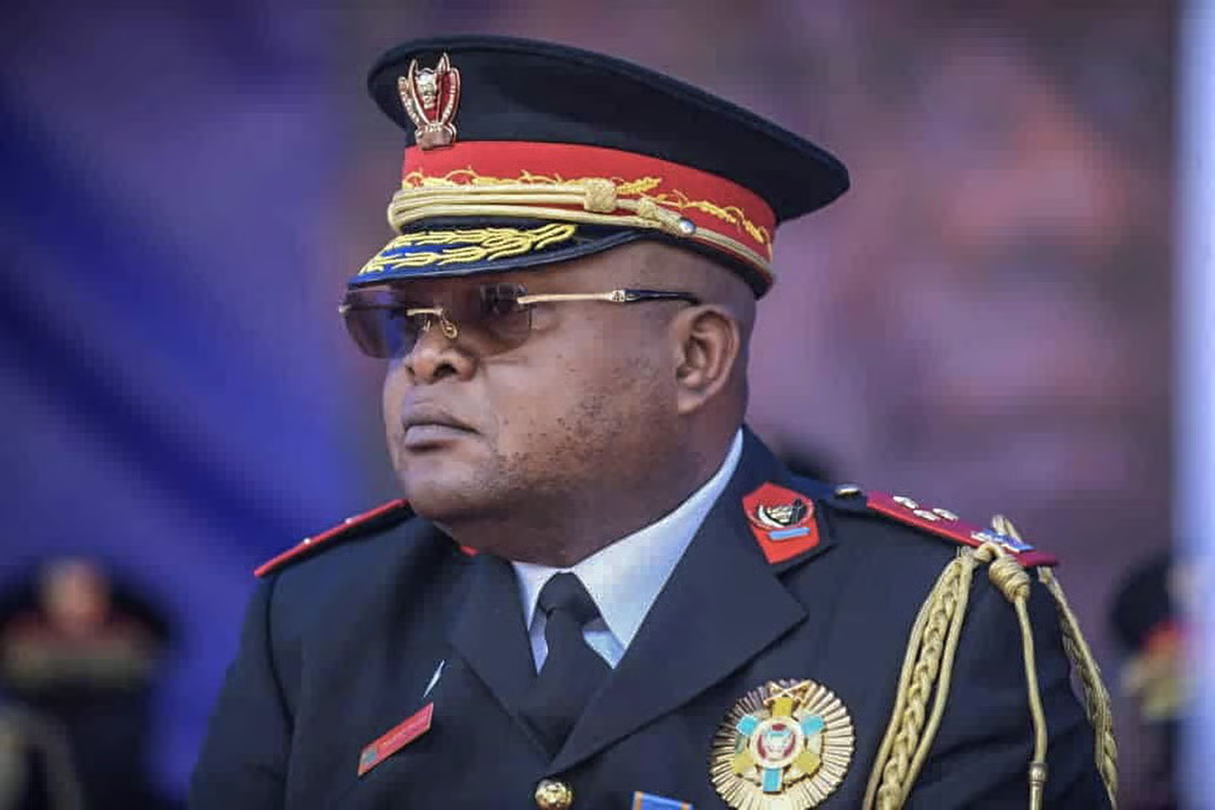
The case revolves around General Christian Tshiwewe Songesa, former Chief of Staff of the FARDC (Forces Armées de la République Démocratique du Congo), who stands accused of orchestrating a conspiracy to undermine the government. The proceedings have unfolded in a manner that defies standard judicial protocols, prompting both domestic and international observers to scrutinize the motives and methods behind the trial.
Key figures under scrutiny
The trial has become a focal point for analyzing the balance of power within the DRC’s political and military spheres. Among those named in the proceedings are figures who previously held significant influence under former President Joseph Kabila, whose tenure saw close alliances with military leadership. The presence of these individuals in the dock has intensified debates about the continuity of old guard networks within the state apparatus.
Judicial anomalies draw attention
Legal experts have highlighted several irregularities in the trial’s structure, including the absence of transparent evidence presentation and the rushed nature of the proceedings. Critics argue that the court’s decisions appear to prioritize political expediency over due process, a concern that has fueled public skepticism about the trial’s legitimacy.
The case has also sparked discussions about the role of the judiciary in a country where military and political interests often intersect. Observers note that the trial’s conduct may set a precedent for future cases involving high-profile defendants, particularly those with ties to previous administrations.
Broader implications for DRC stability
The unfolding drama in the military court is more than a legal matter—it is a test of the DRC’s institutional resilience. As President Tshisekedi seeks to consolidate power and reform the security sector, the trial has become a litmus test for his administration’s ability to assert control over the military and curb entrenched networks of influence.
The proceedings have also drawn attention to the broader challenges facing the DRC, including the need to professionalize its armed forces and reduce reliance on patronage systems. Analysts warn that unresolved tensions within the military could undermine efforts to stabilize the country, particularly in regions already grappling with armed conflict and state fragility.
As the trial continues, all eyes remain on the courtroom, where the outcome could reshape the trajectory of the DRC’s political and institutional landscape for years to come.