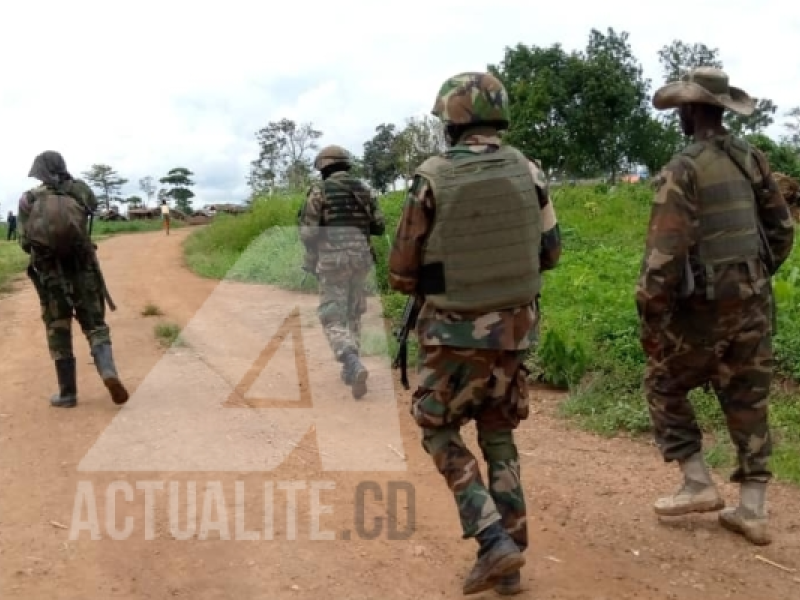
The Armed Forces of the Democratic Republic of Congo (FARDC) have once again issued a stern warning to soldiers operating in conflict zones: unauthorized use of smartphones is strictly prohibited.
In a statement released on July 9, 2026, acting army spokesman Lieutenant-Colonel Mak Hazukay emphasized that improper cell phone usage—whether intentional or accidental—can expose military positions to enemy detection, jeopardizing both personnel and missions.
Why smartphone restrictions matter in war zones
The risks are severe. An active smartphone signal can be triangulated by hostile forces, revealing troop movements, supply routes, or defensive positions. Even seemingly harmless actions—like sharing photos, updating social media, or texting—can provide critical intelligence to adversaries such as the AFC/M23 rebels active in South Kivu’s Fizi and Mwenga highlands.
The FARDC’s directive is clear:
- No unauthorized smartphone use in operational areas.
- Avoid sharing location, movements, or mission details—even with close contacts.
- Never post images or videos of military activities or equipment online.
- Report suspicious activity that could compromise security.
Violations, the army warns, could endanger entire units—not just individual soldiers.
History of repeated breaches
This isn’t the first time the FARDC has had to issue such reminders. Similar incidents occurred during previous offensives near Goma, where videos and messages from soldiers complaining about conditions at the frontline circulated widely online. Each time, the army has responded with urgent appeals for discipline, stressing that operational secrecy is non-negotiable in the fight against the AFC/M23 rebellion.
The stakes remain high. With frontline tensions persisting in eastern DRC, maintaining operational security is critical to protecting civilian lives and preventing further escalation.
The military’s message is unambiguous: discipline saves lives.