
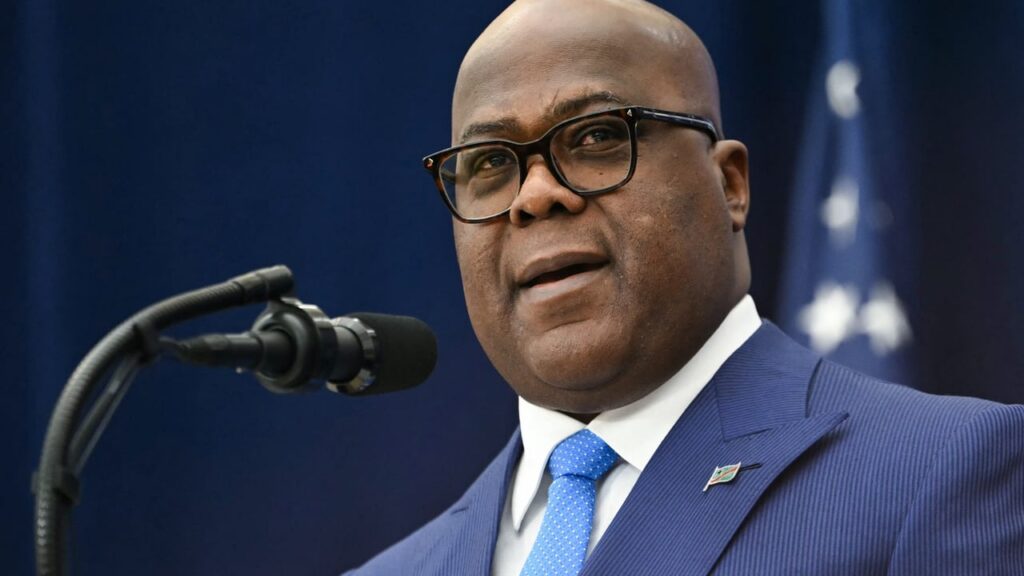
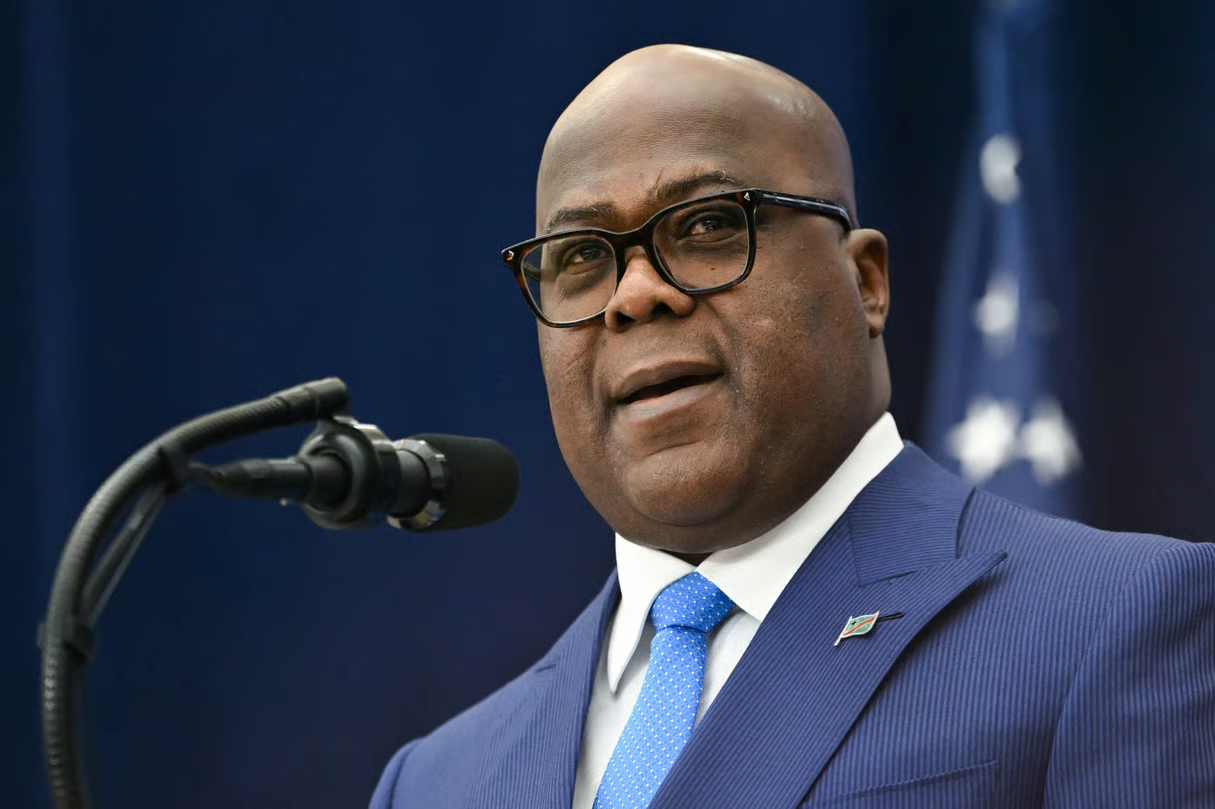
The Democratic Republic of the Congo’s Constitutional Court has delivered a landmark decision, endorsing legislation that paves the way for President Félix Tshisekedi to seek a third term in office. The ruling, issued by the highest judicial authority in the country, removes legal obstacles that previously barred the incumbent from contesting the next presidential election.
The court’s verdict comes after months of intense political debate and public scrutiny. Legal experts and opposition figures had challenged the constitutionality of the amended law, arguing that it violated term limits designed to ensure democratic succession. However, the judges concluded that the revised legislation complies with constitutional provisions, setting the stage for a potential political showdown in the upcoming electoral cycle.
Constitutional maneuvering and political implications
The decision by the Constitutional Court has intensified discussions about the future of governance in the DRC. Critics warn that the move could undermine democratic norms and concentrate power in the hands of a single leader, while supporters argue that it reflects the will of the people and aligns with the country’s evolving political landscape.
The amendments to the electoral framework have sparked widespread reactions across the political spectrum. Some factions within the ruling coalition have hailed the ruling as a progressive step, emphasizing the importance of continuity in leadership. Meanwhile, opposition groups and civil society organizations have condemned the decision, labeling it as an attempt to circumvent democratic principles and extend presidential tenure beyond established limits.
As the country braces for the next electoral contest, the ruling has become a focal point for national discourse. Political analysts suggest that the decision could significantly influence the strategies of both the ruling party and opposition forces in the lead-up to the elections.
Legal challenges and public response
The Constitutional Court’s endorsement of the law has not been met without resistance. Legal challenges filed by opposition lawyers and advocacy groups are still pending, raising questions about the durability of the court’s ruling. Public demonstrations and debates have erupted in major cities, with citizens expressing divided opinions on the matter.
Proponents of the decision argue that the amendments provide a legal pathway for President Tshisekedi to continue his leadership, citing his contributions to national stability and development. Opponents, however, view the ruling as a setback for democratic governance, calling for greater checks on executive power and a return to strict adherence to term limits.
The political stakes are high, and the coming months will likely see heightened activity in both legal and public spheres. The Constitutional Court’s decision has set the stage for a critical phase in the DRC’s democratic journey, with implications that extend far beyond the next election.
You may also like
-
Cameroon court jails man over Facebook prayer deemed insult to president
-
Constitutional court validates DRC law enabling Félix Tshisekedi’s third term
-
Constitutional court clears path for Félix Tshisekedi’s third term in DRC
-
Congo’s constitutional court clears path for president tshisekedi’s third term
-
Felix Tshisekedi Elected For Third Term As DR Congo President