
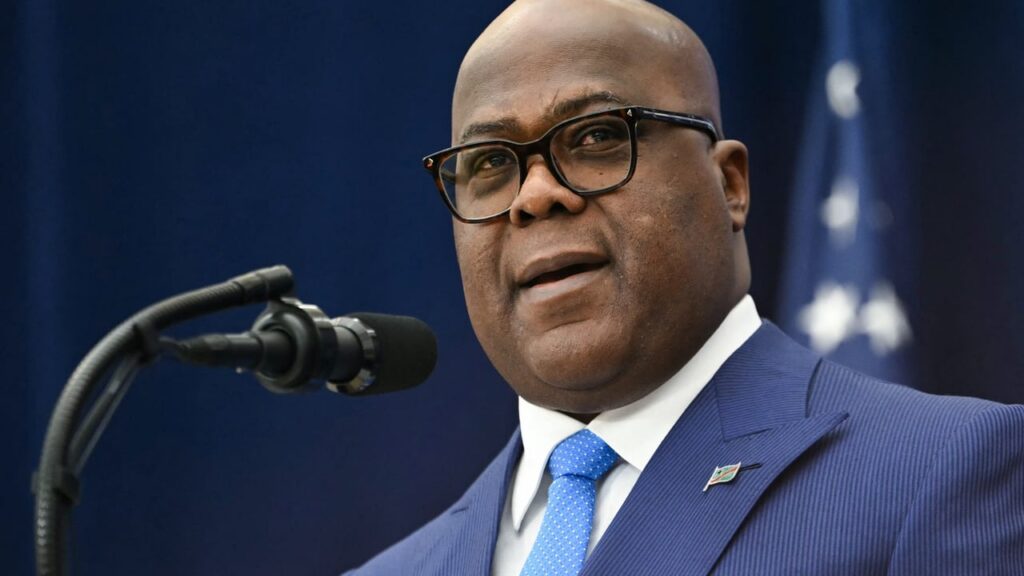
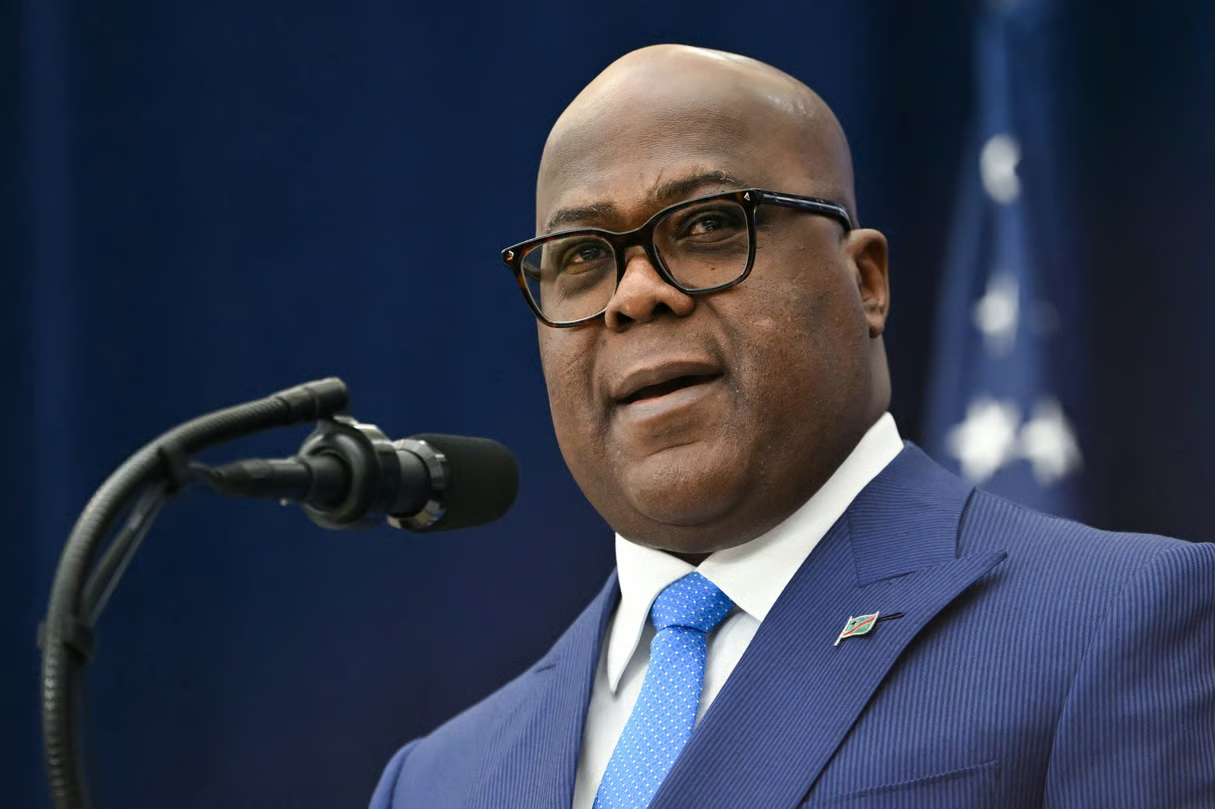
The Democratic Republic of the Congo’s Constitutional Court has delivered a landmark ruling, paving the way for President Félix Tshisekedi to seek a third term in office. The decision, announced late Thursday, dismisses legal challenges questioning the constitutionality of the amended electoral law that enables his candidacy.
The ruling comes amid heightened political tensions and public debate over term limits in the country. Critics argue that the amendments contradict the spirit of the 2015 constitutional reforms, which were designed to prevent indefinite presidential mandates. Supporters, however, contend that the changes align with the country’s evolving democratic needs.
Key implications of the court’s decision
This verdict has far-reaching consequences for the political landscape in the Democratic Republic of the Congo. Here are the major takeaways:
- Legal precedent: The court’s endorsement of the amended law sets a significant legal precedent, potentially influencing future constitutional interpretations.
- Political ramifications: President Tshisekedi’s eligibility for a third term could reshape the 2026 electoral landscape, with opposition groups already mobilizing in response.
- Public sentiment: The decision has sparked mixed reactions among citizens, with protests erupting in several cities over concerns about democratic backsliding.
- Regional impact: Neighboring countries and international observers are closely monitoring the situation, wary of potential instability in one of Africa’s largest nations.
Next steps and reactions
Following the court’s ruling, President Tshisekedi is expected to formally announce his candidacy in the coming weeks. Meanwhile, opposition leaders have vowed to challenge the decision through every available legal and political avenue, including mass demonstrations and appeals to international bodies.
The international community has called for calm and adherence to democratic principles, emphasizing the need for inclusive and transparent electoral processes. Meanwhile, security forces have been deployed in key urban centers to prevent unrest.
What this means for democracy in the DRC
The court’s decision raises critical questions about the future of democracy in the Democratic Republic of the Congo. While proponents argue that the amendments reflect the will of the people, detractors warn that they undermine the very foundations of democratic governance. The coming months will be pivotal in determining whether the country can navigate this constitutional crossroads without descending into conflict.
You may also like
-
Cameroon court jails man over Facebook prayer deemed insult to president
-
Constitutional court validates DRC law enabling Félix Tshisekedi’s third term
-
Constitutional court clears path for Félix Tshisekedi’s third term in DRC
-
Congo’s constitutional court clears path for president tshisekedi’s third term
-
Felix Tshisekedi Elected For Third Term As DR Congo President