
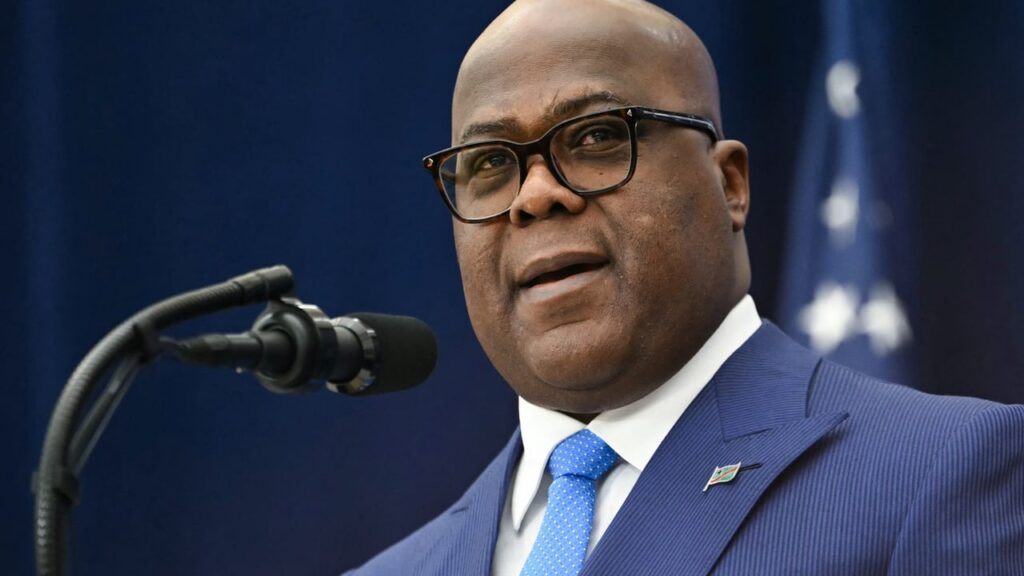
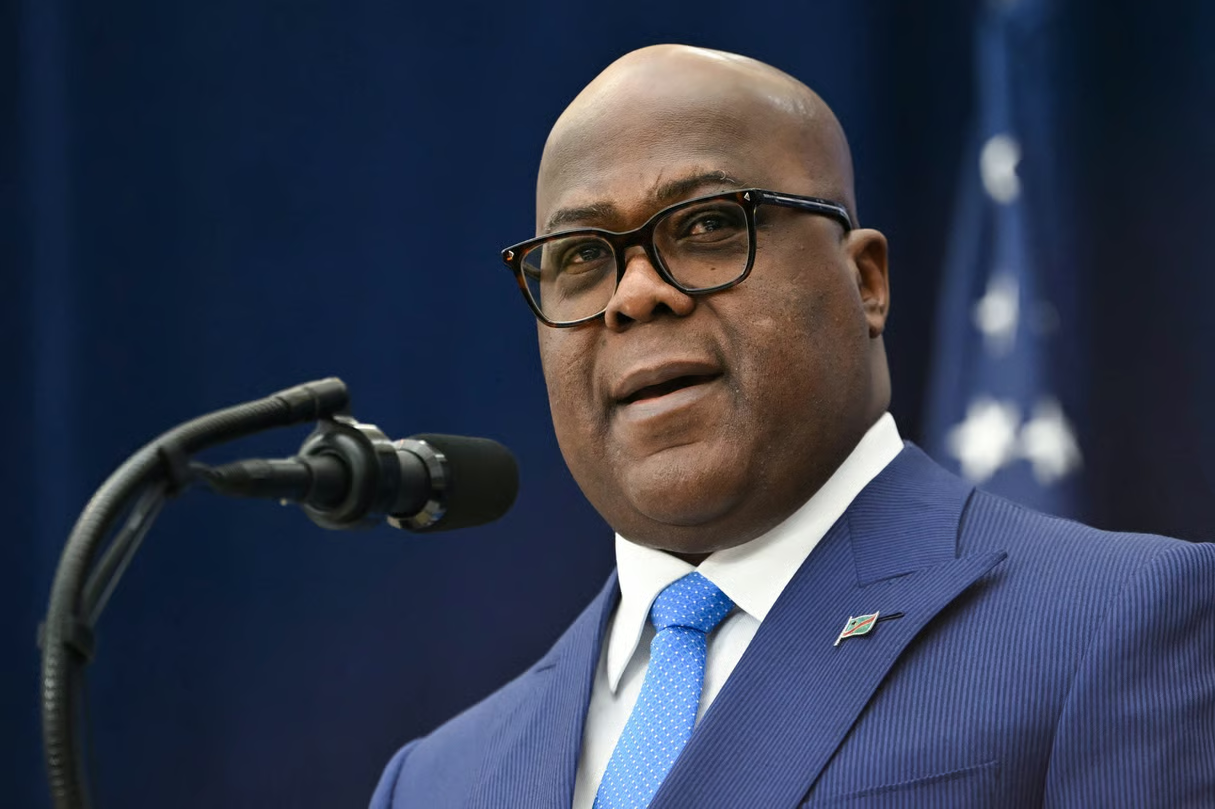
The Constitutional Court of the Democratic Republic of the Congo (DRC) has issued a landmark ruling, paving the way for President Félix Tshisekedi to seek a third term in office. This decision follows months of intense legal and political debates surrounding the controversial amendment to the electoral law.
Constitutional green light for Félix Tshisekedi’s third term bid
The highest judicial body in the DRC has unanimously endorsed the legislative changes that eliminate the two-term presidential limit. This move effectively removes the constitutional barrier that previously prevented Tshisekedi from running again in the upcoming elections.
Legal experts and opposition figures had fiercely contested the amendment, arguing that it violates the spirit of the 2015 constitution. Critics point out that the changes were rushed through parliament without broad consensus, raising concerns about democratic backsliding in the country. Despite these objections, the court’s decision is final and binding, leaving no legal recourse for opponents.
Reactions from political circles and civil society
Government officials have hailed the ruling as a victory for stability and continuity. Félix Tshisekedi, who has been in power since 2019, has not yet officially declared his candidacy. However, insiders suggest that the constitutional green light was a key step in his re-election strategy. Supporters argue that his leadership has brought progress and development, justifying another term.
Opposition leaders and civil society groups have condemned the decision, warning of potential unrest. Protests have erupted in several cities, with demonstrators denouncing what they call an unconstitutional power grab. Human rights organizations have also expressed alarm over the implications of the ruling for democratic freedoms in the DRC.
What’s next for the DRC?
The electoral commission must now finalize preparations for the upcoming presidential vote. Scheduled for late 2026, the election will take place under heightened scrutiny, with both domestic and international observers closely monitoring the process. The opposition has vowed to challenge the legitimacy of the elections if the playing field is not level.
Meanwhile, the international community has called for restraint and adherence to democratic norms. Diplomatic sources indicate that concerns are growing over the potential destabilizing effects of the court’s ruling, particularly in a region already grappling with political instability.
The DRC stands at a crossroads, with the fate of its democracy hanging in the balance. The coming months will be critical in determining whether the country can navigate this political transition peacefully and uphold the principles of constitutional governance.
You may also like
-
Constitutional court clears path for Félix Tshisekedi’s third term in DRC
-
Congo’s constitutional court clears path for president tshisekedi’s third term
-
Burkina Faso athletes shine at u18 and u20 five nations championships
-
Visite du président sénégalais au Mali : malgré les divergences politiques, la recherche d’un front commun contre le terrorisme
-
Tchad Quitte la CPI : N’Djamena Dénonce une Justice à Géométrie Variable