
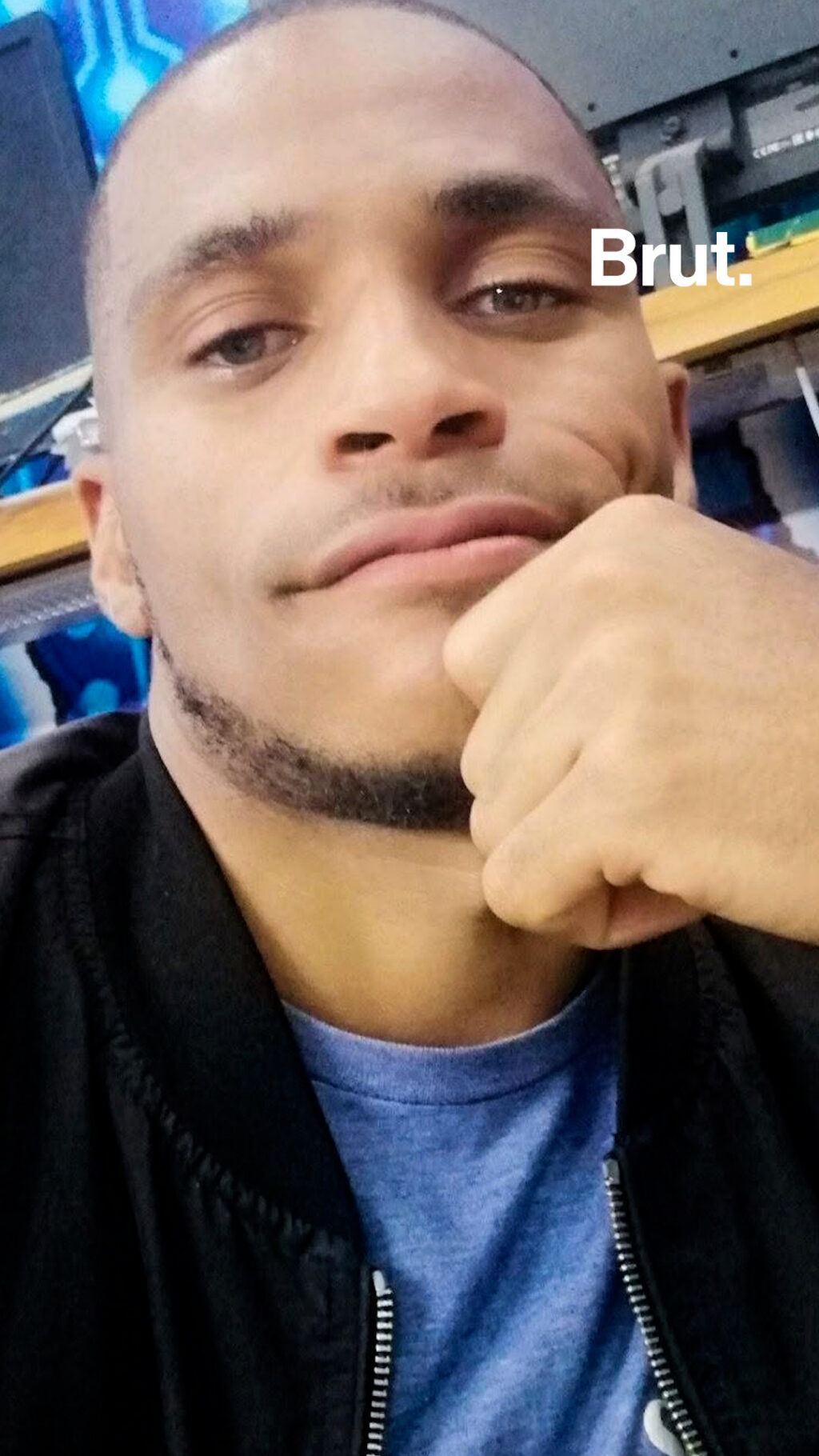
In a landmark ruling, a court in Cameroon has sentenced Patrick Mengue to six months imprisonment for contempt of the nation’s president. The conviction stems from a Facebook post in which Mengue included a prayer interpreted by authorities as a direct insult to President Paul Biya.
Legal consequences of online dissent
The case highlights the strict enforcement of laws against defamatory statements targeting high-ranking officials in Cameroon. Authorities viewed the published prayer as a deliberate attempt to undermine national dignity, prompting swift legal action under national defamation statutes.
The presiding judge emphasized that while freedom of expression is guaranteed, it does not extend to speech that deliberately undermines state institutions or the dignity of public figures. This ruling sets a precedent for how online content is policed in relation to national leadership.
Reactions and implications
The sentence has sparked debate among civil society groups, with some activists criticizing what they call a disproportionate response to a religiously framed statement. Others argue that the ruling reinforces the importance of respecting state authority, especially in an era where social media amplifies dissent.
Social media under scrutiny
This case underscores the growing tension between digital expression and legal boundaries in Cameroon. Authorities have increasingly monitored online platforms, particularly when content is perceived as disrespectful to public officials. Social media users are now more cautious about sharing content that could be interpreted as critical of government figures.
The ruling serves as a reminder that even indirect forms of expression—such as prayers or symbolic messages—can carry legal consequences if deemed offensive to national leadership.
You may also like
-
Constitutional court validates DRC law enabling Félix Tshisekedi’s third term
-
Constitutional court clears path for Félix Tshisekedi’s third term in DRC
-
Congo’s constitutional court clears path for president tshisekedi’s third term
-
Felix Tshisekedi Elected For Third Term As DR Congo President
-
Constitutional court clears path for third term for president tshisekedi