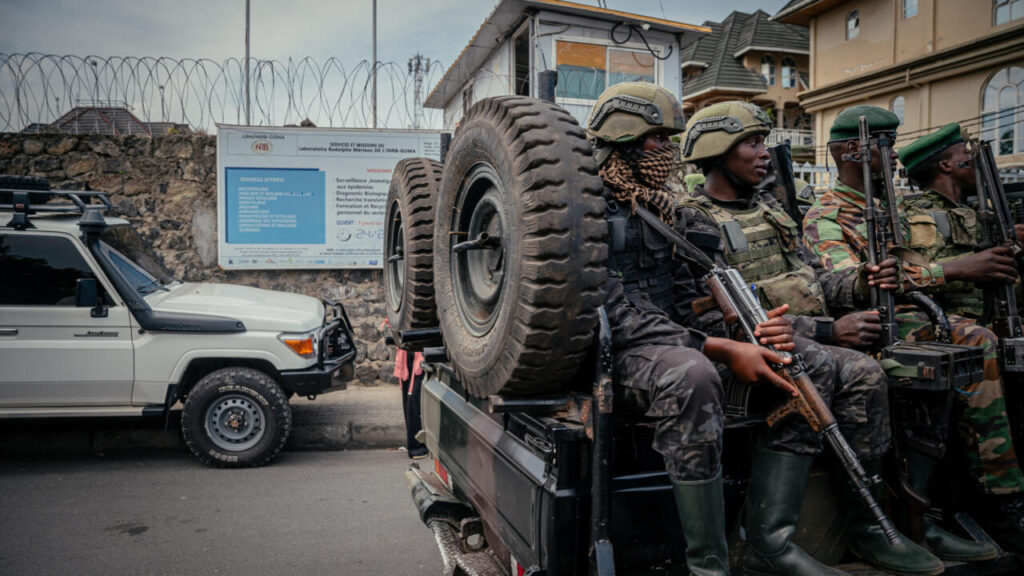
Established nearly four months ago in Montreux, the Expanded Joint Verification Mechanism (MCVE+), intended to monitor adherence to the ceasefire between Kinshasa and the AFC/M23, has yet to commence its operations. This critical delay is attributed to the expulsion by the Rwanda-backed movement of one of the three Congolese officers. These officers were deployed to Goma in mid-July to represent the FARDC within the monitoring framework. The AFC/M23 alleges the expelled officer was previously involved with military intelligence. The incident raises significant questions about the response of Congolese authorities and the broader implications of this stalemate for regional stability.
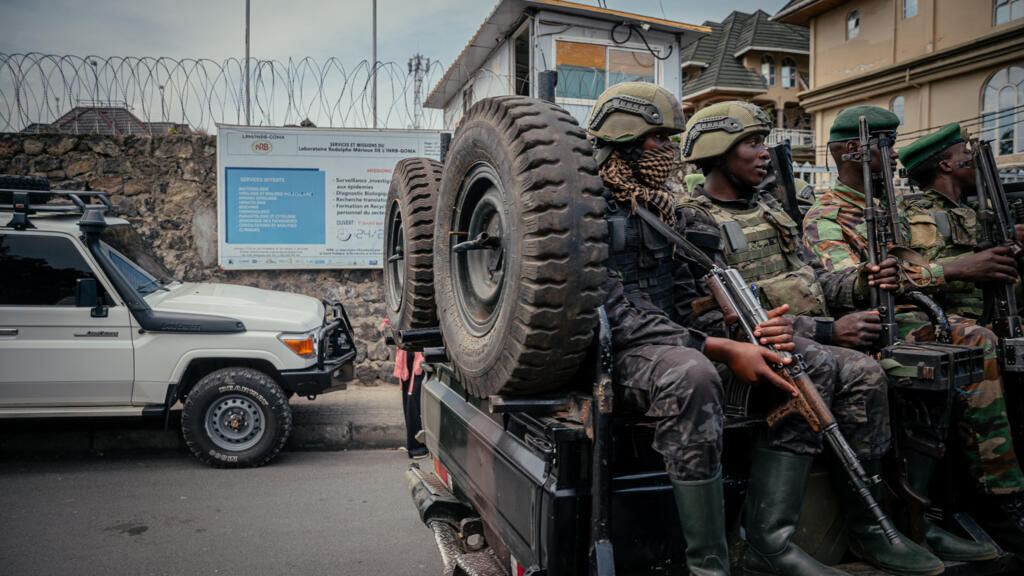
Ceasefire monitoring in limbo
The Expanded Joint Verification Mechanism (MCVE+), a crucial initiative conceptualized in Montreux nearly four months ago, was designed with a singular purpose: to rigorously monitor the ceasefire agreement between the forces of Kinshasa and the AFC/M23 movement in the Democratic Republic of Congo. This mechanism was envisioned as a vital tool for ensuring stability and building trust. However, despite its foundational importance, the MCVE+ remains inoperative, unable to begin its essential work on the ground.
The core of the dispute
The principal cause of this operational stagnation stems from a contentious incident involving a Congolese officer. This individual was one of three FARDC representatives dispatched to Goma in mid-July, tasked with participating in the verification team. The AFC/M23 movement, which reportedly receives backing from Rwanda, took the decisive step of expelling this officer, effectively halting the mechanism’s deployment.
Allegations and diplomatic fallout
In justifying its actions, the AFC/M23 publicly accused the expelled officer of having a prior association with military intelligence. This allegation has introduced a significant new hurdle, creating both diplomatic friction and an operational impasse that prevents the MCVE+ from becoming active. The accusation itself adds a layer of complexity to an already delicate peace process.
Unanswered questions and regional stability
This persistent deadlock prompts critical inquiries into how Congolese authorities intend to respond. How will Kinshasa address the specific allegations leveled against its officer, and what strategies will it employ to reactivate the MCVE+? Furthermore, the continued inability of this essential verification body to function carries serious implications for the already fragile ceasefire. The absence of effective monitoring risks exacerbating existing tensions and could undermine broader efforts toward achieving lasting peace and stability in the eastern Democratic Republic of Congo.
You may also like
Can Ibrahim Traoré’s 300 armored vehicles claim survive scrutiny? Inside Faso Armored’s made-in-Burkina Faso gamble
Can Washington force third-country deportations? Ivory Coast’s refusal raises the stakes
Will Benin’s AEO exporters finally crack the Chinese market?
Northern Niger’s unanswered question: can Tiani’s government deliver water and power where it matters most?
Can Air Sénégal survive the Interpol smuggling probe? The stakes for crew, passengers and the airline’s future