Government audit exposes critical governance gaps
The Supreme Audit Institution (Cour des comptes) has delivered its latest assessment of the Democratic Republic of the Congo’s financial management, and the findings are deeply concerning. Once again, the audit highlights systemic weaknesses in governance under President Félix Tshisekedi’s administration, raising serious questions about transparency and accountability.
The report, presented to Parliament, underscores multiple irregularities in public expenditure, particularly within key state-owned enterprises. Among the entities scrutinized, the Société des Minières de Kilo Moto (Sokimo) stands out for its financial discrepancies, prompting calls for immediate corrective action.
Financial mismanagement and oversight failures
Key concerns identified by the auditors include:
- Lack of fiscal discipline: Unauthorized spending and budget overruns were flagged in multiple ministries and agencies.
- Weak internal controls: Inadequate monitoring mechanisms allowed for mismanagement of public funds, with significant amounts remaining unaccounted for.
- Conflict of interest risks: Several high-profile contracts raised red flags due to potential favoritism and non-compliance with procurement laws.
- Delayed audits: Some state-owned enterprises, including Sokimo, had not undergone thorough financial reviews for years, exacerbating transparency issues.
Tshisekedi’s administration under scrutiny
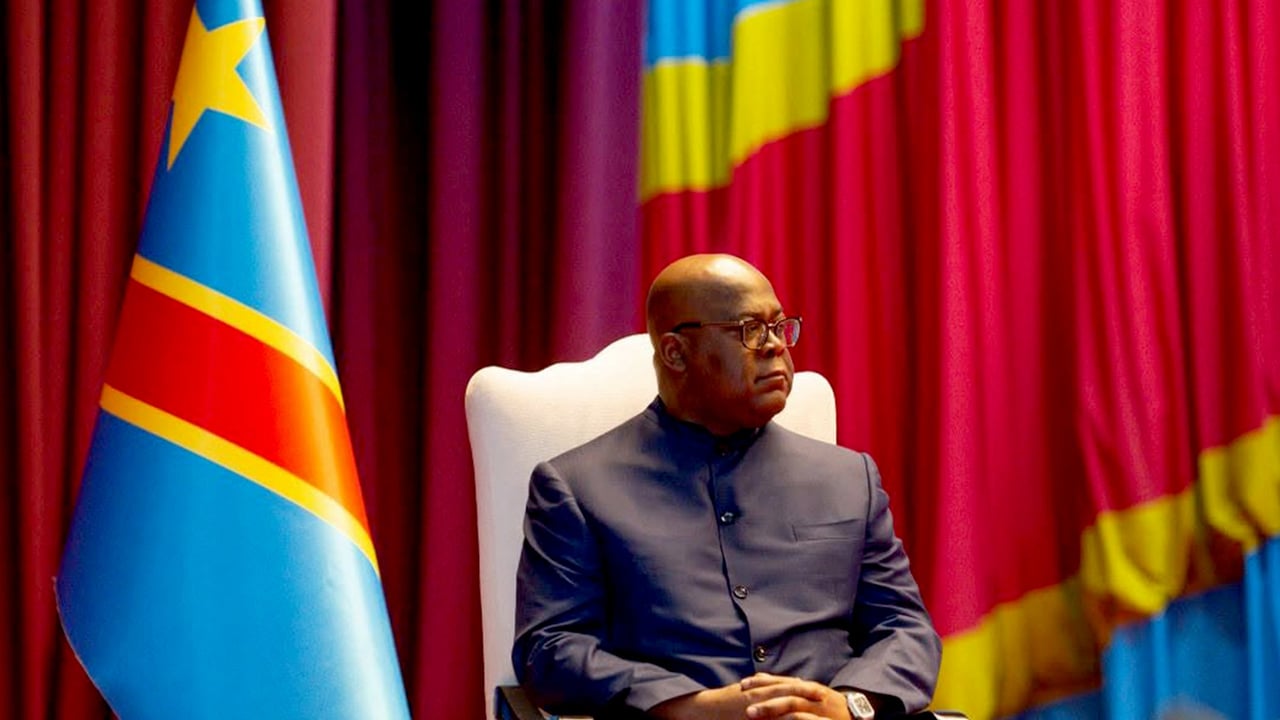
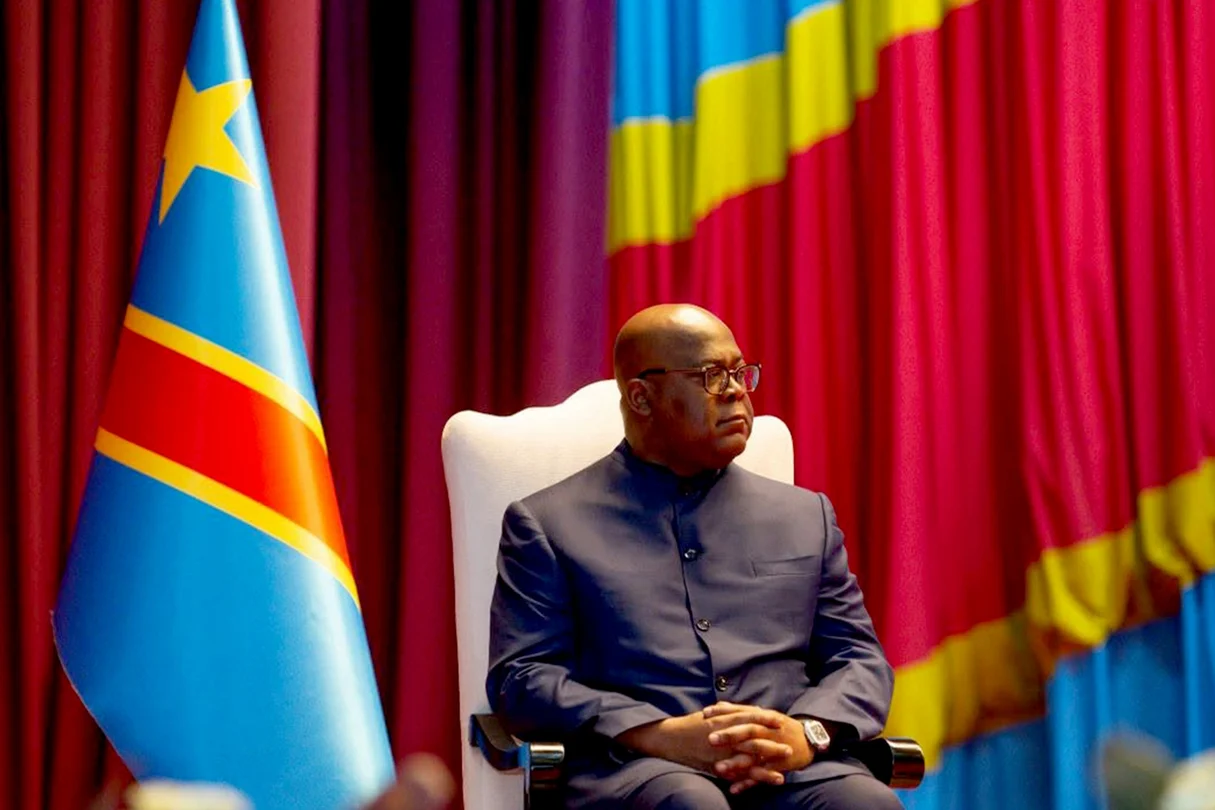
President Tshisekedi, who took office in 2019 on promises of reform, now faces renewed criticism over his government’s handling of public resources. The audit’s findings suggest that despite previous warnings, little progress has been made in addressing systemic flaws. Opposition figures have seized on the report to demand greater scrutiny of executive decisions and improved governance standards.
The Cour des comptes has urged swift legislative action to implement stricter oversight measures. Recommendations include the establishment of an independent anti-corruption body and mandatory annual audits for all state-owned enterprises. However, whether these proposals will gain traction in a political climate marked by tension and competing interests remains uncertain.
Public reaction and next steps
The release of the audit has sparked public debate about the government’s commitment to reform. Civil society organizations and transparency advocates are calling for greater civic engagement to hold officials accountable. Meanwhile, Sokimo’s leadership has pledged to cooperate with investigators and address the identified issues.
As the pressure mounts, the coming months will be critical in determining whether the DRC can turn these findings into a turning point for better governance—or if the cycle of mismanagement will continue unchecked.