Behind the decision to reopen all schools in Diffa lies a complex balancing act between security imperatives and the fundamental right to education. The move follows months of restrictive measures that sparked intense debate over how far a state can go in curbing access to schooling under the guise of safety.
Why Diffa’s school closures raised red flags across the region
The wave of closures in early October 2026 targeted specific communities, particularly the Mohamid, under administrative measures framed as security precautions. Reports indicated school shutdowns, water point closures, and teacher reassignments in Diffa and Zinder regions. While authorities claimed these actions aimed to protect infrastructure from exclusive use by certain groups, the broader implications sparked alarm.
For families already grappling with displacement and violence linked to Boko Haram’s insurgency, these restrictions compounded hardship. Schools, already scarce in conflict-affected areas, became another casualty of sweeping measures that blurred the line between safety and collective punishment.
The turning point: ending education exclusion in Diffa
The reversal to include all communities marks a significant policy shift. No longer can entire groups be penalized for the actions of a few. This decision reflects growing national and international pressure to align security strategies with human rights obligations, including Niger’s commitments under the Convention on the Rights of the Child.
The move also acknowledges that blanket restrictions rarely achieve their stated goals. Instead, insecurity thrives where basic services collapse, education fractures, and trust in governance erodes. By reopening schools to all, authorities signal a renewed commitment to inclusive development—one that recognizes education as both a right and a stabilizing force.
The security paradox: protecting infrastructure vs. protecting children
Attacks on public facilities in Diffa have forced authorities to prioritize protection. But the question remains: when does securing a school become isolating children? The answer lies in proportional and targeted measures—like securing specific buildings or patrolling routes—rather than shutting down entire systems.
Critics argue that earlier restrictions were not solely motivated by safety but by perceptions of certain groups’ alleged misuse of public assets. If verified, such justifications raise serious concerns about discrimination disguised as policy. The principle of non-discrimination demands that responses to insecurity respect both the letter and spirit of the law.
From policy to practice: making reopening meaningful
While the announcement is welcome, implementation will determine its impact. To prevent further disruptions, authorities must ensure:
- Teacher availability: Schools need educators willing to serve in high-risk zones, supported by secure and fair working conditions.
- Infrastructure readiness: Rehabilitated classrooms, functional water access, and restored educational supplies are essential.
- Security without stigma: Patrols must safeguard students without turning schools into symbols of exclusion.
For many parents in Diffa, the fear of sudden closures persists. Rebuilding trust requires transparency about decision-making processes and clear communication on how future restrictions—if any—will be applied without bias.
Schools as anchors of national unity
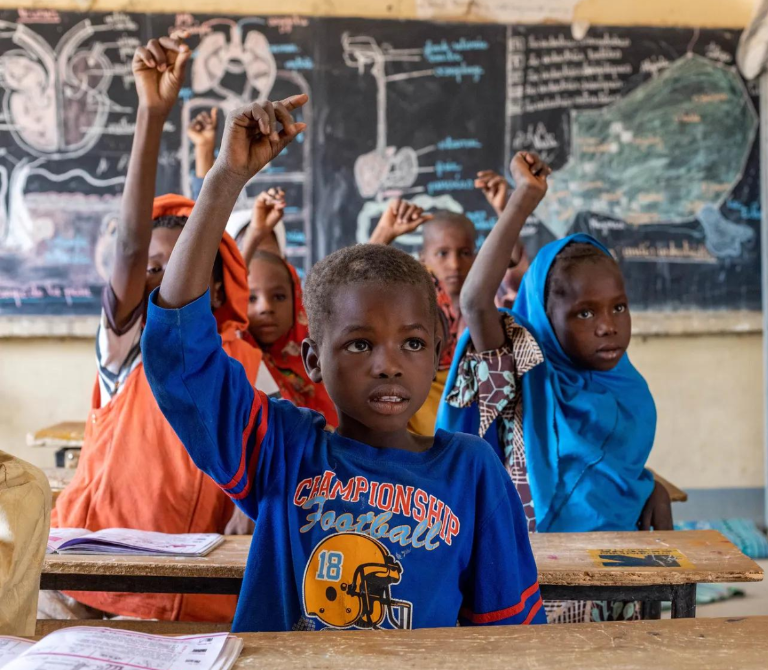
Diffa’s reopening isn’t just about classrooms—it’s about national cohesion. Schooling is a public good that should unite, not divide. When children from different backgrounds share desks, they learn shared values of citizenship and mutual respect.
The state’s role extends beyond opening doors. It must ensure every child, regardless of origin, has uninterrupted access to learning. This means addressing root causes: poverty, displacement, and lack of opportunities that make communities vulnerable to extremism in the first place.
A call for sustainable solutions
Diffa’s experiment in inclusive schooling offers lessons for the region. The challenge now is sustainability. Authorities must:
- Engage communities: Local leaders, parents, and teachers must be part of planning and monitoring school safety.
- Invest in prevention: Strengthening livelihoods and psychosocial support can reduce recruitment by armed groups.
- Monitor outcomes: Regular audits of school access and attendance will help identify hidden barriers.
The path forward demands more than policy corrections—it calls for a holistic vision where security and rights reinforce each other. Diffa’s schools, once reopened, must never again become tools of division.
A generation’s future at stake
The children of Diffa deserve more than temporary reprieve. They need a future where education is not a privilege granted or withdrawn at will, but a guaranteed right. The reopening of schools to all communities is not the end of the struggle—it’s a beginning.
It is a reminder that in fragile states, the true measure of security lies not in how many schools are closed, but in how many remain open to every child.