From General to Rebel: Dido Ali’s Alleged Plot Against Chad’s Government
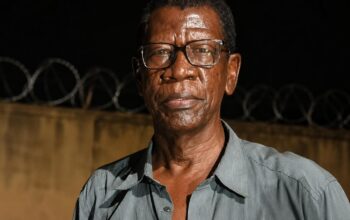
The former Chief of Staff of Chad’s Movement for Change (MPC), Dido Ali, has reportedly abandoned his military career to join the ranks of armed rebels, with a new agenda: to destabilize the current government in N’Djamena. Once a respected figure within the MPC, his transformation into a rebel leader raises serious questions about the shifting loyalties in the region’s complex political landscape.
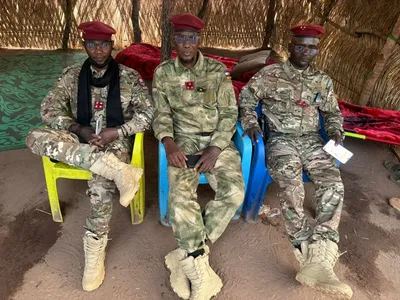
Witnesses and observers in Chad suggest that his ambitions have taken a radical turn. Reports indicate that he is now operating alongside armed factions, leveraging his military expertise to challenge state authority. The implications of his shift could have far-reaching consequences for regional stability, particularly in a country already grappling with political tensions.
Military Career and Sudden Shift
Dido Ali’s rise within the MPC was marked by strategic leadership and a reputation for disciplined command. His former colleagues recall a man deeply committed to military reform and national security. However, recent developments paint a starkly different picture. Sources close to the situation describe how his allegiance has seemingly eroded, culminating in his alignment with rebel groups whose objectives include toppling the government.
The motivations behind his transition remain unclear. Some analysts speculate that dissatisfaction with the current administration’s policies may have driven him to seek alternative means of influence. Others suggest that personal grievances or ideological differences played a role in his decision to abandon his former role.
Regional Implications of His Rebellion
The emergence of Dido Ali as a rebel leader is not an isolated incident. It reflects broader trends of military discontent and shifting alliances across the Sahel region. In Chad, where political stability has been fragile, such movements can exacerbate existing divisions and fuel further unrest.
The government in N’Djamena has not yet publicly addressed these claims, but the situation underscores the delicate balance of power in the country. If Dido Ali’s actions gain traction, they could inspire similar shifts among other disaffected military figures, further complicating efforts to maintain order.
What Comes Next?
As Chad navigates this period of uncertainty, the trajectory of Dido Ali’s rebellion will be closely watched. Will his efforts gather momentum, or will they fizzle out as quickly as they emerged? The answers to these questions could redefine the political and security dynamics of the country in the coming months.
One thing is certain: the fallout from this shift in loyalty will resonate far beyond Chad’s borders, serving as a reminder of the volatile nature of power in the region.