DR Congo targets 60% clean water access by 2035 amid continent-wide water revolution
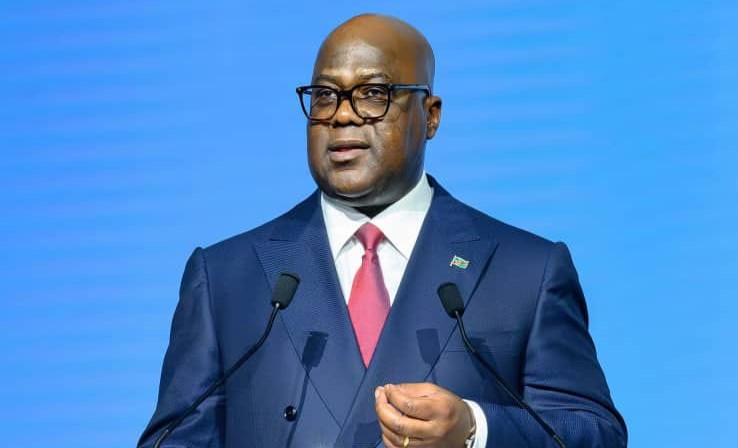
Addressing a gathering of African leaders, water experts, and international donors in N’Djamena, the President of the Democratic Republic of Congo outlined his nation’s ambitious plans to transform water access across the country. While highlighting the enormous water potential of the DR Congo, he emphasized the urgent need to convert this natural wealth into tangible benefits for every citizen.
Dual infrastructure goals: water, sanitation, and hygiene by 2035
Beyond expanding access to clean drinking water, Kinshasa is committing to raising sanitation and hygiene service coverage to 50% by the same milestone year. These twin objectives are designed not only to curb waterborne diseases but also to elevate living standards across urban and rural communities.
In parallel, the DR Congo government is prioritizing social infrastructure. By 2035, it aims to ensure that 80% of schools and health facilities have reliable water, sanitation, and hygiene services. This move seeks to create safer learning environments for children and improve health outcomes nationwide.
« Ensuring reliable water, sanitation, and hygiene services in 80% of schools and health centers is a national priority. These institutions are on the front lines of public health and education, and they demand our immediate attention, » the President stated.
Cross-sector collaboration: public, private, and international partnerships
To close the infrastructure gap, the Congolese government is rallying stakeholders from all sectors. A blended financing model—combining public funds, private investment, and international support—will drive the construction of water pipelines, treatment plants, and sanitation networks across the country.
Five pillars for Africa’s water future
The Congolese leader proposed a continental roadmap during his address:
- Policy integration: aligning national water strategies with regional frameworks to maximize impact and reduce duplication;
- Strong governance: building capable institutions that enforce transparency and accountability in water resource management;
- Project readiness: preparing technically robust and financially viable projects that attract private capital and development partners;
- Local industrialization: developing an African water industry to produce pipes, pumps, meters, treatment systems, irrigation tools, and digital solutions;
- Strategic planning: ensuring every project aligns with national development goals and continental priorities.
Building Africa’s water industry from the ground up
The President made a strong case for reducing reliance on imported water infrastructure. He called for the establishment of local manufacturing hubs capable of producing essential components—from water meters to irrigation pipelines—thereby spurring job creation and industrial growth. He stressed that such a strategy would not only secure water access but also anchor sustainable economic development on the continent.
Adequate planning and project bankability are central to this vision. Only well-structured initiatives with clear financial models and technical soundness can unlock the required investments and ensure long-term success.
The DR Congo’s water agenda reflects a broader continental shift: more access, stronger governance, and a homegrown industry ready to power Africa’s future.