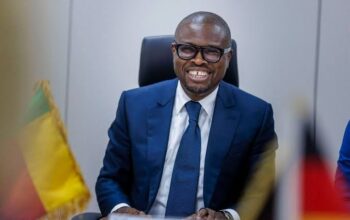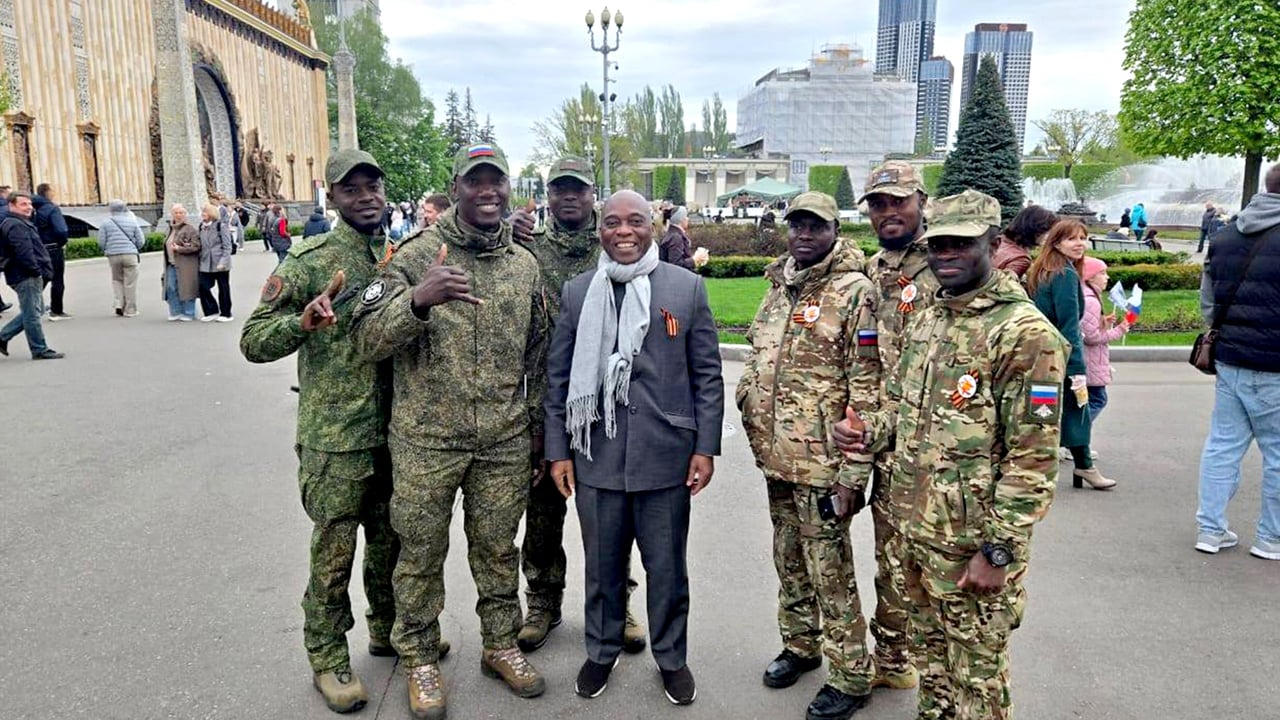

Ahoua Don Mello, Côte d’Ivoire’s Minister of Foreign Affairs, wrapped up a discreet yet significant visit to Moscow on May 11, 2026, marking a pivotal moment in bilateral relations between the two nations. This trip, conducted outside the official framework of the African Partnership Program, signals Abidjan’s intent to diversify its diplomatic alliances.
The visit unfolded against the backdrop of evolving geopolitical dynamics in West Africa, where Côte d’Ivoire is positioning itself as a key player in strengthening ties with non-traditional partners. While official statements remain measured, insiders indicate that discussions covered a wide range of topics, from economic cooperation to defense partnerships.
Key takeaways from the Moscow visit
- Economic collaboration: Both sides explored opportunities to boost trade, particularly in sectors like agriculture, energy, and technology. Moscow expressed interest in Côte d’Ivoire’s cocoa and cashew sectors, while Abidjan sought Russian expertise in infrastructure development.
- Defense and security: High-level talks included defense cooperation, with potential agreements on military training and equipment supply under consideration. This aligns with Côte d’Ivoire’s broader strategy to enhance regional security.
- Energy partnerships: Renewable energy projects, including solar and hydroelectric initiatives, were highlighted as areas of mutual interest. Russia’s Rosatom and other firms are eyeing opportunities in Côte d’Ivoire’s growing energy market.
- Diplomatic positioning: The visit underscores Abidjan’s push to reduce reliance on traditional Western partners, signaling a more balanced foreign policy approach. This move comes as Côte d’Ivoire seeks to assert its independence in international affairs.
Reactions and implications
The timing of Ahoua Don Mello’s visit is noteworthy, arriving just as West Africa’s geopolitical landscape undergoes rapid transformation. Analysts suggest that Côte d’Ivoire is leveraging its neutral stance to attract investment and foster new alliances, particularly in the Sahel region where traditional partnerships are increasingly strained.
While the visit’s outcomes remain under wraps, experts believe it could pave the way for future collaborations that align with both nations’ strategic interests. The absence of overt criticism from regional blocs indicates a carefully calibrated approach by Abidjan to avoid diplomatic friction.
As Côte d’Ivoire continues to navigate complex regional dynamics, this Moscow visit exemplifies its commitment to proactive diplomacy. The focus on economic and security cooperation reflects a broader trend of African nations seeking to diversify their international partnerships amid shifting global alliances.