The Nigerien military command’s recent decision to split Operation Garkoi into two new tactical headquarters—Operation Akarasse along the Algerian border and Operation Klafoki along the Chad frontier—has ignited sharp debate among Sahel governance and security analysts. While official statements highlight a push for “efficiency” and “coordination,” critics argue the move reflects an expensive bureaucratic maneuver rather than genuine strategic improvement.
Costly restructuring amid social hardship
Critics warn that the creation of two parallel command structures comes with a steep financial and ethical price. The deployment of additional high-ranking officers, detachment leaders, and supporting personnel raises concerns about misplaced priorities in a nation grappling with severe economic challenges.
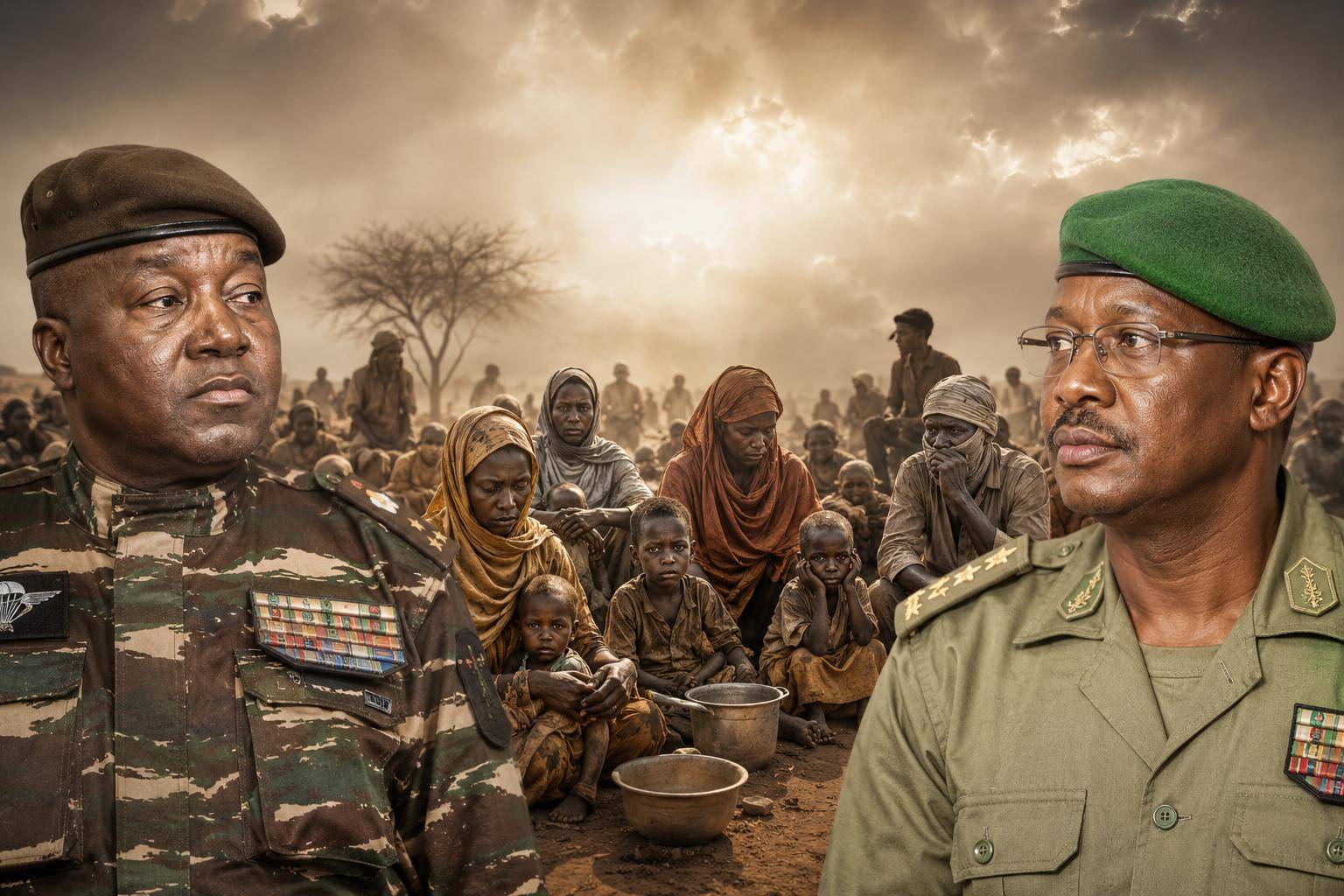
As the military prepares to fund and maintain two full-fledged headquarters in Bilma and Arlit, ordinary Nigeriens face worsening hardship. The contrast is glaring: while military elites receive new privileges, essential public servants—such as thousands of unpaid contract teachers—struggle in poverty. Redirecting scarce resources to create opulent command centers while neglecting core social services is widely condemned as a reckless misuse of public funds.
Army stretched thin by escalating threats
The restructuring also reveals a deeper military dilemma. If the situation were manageable, the existing command structure would have sufficed. The decision to establish two highly specialized frontline headquarters signals that terrorist groups—including affiliates of Al-Qaeda, the Islamic State, and Boko Haram—have overwhelmed centralized defenses. The army’s fragmentation to cover two distant borders underscores the widening and intensifying security crisis gripping the nation.
Rather than a bold offensive strategy, the launch of Operations Akarasse and Klafoki appears as a costly emergency response—one that burdens taxpayers, neglects social needs, and exposes the military’s growing vulnerabilities.