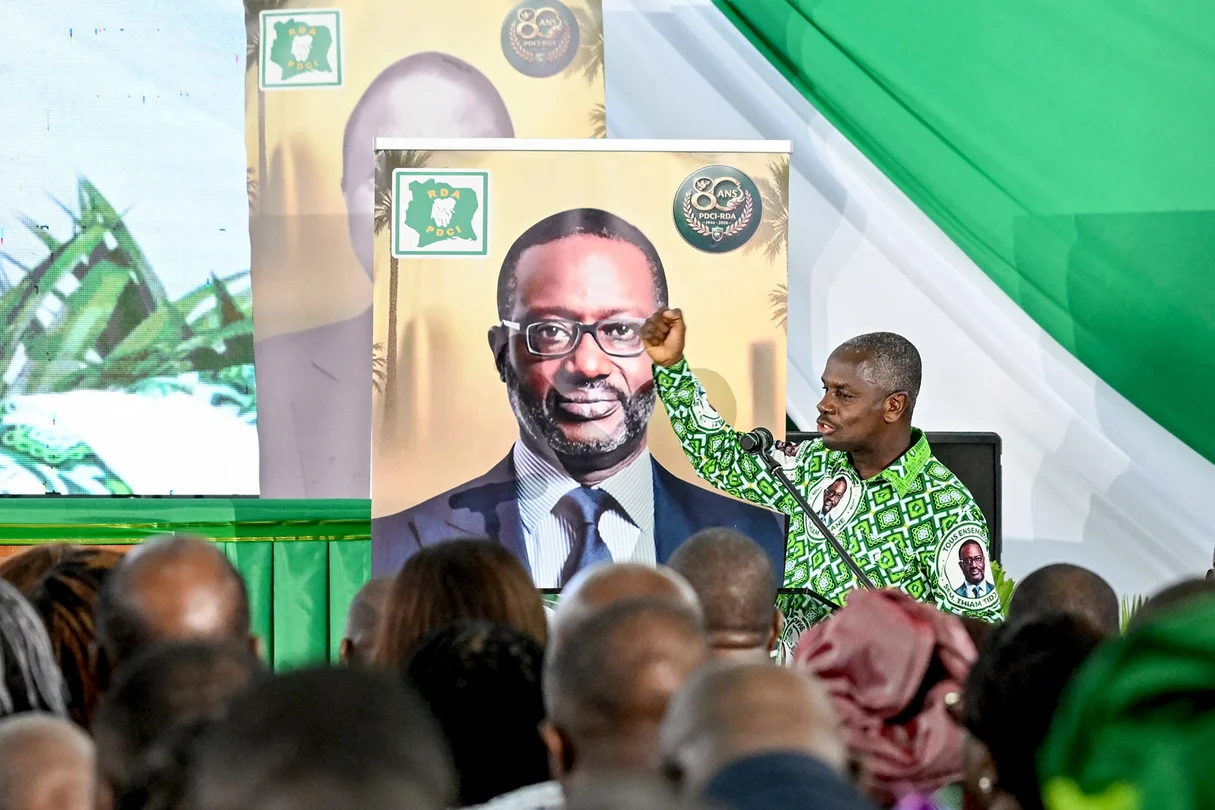
The political landscape in Côte d’Ivoire is heating up as RHDP’s maneuvers spark fresh controversy within the ranks of the Democratic Party of Côte d’Ivoire (PDCI), led by Tidjane Thiam. Recent developments reveal behind-the-scenes negotiations that threaten to reshape the party’s internal dynamics, raising eyebrows among veteran members and supporters alike.
Internal party turmoil and power struggles
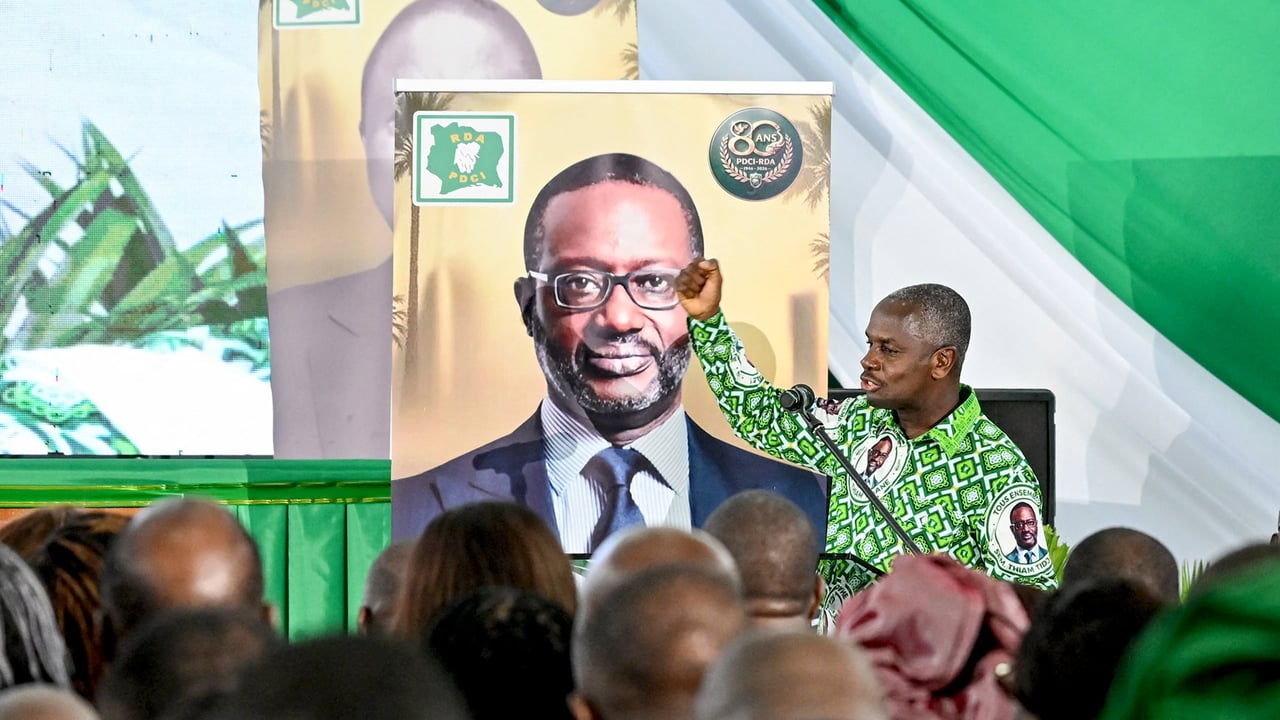
At the heart of the issue lies a growing divide between traditional PDCI loyalists and a faction allegedly open to alliances with the governing coalition. Sources close to the situation describe secret discussions that could lead to a major shift in the party’s strategy ahead of upcoming elections. The tension has intensified following the PDCI’s 80th anniversary celebrations, where high-ranking officials including Calice Yapo Yapo, the party’s executive secretary, made veiled references to the need for unity.
Key figures under pressure
Tidjane Thiam, the PDCI’s leader, finds himself navigating a delicate balancing act. While some party members advocate for a more confrontational stance against the RHDP, others are pushing for pragmatic cooperation. The divide has exposed vulnerabilities within the party’s leadership, with whispers of dissatisfaction among grassroots activists who feel sidelined in decision-making processes.
Observers note that the RHDP’s calculated outreach has succeeded in luring some PDCI members into informal discussions, further straining the party’s cohesion. The situation is further complicated by the lack of a clear succession plan within the PDCI, leaving many to question the party’s future direction.
Implications for Côte d’Ivoire’s political future
The unfolding drama carries significant consequences for Côte d’Ivoire’s political future. Should the PDCI fracture, it could undermine the opposition’s unity ahead of critical electoral contests. Meanwhile, the RHDP appears to be capitalizing on the internal strife, positioning itself as a stable alternative in the eyes of voters.
As the debate rages on, party insiders remain tight-lipped about the next steps. What is clear, however, is that the PDCI faces a pivotal moment in determining whether it will hold firm to its traditional values or adapt to the changing political climate. One thing is certain: the choices made in the coming weeks will reverberate across the country’s political landscape for years to come.