The decision by the Kadiogo regional governor to shut down the main Sunni mosque in Ouagadougou has sent shockwaves through the nation, leaving many bewildered by what they see as a betrayal of trust. While the government once leaned heavily on religious communities to bolster its legitimacy, this abrupt reversal now risks deepening divisions in an already fragile political landscape.
When political alliances turn against their own supporters
On May 28, 2026, authorities sealed the doors of the capital’s largest Sunni mosque, citing concerns over “public order risks.” Though maintaining security is a core state responsibility, the timing of this move raises serious questions about the long-term strategy of Burkina Faso’s leaders toward those who once formed their strongest base of support.
A history of calculated religious leverage
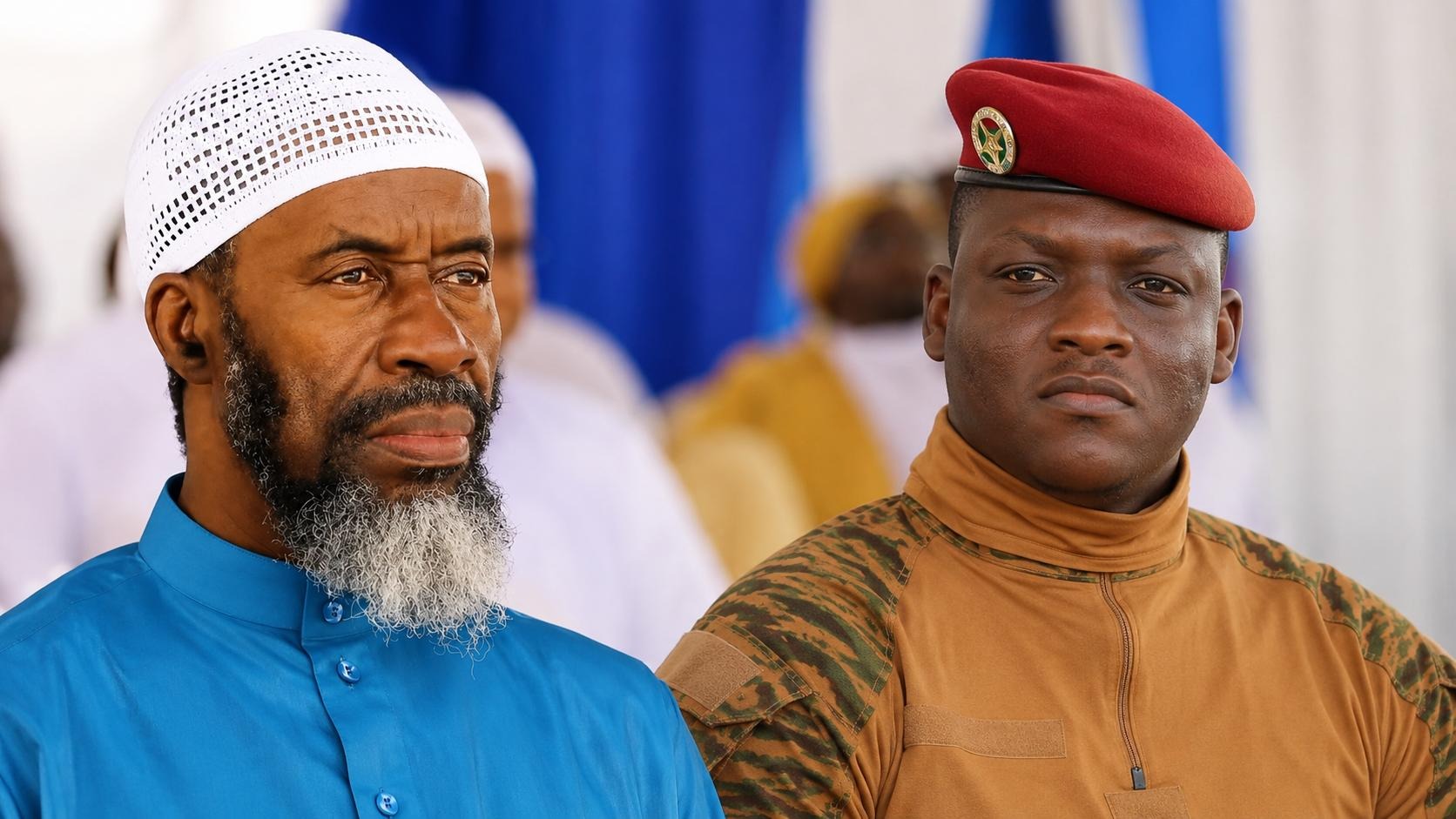
To understand the current fallout, one must revisit how religious and associative networks became central to the government’s rise to power. During periods of political transition, officials systematically cultivated relationships with influential faith-based groups, leveraging their organizational strength and moral authority. The Sunni movement, in particular, emerged as a key pillar of popular legitimacy, mobilizing citizens under the banner of faith and national unity.
What began as a strategic alliance—where sacred spaces doubled as political rallying points—has now culminated in a bitter irony: the very places that amplified the government’s message are being shut down at the first sign of dissent. For a population that believed they were defending their nation, the closure feels less like governance and more like abandonment.
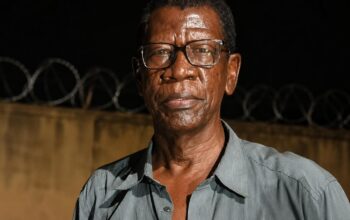
“To weaponize faith for political gain, only to criminalize it when inconvenient, is a miscalculation Burkina Faso can ill afford,” remarked a community elder who requested anonymity.
A risky move in a nation on the edge
Burkina Faso faces a multi-layered crisis where social cohesion is the last line of defense against further instability. In such a climate, targeting a major religious constituency is not just unwise—it is dangerously provocative. Rather than easing tensions, the abrupt closure risks radicalizing grievances, breeding resentment, and pushing dissent underground, where it becomes far harder to manage.
The haste behind this administrative decision reveals a troubling lack of foresight regarding the nation’s delicate social fabric. When a government severs ties with the very communities that once anchored its support, it does more than punish dissent—it erodes the trust needed to govern effectively.
Repression or reconciliation: which path will the state choose?
The law must prevail, but justice loses its moral authority when applied selectively against those who once believed in inclusive leadership. Burkina Faso’s leaders would do well to remember: stability is not achieved through the closure of houses of worship, but through honest, inclusive dialogue with those who shape public opinion.
Doubling down on repression risks alienating a critical constituency and reinforcing perceptions of political opportunism. The government must suspend this decree immediately and prioritize negotiation before the rift between religious communities and the state becomes irreversible.